

As expectant parents, the world of baby gear can feel overwhelming. Among all the essentials, the stroller often sparks the most questions. It’s more than just wheels; it’s your child’s first ride, your trusty companion for errands, and a key to getting out and about. Choosing the right one means considering your family’s unique rhythm and needs. This guide will help you confidently select the perfect set of wheels for your little one.
Who a Stroller Helps
A good stroller is a game-changer for almost every parent. It provides a safe, comfortable, and convenient way to transport your baby or toddler, whether you’re strolling through the park, tackling grocery runs, or simply taking a neighborhood walk. For newborns, a lie-flat option or car seat compatibility means you can keep them snug and secure. As they grow, it offers a secure spot for naps on the go and a front-row seat to the world.
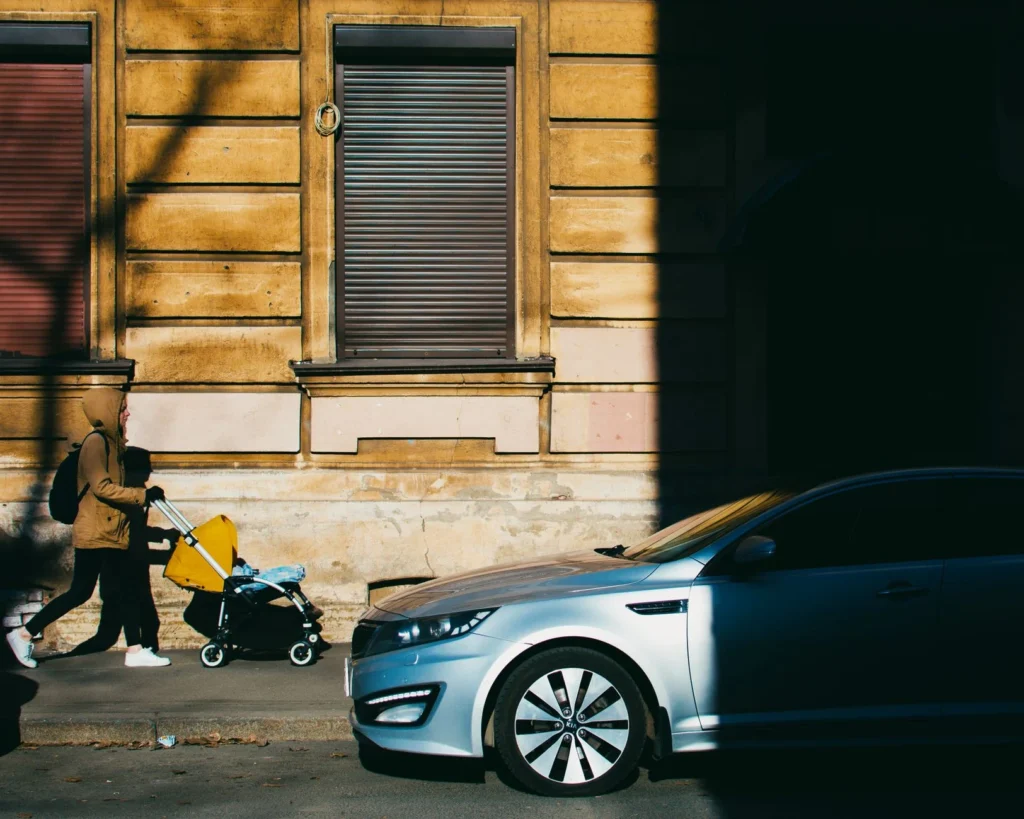
It also gives parents freedom. Imagine a coffee break with baby sleeping soundly beside you, or a brisk walk to clear your head. A stroller makes these moments possible and keeps your hands free when you need them most.
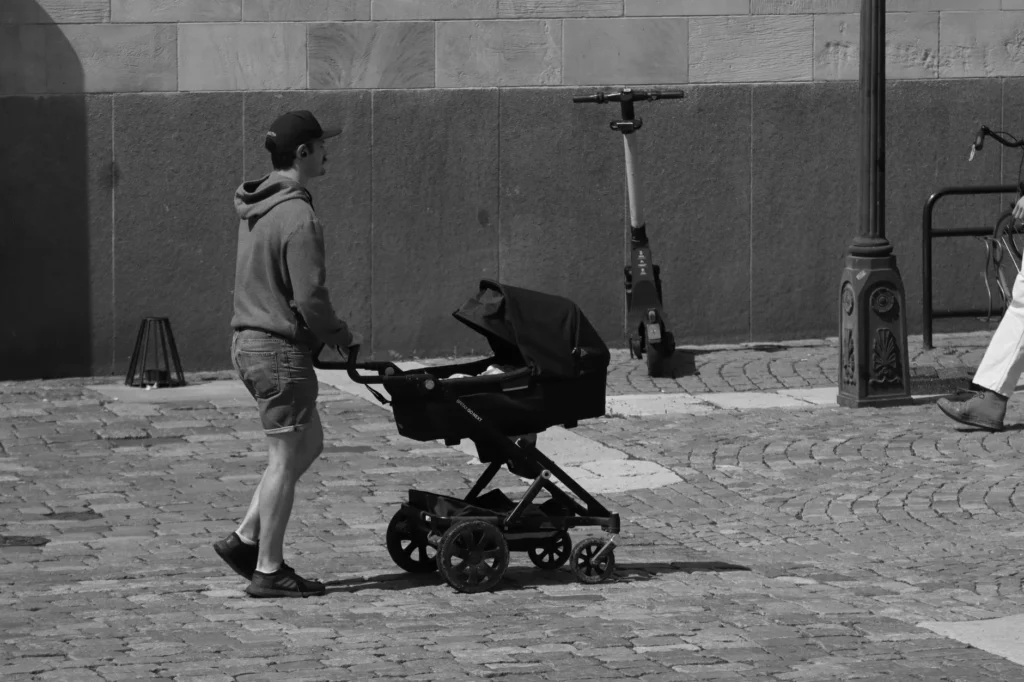
Key Criteria for Choosing Your Stroller
Before you fall in love with a particular model, think about how you’ll use it most. This will narrow down your options significantly.

Your Lifestyle Matters
- City Dweller or Suburban Explorer? If you’re navigating busy sidewalks and public transport, a lightweight, compact, and nimble stroller is often best. For suburban life with more car trips, a sturdier full-size stroller with a larger basket might be ideal.
- Active Family? If jogging or tackling varied terrain is part of your routine, a dedicated jogging stroller with robust suspension and air-filled tires will be essential for both your comfort and baby’s.
- Frequent Traveler? An ultra-compact travel stroller that fits into overhead bins can be a lifesaver for airport dashes and trips abroad.
Types of Strollers to Consider
- Full-Size Strollers: Often robust, feature-rich, and durable. They come with good suspension, ample storage, and comfortable seats. Many can be adapted for newborns with bassinets or car seats.
- Travel Systems: A car seat that clicks directly onto a stroller frame. This is incredibly convenient for newborns as you can move a sleeping baby from car to stroller seamlessly.
- Lightweight/Umbrella Strollers: Great for quick trips, travel, and older babies (usually 6+ months) who have good head and neck control. They typically fold compactly but offer fewer features.
- Jogging Strollers: Designed for active parents, these have three large, often air-filled, wheels and superior suspension for a smooth ride on uneven surfaces. They are generally not suitable for newborns unless specifically designed to accept a car seat.
- Double Strollers: Essential for twins or siblings close in age. They come in tandem (front-to-back) or side-by-side configurations.
- Convertible Strollers: These versatile options can adapt from a single stroller to a double as your family grows, often by adding a second seat or a ride-on board.
Important Features to Look For
- Recline Options: Essential for newborns who need to lie flat, and for older babies needing naps on the go. Look for multiple recline positions.
- Canopy: A large, extendable canopy offers crucial protection from sun, wind, and light rain. Look for peek-a-boo windows too.
- Storage Basket: A spacious, easily accessible basket underneath is invaluable for diaper bags, groceries, and other essentials.
- Wheels and Suspension: Air-filled tires offer the smoothest ride, while solid rubber or plastic wheels are low-maintenance. Good suspension absorbs bumps, making the ride more comfortable for your baby.
- Handlebar: Adjustable handlebars accommodate parents of different heights, making pushing more comfortable.
- Fold Mechanism: A one-hand, compact fold is a huge plus for busy parents. Test it out!
- Fabric and Cleaning: Removable, machine-washable fabrics are a dream for inevitable spills and messes.
Budget Considerations
Strollers vary widely in price. Decide what you can comfortably spend, keeping in mind that a higher price doesn’t always mean it’s the best fit for your family. There are excellent, safe, and feature-rich options at various price points.
Safety Checklist
Safety is paramount when choosing any baby gear. Always prioritize these points:
- Harness System: A five-point harness is crucial. It secures your baby at the shoulders, hips, and between the legs, preventing them from wiggling out or falling.
- Brakes: Ensure the brakes are easy to engage and disengage, and that they securely lock the wheels. Test them on a slight incline if possible.
- Stability: The stroller should feel sturdy and not tip easily, especially when turning or with a child inside.
- Pinch Points: Check for any exposed mechanisms where tiny fingers could get caught, especially during folding or adjusting.
- Certifications: Look for safety certifications, such as those from the Juvenile Products Manufacturers Association (JPMA) in North America, or European safety standards (EN 1888).
- Weight Limits: Always adhere to the manufacturer’s specified weight and age limits for the seat and storage basket.
- Recalls: Before purchasing, quickly check for any recent recalls on the model you’re considering.
General Information Only: This guide provides general information and is not a substitute for professional medical advice or safety inspections. Always consult the manufacturer’s manual for specific instructions and warnings.
Care and Cleaning for Your Stroller
Keeping your stroller clean not only looks good but also extends its life and keeps it hygienic for your little one.
- Spot Cleaning: For small spills, a damp cloth with mild soap is usually sufficient.
- Fabric Care: If seat fabrics are removable, follow the washing instructions on the label. Many are machine washable on a gentle cycle.
- Frame: Wipe down the frame regularly with a damp cloth to remove dirt and grime.
- Wheels: Periodically check wheels for debris and ensure they spin freely. Lubricate axles if needed, as recommended by the manufacturer.
- Storage: Store your stroller in a dry place to prevent rust or mildew.
Frequently Asked Questions About Strollers
- Can a newborn ride in any stroller?
- No. Newborns need a stroller that allows them to lie completely flat or that can securely accommodate an infant car seat or bassinet attachment. This supports their developing neck and spine. Always check the stroller’s age recommendations.
- Do I need more than one stroller?
- Many families find that one versatile full-size stroller meets most of their needs. However, some prefer to have a compact, lightweight umbrella stroller for travel or quick errands once their baby is older and has good head control. It really depends on your lifestyle.
- How long do children typically use a stroller?
- Most children use a stroller regularly until around age three or four. After that, it might be reserved for longer outings or when they get tired. Always check the maximum weight capacity of your stroller.
Images sourced from Pexels.