
Finding the right shoe size for your little one can feel like a puzzle. Baby feet grow incredibly fast, and what fit perfectly last month might be too snug today! Proper fitting shoes are essential for healthy foot development, comfort, and safety as your baby explores their world, whether they’re just cruising or taking their first confident steps.
Why the Right Fit Matters
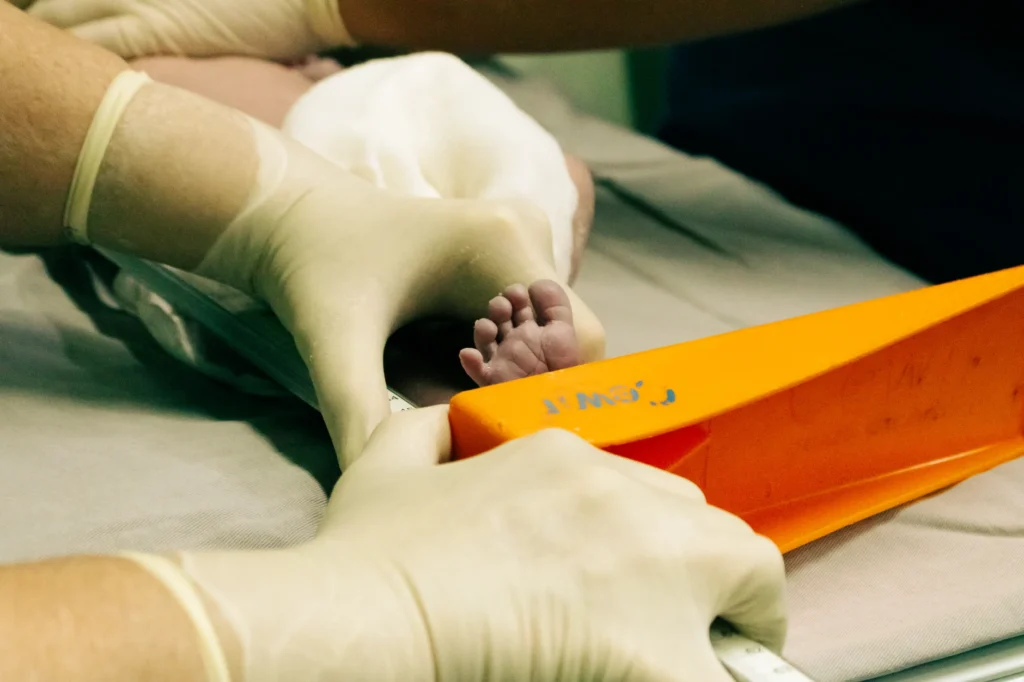
Those tiny feet are still forming, with soft bones and cartilage that can be easily affected by ill-fitting footwear. Shoes that are too small can restrict growth and cause discomfort, while overly large shoes can lead to tripping, awkward walking, or blisters. A well-fitting shoe supports natural movement, protects their feet, and helps them build confidence in their early walking adventures.
| Foot Length (cm) | US Size | UK Size | EU Size |
|---|---|---|---|
| 9.5 – 10.0 | 3 | 2.5 | 18 |
| 10.1 – 10.5 | 3.5 | 3 | 19 |
| 10.6 – 11.0 | 4 | 3.5 | 20 |
| 11.1 – 11.5 | 4.5 | 4 | 21 |
| 11.6 – 12.0 | 5 | 4.5 | 22 |
| 12.1 – 12.5 | 5.5 | 5 | 22.5 |
| 12.6 – 13.0 | 6 | 5.5 | 23 |
| 13.1 – 13.5 | 6.5 | 6 | 24 |
| 13.6 – 14.0 | 7 | 6.5 | 25 |
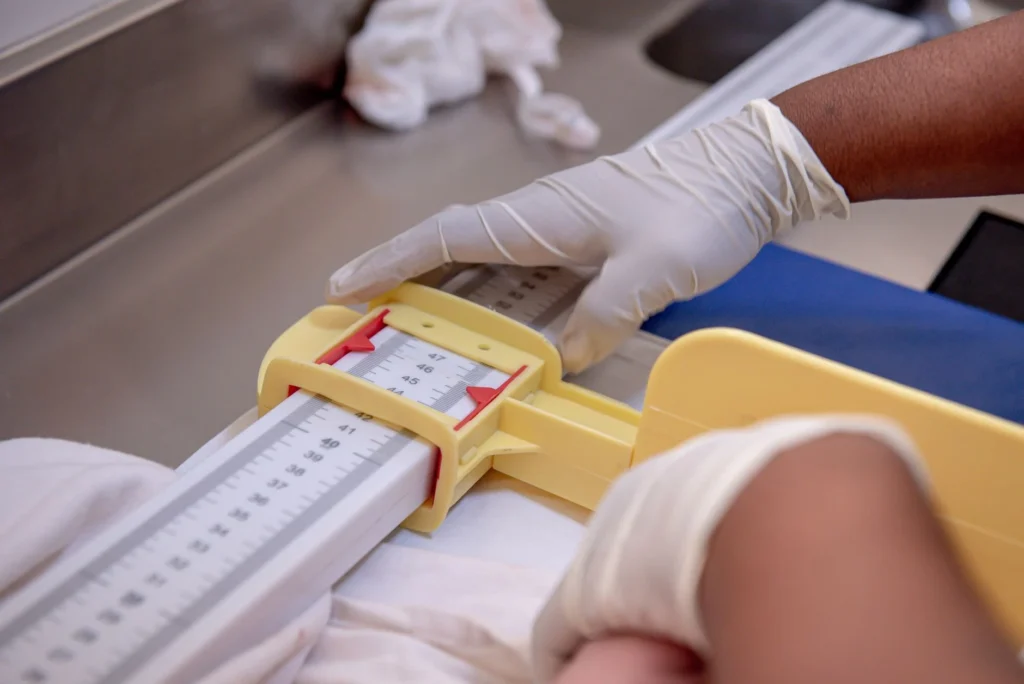
How to Measure Little Feet at Home
You don’t need fancy equipment to measure your baby’s foot. A simple setup at home works wonders. Aim to measure their feet every 2-3 months, especially during growth spurts.
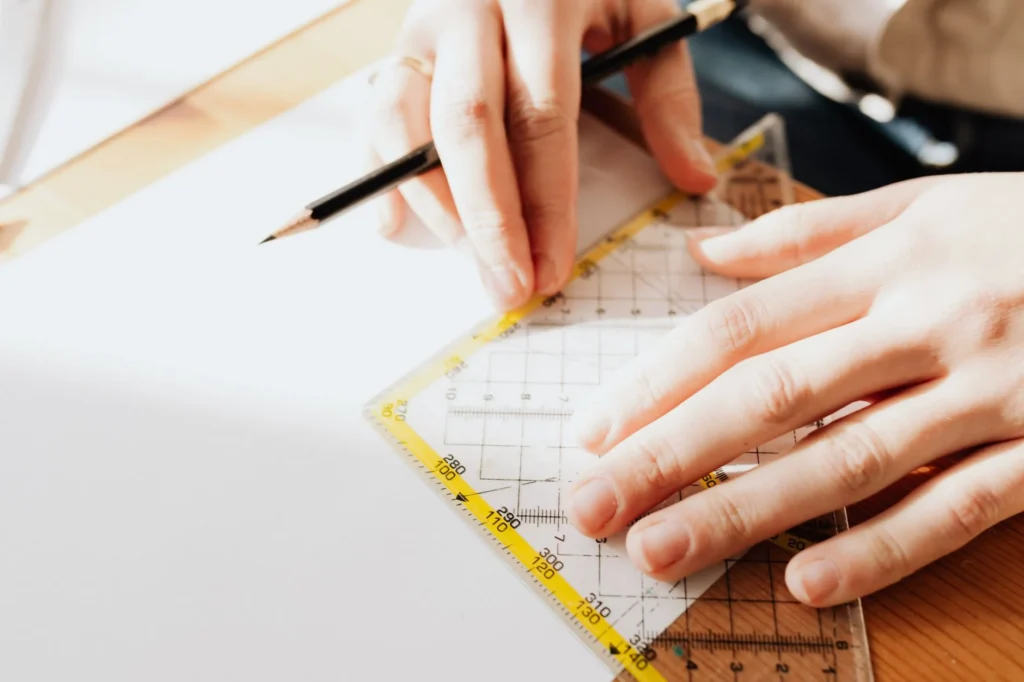
- Gather Your Tools: You’ll need a piece of paper, a pen or pencil, and a ruler.
- Position Their Foot: Have your baby stand (or sit with their foot flat) on the piece of paper. Make sure their weight is evenly distributed for an accurate measurement. If they’re not standing yet, gently press their foot flat onto the paper.
- Mark the Outlines: Carefully mark at the longest toe and the back of the heel. Keep the pen straight up and down, not angled.
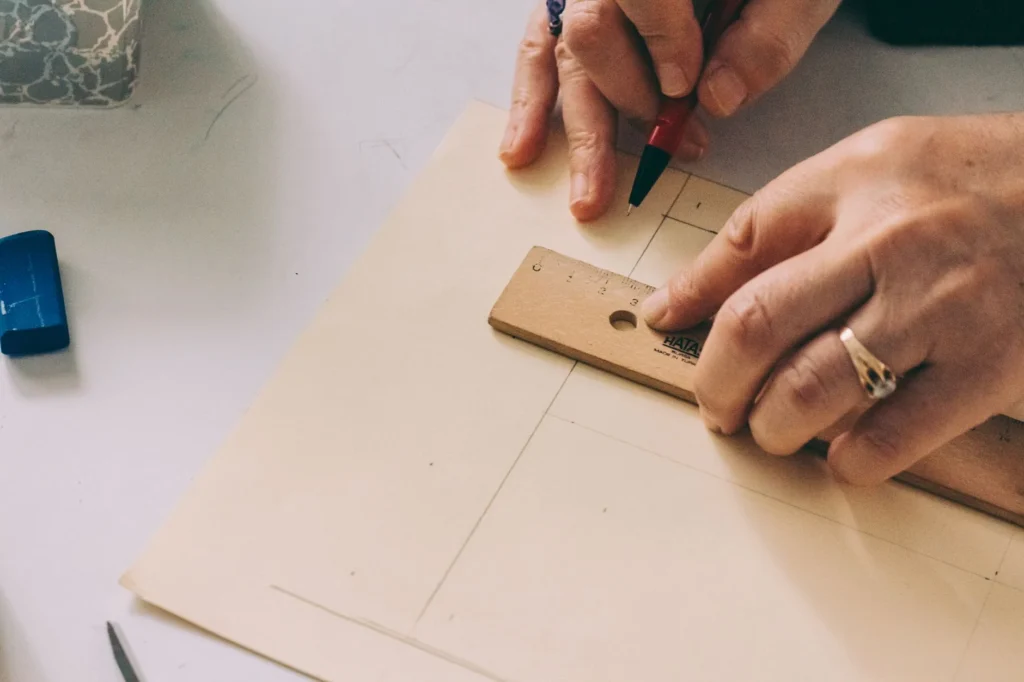
- Measure the Length: Use your ruler to measure the distance between the two marks in centimeters. This is your baby’s foot length.
- Add Wiggle Room: For comfort and growth, add about 0.5 to 1 cm (about 0.2 to 0.4 inches) to this measurement. This extra space allows for natural foot movement and sock thickness.
- Measure Both Feet: It’s common for one foot to be slightly larger than the other. Always measure both feet and use the measurement from the larger foot when choosing a size.
Baby Shoe Size Chart
Use the adjusted foot length (with wiggle room added) to find the approximate shoe size in different sizing systems. Remember, this is a general guide; brands can vary slightly, so always check their specific size charts if available.
Common Mistakes When Buying Baby Shoes
Even with the best intentions, it’s easy to make a few common errors when shoe shopping for little ones:
- Skipping Regular Measurements: Baby feet don’t just grow; they change shape! Regular measurements ensure you’re always up to date.
- Buying Too Big (or Too Small): While adding wiggle room is good, going too far can make shoes clumsy. Too small, of course, causes pain and potential damage.
- Not Checking Both Shoes: Always try on both shoes and check the fit. Sometimes one foot is slightly larger, and you want to accommodate that.
- Relying on Age-Based Sizing: Age is just a number. Foot size varies greatly among children of the same age. Always measure!
- Forgetting About Socks: If your baby wears thick socks, measure their foot while wearing them, or account for the extra space.
- Ignoring Their Feedback: If your child is walking and keeps trying to kick off their shoes, or seems uncomfortable, listen to their cues.
Choosing the right shoes for your baby is a step towards ensuring their comfort and healthy development. If you ever notice persistent redness, blisters, or your child consistently refuses to wear shoes, it’s always wise to chat with their pediatrician. This information is for general guidance and not a substitute for professional medical advice.
Images sourced from Pexels.