
The journey through toddlerhood is a vibrant one, filled with exciting new skills and growing independence. Around 18 months, your little one is likely exploring the world with increasing curiosity and developing at an incredible pace. Let’s dive into what you might observe and how to support their wonderful growth.
Every child follows their own unique timeline, but there are some common milestones that often emerge around this age. It’s truly amazing to witness the leaps in development your toddler makes!

Please note: The information provided here is for general knowledge and informational purposes only, and does not constitute medical advice. Always consult with a qualified healthcare professional for any health concerns or before making any decisions related to your child’s health or treatment.
What Changes Now? Understanding Your Toddler’s Growth
Cognitive & Language Development
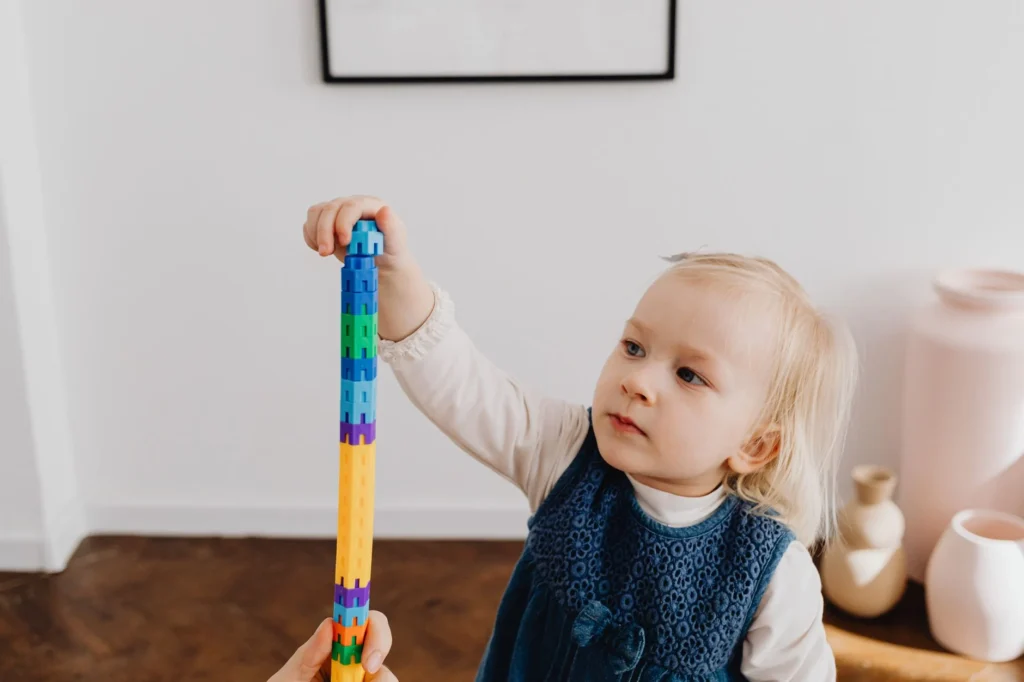
Your toddler’s brain is a busy place, absorbing so much! They might start to imitate actions and words they hear, understand simple instructions (like ‘give me the ball’), and point to familiar objects or body parts when asked. You’ll likely hear a vocabulary growing to around 10-20 words, with some toddlers even starting to combine two words, like ‘more juice’ or ‘daddy up’. Reading together and narrating your day can really boost their language skills.
Social-Emotional Growth
At this stage, toddlers are learning about emotions and their place in the family. They might show affection, enjoy playing near other children (even if not yet with them – this is called parallel play), and show increasing independence. Temper tantrums can also become more common as they learn to express big feelings and desires. Offering choices and setting clear, consistent boundaries can be helpful.
Motor Skills
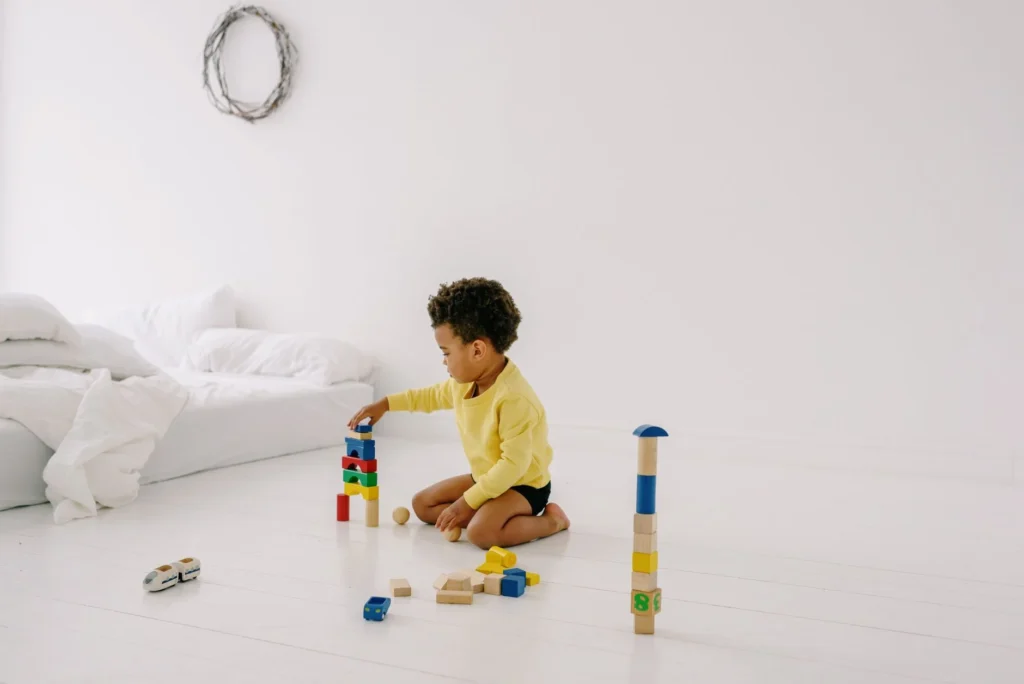
Get ready for lots of movement! Most toddlers are walking confidently, and some might even be running, climbing on furniture, or attempting to climb stairs with assistance. They’re also improving their fine motor skills, like scribbling with crayons, building towers with a few blocks, or feeding themselves with a spoon. Encourage active play both indoors and out!
Red Flags: If you notice your toddler isn’t walking independently, isn’t imitating sounds or actions, doesn’t point to things, or seems to lose skills they once had, it’s always a good idea to chat with your healthcare professional. They can offer personalized advice and support.
Around this age, most toddlers need about 11-14 hours of sleep total within a 24-hour period, often split between one longer nap during the day and a solid night’s sleep. Some toddlers might resist naps, but they still need that downtime! A consistent bedtime routine remains key for signaling to their body that it’s time to wind down. Think warm bath, quiet play, a book, and then bed. If sleep challenges arise, consider looking at their daily schedule and environment to ensure it’s conducive to restful sleep.
Feeding: Healthy Habits and Picky Eaters
Toddlers are often enthusiastic about feeding themselves, even if it gets a little messy! Offer a variety of healthy foods from all food groups, cut into small, manageable pieces to prevent choking. It’s common for toddlers to become a bit pickier around this time, so don’t get discouraged. Keep offering new foods alongside familiar favorites, and try to make mealtimes a positive experience. Remember, their appetite can fluctuate day to day.
Important Feeding Safety Notes:
- Honey: Never give honey to children under one year old due to the risk of infant botulism.
- Added Salt & Sugar: It’s best to avoid adding extra salt or sugar to your toddler’s meals. Their developing kidneys and taste buds don’t need it.
- Allergies: When introducing new foods, especially common allergens, offer them one at a time and watch for any reactions. If you have concerns about food allergies, speak with your healthcare provider.
Play & Development: Fun Ways to Learn and Grow
Play is how toddlers learn about the world! Provide opportunities for both independent exploration and guided play. Simple toys like blocks, stackable cups, push-and-pull toys, and picture books are fantastic. They love to imitate, so involve them in simple household tasks like ‘helping’ to put away laundry or sweeping. Outdoor play is also essential for gross motor skill development and experiencing different textures and environments.
Engaging Play Ideas:
- Building & Stacking: Blocks, large LEGO DUPLOs, or even empty cardboard boxes.
- Imaginative Play: Provide play food, toy animals, or dolls. They’ll start to mimic everyday actions like talking on the phone or feeding a baby.
- Reading: Point to pictures, name objects, and let them turn pages. Board books are perfect for little hands.
- Music & Movement: Dance to music, sing nursery rhymes, and play simple instruments.
- Outdoor Adventures: Walks in the park, playing with sand or water (under supervision), chasing bubbles.
Practical Tips for Parents
Parenting a toddler is a whirlwind, and a little planning can go a long way.
- Routine is Your Friend: While flexibility is good, a predictable daily routine helps toddlers feel secure and understand what’s coming next.
- Embrace Independence: Encourage self-feeding, choosing clothes (within limits), and helping with simple tasks. This fosters their growing autonomy.
- Taming Tantrums: When big emotions hit, try to stay calm. Acknowledge their feelings, offer comfort, and if safe, let them process it. Distraction or a change of scenery can also work wonders.
- Prioritize Self-Care: Remember, you can’t pour from an empty cup. Find small moments for yourself to recharge, even if it’s just a few minutes of quiet.
Frequently Asked Questions
Q: How can I encourage my toddler to talk more?
A: Talk to them constantly, narrate your day, read books together, sing songs, and respond enthusiastically to their attempts to communicate. Give them time to respond and avoid anticipating their needs too quickly.
Q: What if my toddler is a very picky eater?
A: Offer a variety of foods, but don’t force them to eat. Keep mealtimes positive and avoid using food as a reward or punishment. It can take many exposures to a new food before a toddler accepts it. Always consult with your pediatrician if you have concerns about their nutrition or growth.
Q: Is it normal for toddlers to have temper tantrums?
A: Yes, absolutely. Tantrums are a normal part of toddler development as they learn to manage big emotions and assert their independence without yet having the language skills to express themselves fully. Consistency, patience, and redirection can help.
Images sourced from Pexels.