
Around 28 weeks (or roughly 6-7 months), many babies are ready to start exploring solid foods. This is a crucial time because your baby’s natural iron stores, built up during pregnancy, begin to deplete. Breast milk and formula continue to be important, but introducing iron-rich foods helps meet their increasing needs for growth and development.
Why Iron Matters for Your Growing Baby
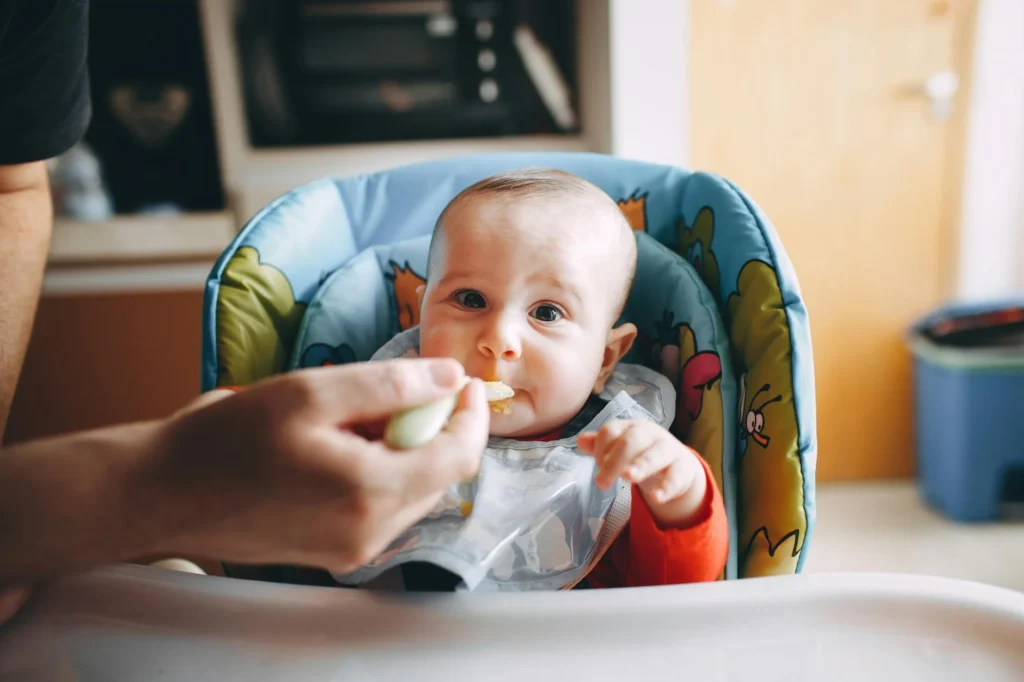
Iron is a superstar nutrient for infants. It’s essential for carrying oxygen throughout the body, supporting brain development, and helping your baby’s immune system work properly. A lack of iron can lead to iron deficiency anemia, which can affect energy levels and cognitive development.
While iron-fortified formula contains sufficient iron, and breastfed babies receive some iron from breast milk, introducing iron-rich solids around this age ensures they get enough of this vital mineral as they grow.
When to Introduce Solids & Iron
Most babies show signs of readiness for solids between 4 and 6 months. These signs include good head control, sitting up with support, showing interest in food, and losing the tongue-thrust reflex. Always consult your pediatrician before starting solids to ensure your baby is ready.
Once you get the green light, iron-rich foods are often recommended as some of the first choices.
Easy Iron-Rich First Foods for Your Little One
Introducing new flavors and textures can be an exciting journey! Remember to offer new foods one at a time and wait a few days before introducing another to easily identify any potential allergies.
1. Iron-Fortified Infant Cereals
- What it is: Rice or oat infant cereal fortified with iron.
- How to serve: Mix with breast milk or formula to a smooth, thin consistency. As your baby gets used to it, you can gradually thicken it.
- Tip: These are often recommended as first foods due to their easily digestible nature and high iron content.
2. Pureed Meats & Poultry
- What it is: Beef, chicken, or lamb are excellent sources of heme iron, which is easily absorbed by the body.
- How to serve: Cook meat until very tender, then puree it to a smooth consistency with a little breast milk, formula, or cooking water. Start with small amounts.
- Tip: Don’t be afraid to introduce meats early; they are packed with essential nutrients.
3. Pureed Legumes
- What it is: Lentils, black beans, or chickpeas. These are non-heme iron sources.
- How to serve: Cook thoroughly until very soft, then puree until completely smooth, removing any skins. Mix with a little breast milk, formula, or water.
- Tip: Pair with a Vitamin C-rich food (like pureed sweet potato or berries) to boost iron absorption.
4. Pureed Dark Leafy Greens
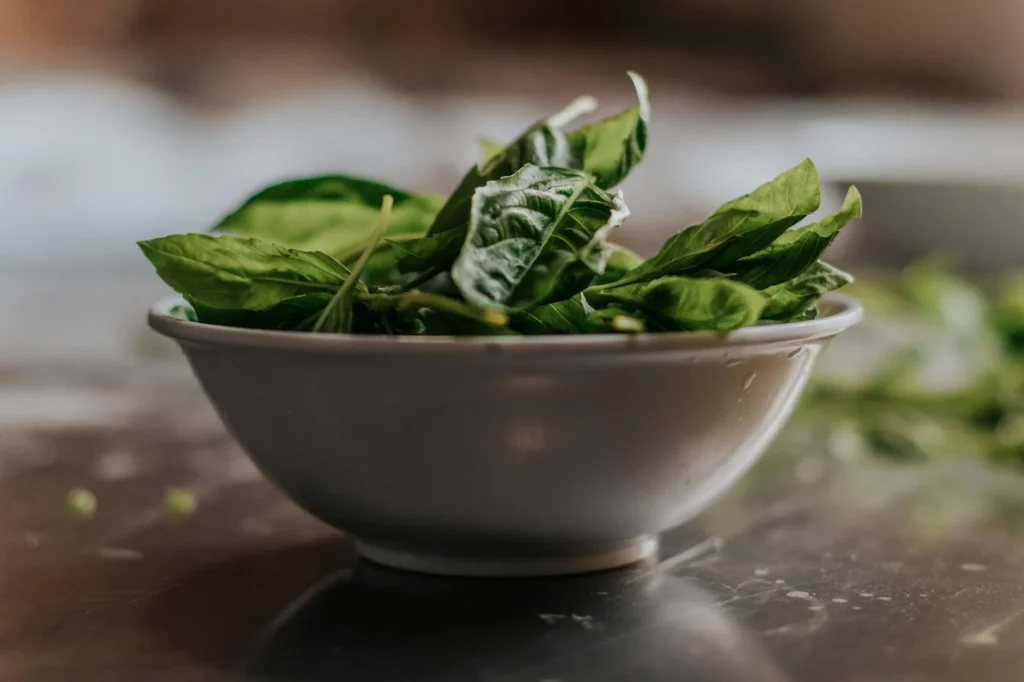
- What it is: Spinach or kale. Another non-heme iron source.
- How to serve: Steam or boil until very soft, then puree to a fine consistency. These can be strong in flavor, so try mixing a small amount with a sweeter puree like sweet potato or apple.
- Tip: Always cook leafy greens for babies; raw greens are too fibrous and difficult to digest.
5. Other Iron-Rich Veggies & Fruits (with Vitamin C!)
- What it is: While not as high in iron as meats or fortified cereals, certain vegetables like broccoli, and fruits like berries, bell peppers, and citrus (once introduced and tolerated), offer good amounts of Vitamin C.
- How to serve: Puree cooked broccoli or soft berries.
- Tip: Serving these alongside non-heme iron sources (like lentils or spinach) significantly increases iron absorption.
Tips for Serving Iron-Rich Foods
- Start Small: Offer just a teaspoon or two at first.
- Consistency is Key: Ensure all foods are pureed very smoothly to avoid choking hazards.
- Mix and Match: Combine different textures and flavors as your baby gets more experienced.
- Keep it Fun: Meal times are for exploration and bonding, not stress.
- Follow Cues: Pay attention to your baby’s hunger and fullness cues.
Important Safety Notes for Baby Feeding
- No Honey Under One: Never give honey to a baby under one year old due to the risk of infant botulism.
- Avoid Added Salt & Sugar: Babies do not need added salt or sugar in their food. Their kidneys aren’t fully developed to handle excess salt, and sugar offers no nutritional benefit.
- Allergies: Introduce new foods one at a time and wait a few days (3-5 is common advice) before introducing another to easily identify potential reactions. Watch for signs like hives, swelling, difficulty breathing, or severe vomiting/diarrhea.
- Choking Hazards: Always supervise your baby during meal times. Ensure all foods are prepared to an appropriate consistency for their age and developmental stage.
When to Talk to Your Doctor
It’s always a good idea to discuss your baby’s feeding plan with your pediatrician. Contact your doctor if you have concerns about your baby’s iron intake, if they show signs of an allergic reaction, experience persistent feeding difficulties, or if you notice any changes in their appetite or behavior around food.
A Quick Word on Health Information
The information provided here is for general knowledge and informational purposes only, and does not constitute medical advice. It is essential to consult with a qualified healthcare professional, such as your pediatrician, for any health concerns or before making any decisions related to your baby’s diet and health.
Note: Totals vary by provider, region, and part quality.
Images sourced from Pexels.