
Setting the Stage for Successful Mealtimes: High Chair Posture Basics
Creating a comfortable and supportive environment for your baby during mealtimes is more than just about having the right food. It’s also about how they sit! Proper high chair posture, especially footrest adjustment, plays a surprisingly big role in your little one’s feeding journey and overall comfort.
Why Good Posture in a High Chair Matters
Imagine trying to eat a meal while dangling your feet or slouching. It’s not comfortable, right? The same goes for babies. A good seated position provides stability and control, which are vital for a few reasons:

- Safety: A secure and upright position reduces the risk of choking and helps your baby manage food more effectively.
- Self-Feeding Skills: When stable, babies have better core control and can focus on bringing food to their mouth, developing fine motor skills and independence.
- Digestion: An upright posture can aid digestion and reduce discomfort.
- Engagement: A comfortable baby is a more engaged eater, making mealtimes more pleasant for everyone.
Key Adjustments for Optimal High Chair Posture
Most modern high chairs offer several adjustments, and knowing how to use them can make a big difference.
The Crucial Role of the Footrest
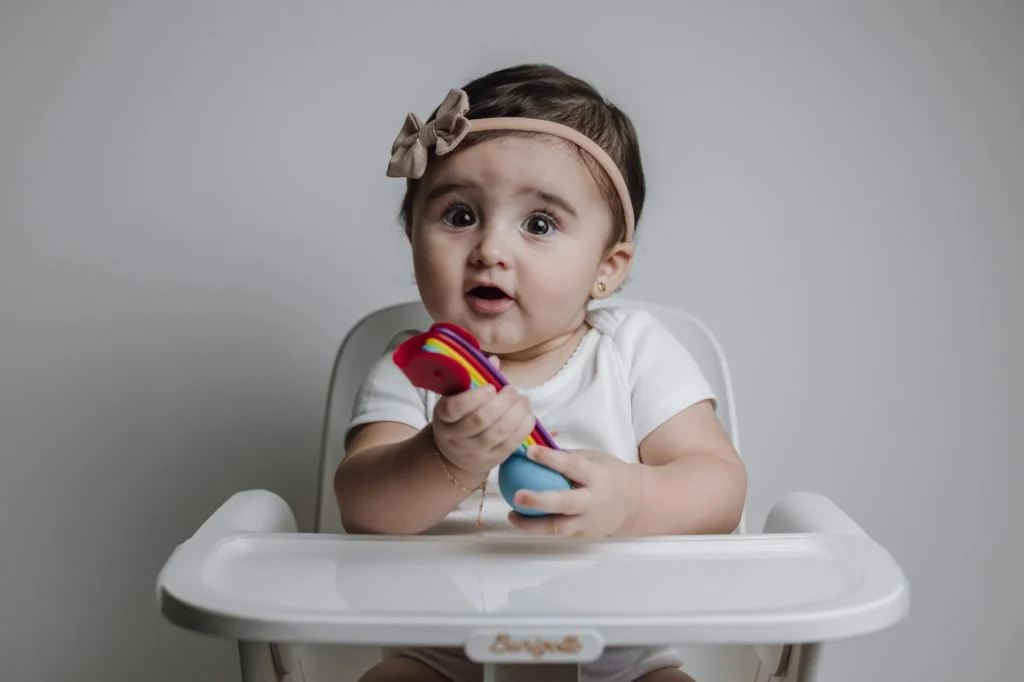
A footrest isn’t just a place for little feet to rest; it’s a foundation for stability. When a baby’s feet are dangling, they lack a solid base, often leading to slouching or wiggling to find support. This can divert their focus from eating and even affect their ability to manage food.
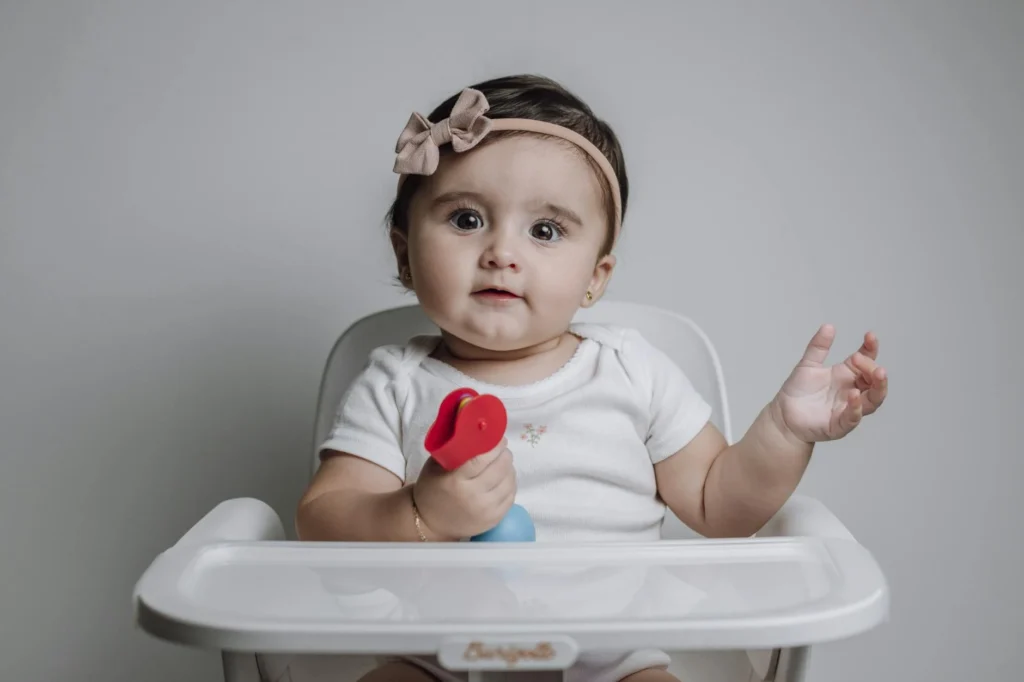
- How to Adjust: The footrest should be adjusted so your baby’s feet are flat and supported. Their knees should ideally be at a roughly 90-degree angle. This position provides a sense of grounding and allows them to use their core muscles effectively. Think of it like sitting in a regular chair – you push off your feet for stability.
Tray or Table Height
The high chair tray should be positioned at roughly elbow height when your baby’s arms are bent at a 90-degree angle. This allows them to easily reach for food without overstretching or hunching, promoting self-feeding and good hand-to-mouth coordination.
Seat Depth and Back Support
Ensure your baby’s bottom is all the way back in the seat, with their back supported against the high chair’s backrest. Their hips should be at about a 90-degree angle, similar to their knees. If the seat is too deep, you might need an infant insert or a rolled towel behind them to bring them forward, ensuring their back is straight and supported.
Safety Straps
Always use the high chair’s safety harness. It should be snug enough to prevent your baby from climbing out or slouching excessively, but not so tight that it restricts movement or causes discomfort. A 5-point harness often provides the best security.
Signs Your Baby’s High Chair Needs Adjustment
Keep an eye out for these cues that might suggest your baby isn’t optimally positioned:
- Slouching or Leaning: If they consistently slump forward or to the side.
- Excessive Wiggling: Trying to find a comfortable or stable position.
- Difficulty Reaching Food: Struggling to grab food from the tray.
- Falling Asleep: While not always posture-related, discomfort can contribute to a baby giving up and getting sleepy during meals.
- Lack of Engagement: Appearing distracted or uninterested in food, potentially due to discomfort.
Important General Information
This information is for general guidance only and is not a substitute for professional medical advice. Always consult with your pediatrician or a qualified healthcare professional regarding your child’s specific needs and any health concerns.
When to Talk to a Professional
If you have persistent concerns about your baby’s posture, feeding difficulties, or if they seem uncomfortable or distressed during mealtimes despite adjusting their high chair, it’s always a good idea to speak with your pediatrician. They can offer personalized advice and rule out any underlying issues.
Note: Totals vary by provider, region, and part quality.
Images sourced from Pexels.