
Making Snack Time Easier: Low-Mess Bites for Your 26-Month-Old
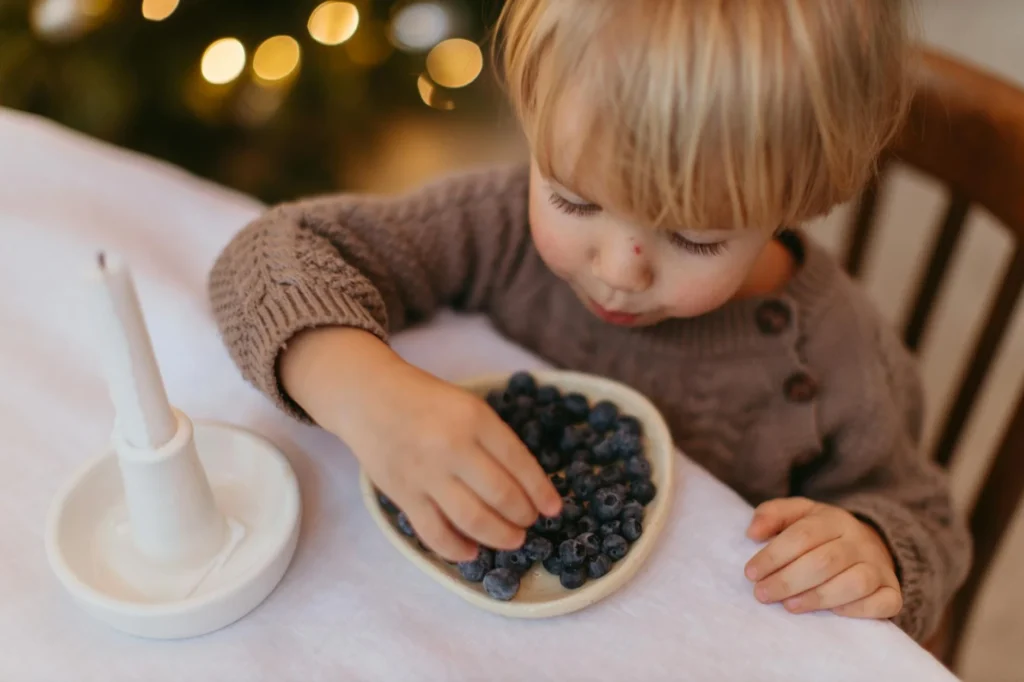
Toddler snacks are often a lifeline for hungry little ones, providing crucial energy boosts between meals. At 26 months, your toddler is likely a whirlwind of activity, full of growing independence and a desire to feed themselves. The good news is, you can offer a nutritious and exciting snack rotation without turning your kitchen into a food art gallery!
Why Choose Low-Mess Snacks?
- Less Cleanup for You: This is probably the most appealing benefit for busy parents! Spend less time wiping floors, high chairs, and tiny hands.
- Encourages Independence: Low-mess options empower toddlers to practice self-feeding skills, boosting their confidence and fine motor development without overwhelming them (or you) with a massive mess.
- Reduces Food Waste: When food is less likely to be flung or dropped, more of it ends up in tummies, not on the floor.
- On-the-Go Friendly: Many tidy snack options are perfect for car rides, stroller walks, or trips to the park.
Our Favorite Low-Mess Snack Rotation Ideas
Here are some simple and nutritious ideas to keep snack time exciting and tidy for your 26-month-old:
1. The “Stick-Together” Crew
These options are less likely to crumble or fall apart, making them great for little hands to manage.
- Mini Muffins or Loaf Slices: Opt for homemade or store-bought whole-grain muffins (banana, zucchini, or carrot work well). Look for options with no added sugar, or make your own with fruit for sweetness. Slice larger loaf breads into small, manageable pieces.
- Small Sandwiches or Pinwheels: Crusts removed, cut into bite-sized shapes like triangles or squares. Fillings like mashed avocado, cream cheese, or very thinly sliced turkey are less likely to squish out. Pinwheels made with whole-wheat tortillas and a smear of hummus or cream cheese are also a hit.
- Cheese Cubes or Sticks: Easy to hold, great for practicing biting and chewing, and a good source of calcium and protein.
- Soft Cooked Veggie Sticks: Steamed carrot sticks, zucchini spears, or roasted sweet potato fries are nutritious and much less crumbly than raw versions.
2. Pre-Portioned & Naturally Neat
Foods that come in their own neat package or are easy to portion out into individual pieces.
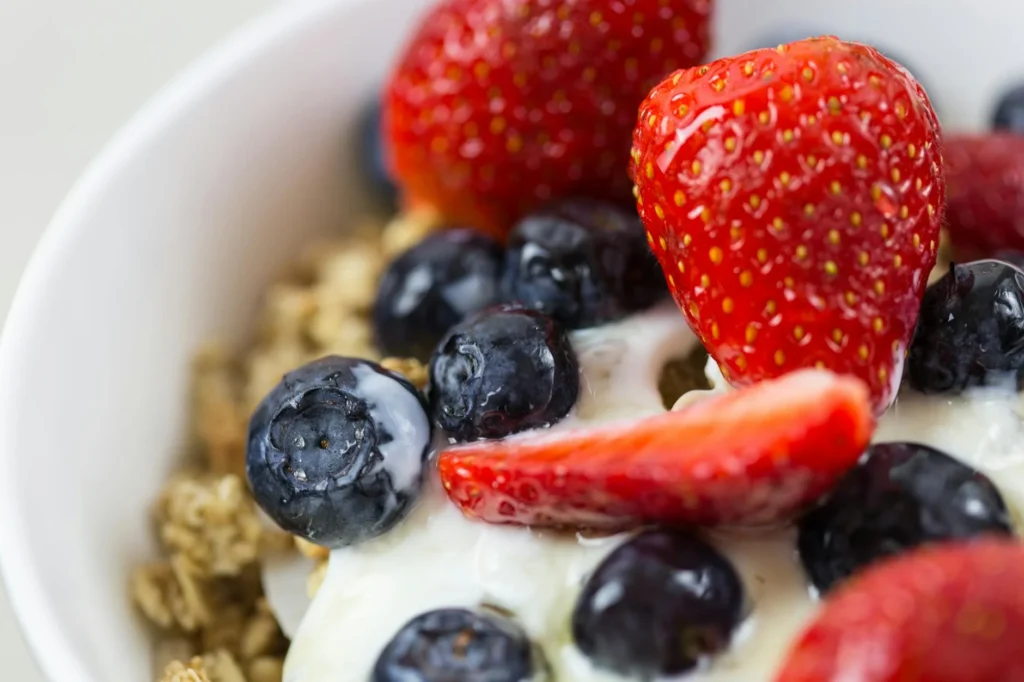
- Berries: Blueberries, raspberries, and blackberries are naturally portioned and easy for small fingers to pick up. For larger berries, you may want to cut them in half.
- Grapes (Halved or Quartered): Always slice grapes lengthwise and into quarters to reduce choking risk. This also makes them easier for toddlers to pick up.
- Apple Slices or Pear Chunks: Offer with the skin on for extra fiber, or peeled if preferred. Cut into thin, manageable slices or small chunks.
- Dry Cereal (Low Sugar): O-shaped cereals are perfect for practicing a pincer grasp and are generally very low-mess.
- Whole-Grain Crackers: Choose sturdy, less crumbly crackers. Pair them with a smear of avocado, a thin layer of cream cheese, or a little hummus.
- Edamame: Steamed, shelled edamame is a fun, protein-packed option that’s easy to pop into their mouths.
3. Thicker Dips & Dippers (with Supervision!)
While dips can sometimes be messy, choosing thicker options and sturdy dippers can help contain the fun, especially with a bit of supervision.
- Hummus: A good source of protein and fiber. Pair with pita bread triangles, cucumber sticks, or bell pepper strips.
- Guacamole: Serve with baked tortilla chips or robust whole-wheat crackers.
- Thick Yogurt Dip: Plain Greek yogurt mixed with a little fruit puree can be used with fruit slices (like apple or pear) or whole-grain crackers.
4. Frozen & Fun
Great for teething toddlers or warm days, these melt slowly and are often self-contained.
- Yogurt Bites: Drop small dollops of plain yogurt onto parchment paper and freeze. They are bite-sized, melt slowly, and can be quite refreshing.
- Frozen Fruit Pieces: Slices of banana, mango chunks, or berries can be wonderfully cooling and a good way to offer fruit.
- Homemade Fruit Pops: Blended fruit puree (like berries and banana) frozen in small molds. These are naturally sweet and fun.
Important Safety Notes for Toddler Snacks
- Choking Hazards: Always supervise your toddler during snack time. Cut small, round foods like grapes, cherry tomatoes, and hot dogs (if offered) lengthwise and into quarters. Nuts, whole seeds, popcorn, large chunks of sticky foods like peanut butter, and tough meats can also be choking risks.
- Allergy Awareness: When introducing new foods, offer them one at a time and watch for any signs of an allergic reaction for a few days before introducing another new food.
- Honey: Remember, honey should not be given to children under one year of age due to the risk of infant botulism. While your 26-month-old is past this risk, it’s a crucial general feeding safety rule to keep in mind.
- Salt and Sugar: It’s best to avoid adding extra salt or sugar to your toddler’s snacks. Their palates are still developing, and natural flavors are best for their health.
When to Talk to a Healthcare Professional
While these tips offer general guidance for healthy snacking, always consult your pediatrician or a registered dietitian if you have concerns about your toddler’s diet, growth, potential food allergies, or any feeding difficulties. They can provide personalized advice and support tailored to your child’s specific needs.
Please Note: This article provides general information and is not intended to be medical advice. Always consult with a qualified healthcare professional for any health concerns or before making any decisions related to your child’s health and diet.
Note: Totals vary by provider, region, and part quality.
Images sourced from Pexels.