
Understanding Pacifier Use for Your 13-Week-Old
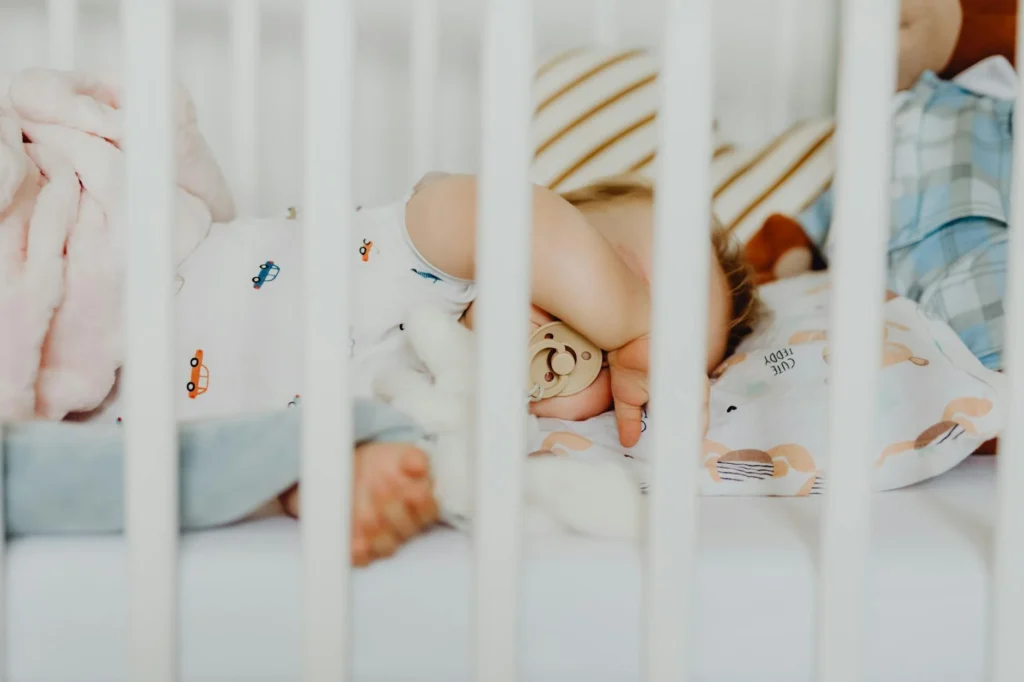
As your baby approaches three months, you might be wondering about pacifiers. Perhaps your little one already uses one, or you’re considering introducing it. Pacifiers can be a helpful tool for many families, offering comfort and promoting a sense of calm for your infant. At 13 weeks, your baby is becoming more aware of their surroundings and developing their own ways to self-soothe. Understanding the potential upsides and things to keep in mind about pacifier use can help you make an informed choice for your family.
Potential Benefits of a Pacifier
- Comfort and Soothing: The most immediate benefit is often the comfort it provides. Sucking is a natural reflex for babies, and a pacifier can satisfy this need, helping to calm a fussy baby or ease them into sleep.
- Promoting Self-Soothing: A pacifier can give your baby a tool to self-soothe between feedings or wake-ups, which might encourage longer stretches of sleep for some infants.
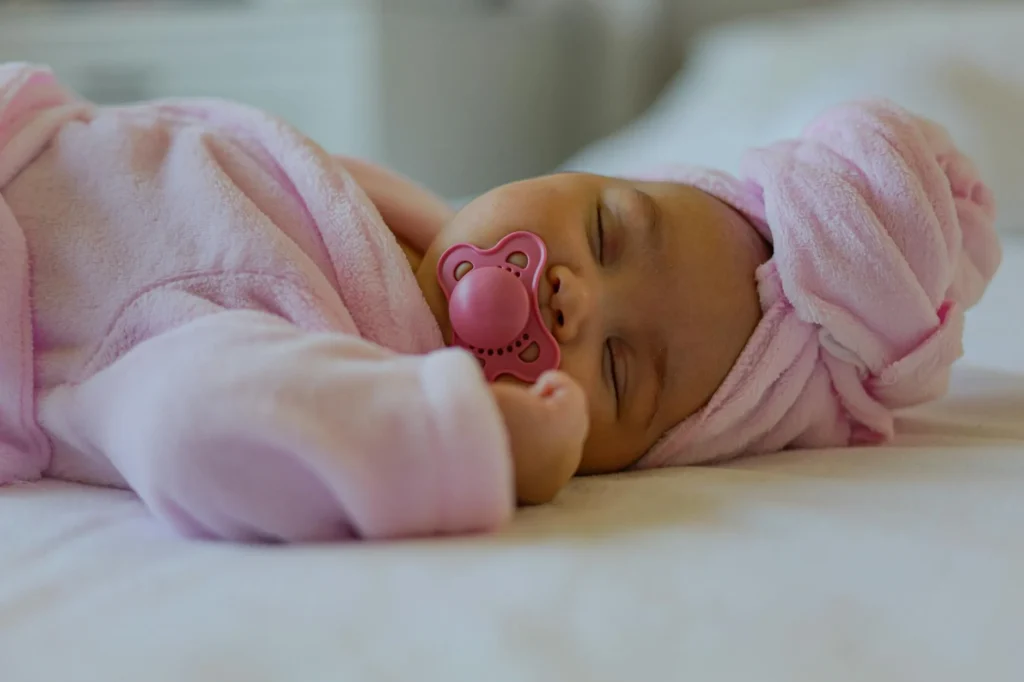
- Reducing SIDS Risk: Studies suggest an association between pacifier use at bedtime and naptime and a reduced risk of Sudden Infant Death Syndrome (SIDS). It’s important to offer the pacifier when putting your baby to sleep, but not force it if they refuse.
- Temporary Distraction: Pacifiers can be helpful during procedures like immunizations or when your baby needs a momentary distraction.
Things to Consider About Pacifier Use
- Nipple Confusion (Less Common at 13 Weeks): While more of a concern in the very early weeks, if your baby is still struggling with breastfeeding or has not fully established a good latch, introducing a pacifier could theoretically interfere. However, for most 13-week-olds with established feeding routines, this risk is significantly lower.
- Dependency: Some babies can become quite dependent on a pacifier, needing it to fall back asleep if it falls out, which can mean more wake-ups for parents.
- Oral and Dental Health: Prolonged pacifier use beyond toddlerhood (typically past age 2-4) can sometimes affect tooth alignment and jaw development. For a 13-week-old, this is not an immediate concern, but it’s good to be aware of for the future.
- Germs: Pacifiers can easily pick up germs, so regular cleaning and sanitizing are important, especially for young infants.
- Impact on Speech Development: While not typically an issue in early infancy, consistently having a pacifier in the mouth can sometimes hinder opportunities for babbling and speech development as a child gets older.
When to Talk to a Professional
Every baby is different, and what works for one may not work for another. If you have concerns about your baby’s feeding, sleep patterns, or development related to pacifier use, don’t hesitate to reach out to your pediatrician or a lactation consultant. They can offer personalized advice and support based on your baby’s specific needs and your family’s situation. For instance, if pacifier use seems to be causing feeding difficulties, recurring ear infections, or if you’re finding it impossible to soothe your baby without one, it’s a good idea to discuss these observations with a healthcare provider.

Important Health Information
The information provided here is for general educational purposes only and is not intended to be a substitute for professional medical advice, diagnosis, or treatment. Always seek the advice of your pediatrician or other qualified health provider with any questions you may have regarding a medical condition or your baby’s health and development. Never disregard professional medical advice or delay in seeking it because of something you have read here.
Note: Totals vary by provider, region, and part quality.
Images sourced from Pexels.