
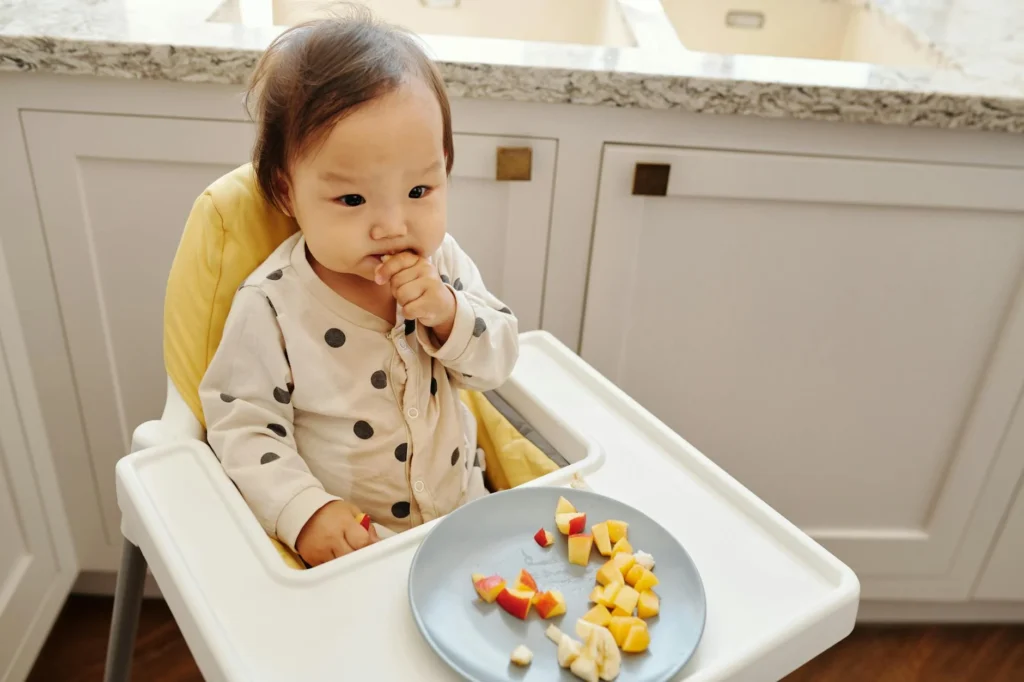
As your little one approaches 14 months, you might notice some changes at the dinner table. What was once a relatively smooth feeding journey can suddenly become a daily challenge. Welcome to the world of picky eating! It’s a very common phase for toddlers as they explore their independence and develop new preferences. It can feel frustrating, but rest assured, you’re not alone. This guide will help you understand why your toddler might be turning up their nose at food and how to foster a positive, pressure-free mealtime environment.
Understanding Picky Eating at 14 Months
Why It Happens
Around this age, toddlers are asserting their autonomy. They’ve discovered they have a say in things, and food is a big one! It’s also a period of slower growth compared to their first year, meaning they naturally need less food. This can often be mistaken for pickiness. Toddlers are also experiencing food neophobia
—a natural wariness of new or unfamiliar foods. It’s a protective instinct, but it means you might have to offer a new food many times before they even consider tasting it.
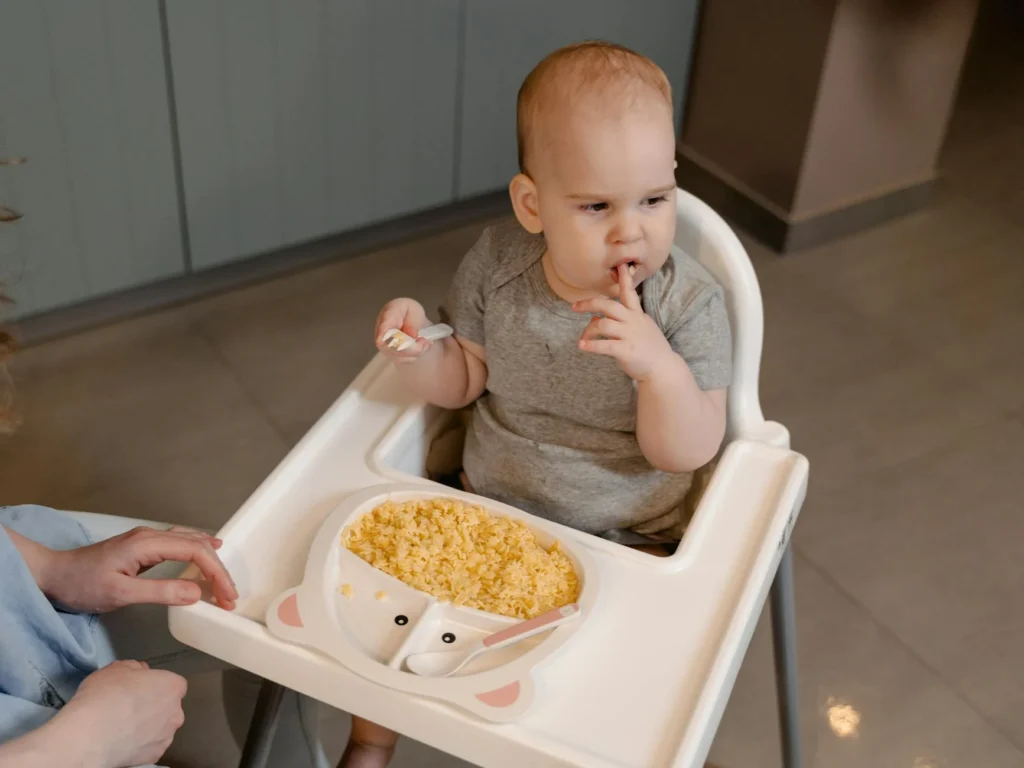
Common Behaviors You Might See
- Refusing foods they previously loved.
- Insisting on only a few select foods (e.g., pasta, fruit, bread).
- Playing with food more than eating it.
- Showing strong preferences for certain textures or colors.
- Turning away from the spoon or pushing plates away.
- Eating very little at one meal, then a lot at another.
Our Pressure-Free Approach to Mealtimes
The key to navigating picky eating without adding stress for you or your toddler is to adopt a pressure-free philosophy. This means creating a positive atmosphere where your child feels safe to explore food without coercion.

Make Mealtime Pleasant, Not a Battle
Mealtimes should be a happy, social occasion. Avoid scolding, bribing, or forcing your child to eat. This can create negative associations with food and make the situation worse. Instead, focus on connection and conversation, even if your toddler isn’t eating much.
Offer Choice, Maintain Control
You decide what food is offered, when it’s offered, and where it’s eaten. Your toddler decides if they eat and how much. This clear division of responsibility empowers your child while ensuring they’re exposed to nutritious options. Offer 2-3 healthy options, including at least one food you know they usually like.
Patience is Your Best Tool
It can take 10-15 exposures to a new food before a toddler even tries it, let alone accepts it. Keep offering a variety of foods, even those they’ve previously rejected, without pressure. Sometimes just seeing the food on their plate alongside familiar favorites is enough exposure for the day.
Role Modeling Matters
Children learn by watching. Sit and eat with your toddler whenever possible, showing them that you enjoy a variety of healthy foods. Make mealtimes a family affair, where everyone shares and tries different items.
What to Offer: General Feeding Advice
Focus on offering a balanced variety of nutritious foods. Remember, it’s about what they eat over the course of a week, not just one day or one meal.
Variety is Key
Offer a range of food groups: whole grains, fruits, vegetables, proteins (like lean meats, beans, eggs), and healthy fats. Present foods in different ways—steamed carrots one day, roasted carrots the next. Cut food into fun shapes or offer dips.
Keep Portions Small
Toddlers have tiny tummies! A portion size for a 14-month-old might be much smaller than you expect. Offering too much can be overwhelming. You can always offer more if they finish what’s on their plate.
Safety Notes for Little Eaters
- Honey: Never give honey to children under one year of age due to the risk of infant botulism.
- Salt & Sugar: It’s best to avoid adding extra salt and sugar to your toddler’s food, especially under the age of two. Their kidneys are still developing, and too much salt can be harmful. Added sugars offer no nutritional value.
- Allergies: When introducing new foods, especially common allergens (like peanuts, eggs, dairy, soy, wheat, tree nuts, fish, shellfish), introduce them one at a time. This makes it easier to identify any reactions. Always be aware of choking hazards; cut food into small, manageable pieces.
When to Reach Out to a Professional
This information is for general guidance only and is not a substitute for professional medical advice. If you have concerns about your child’s growth or eating habits, please consult a healthcare professional, such as your pediatrician or a registered dietitian.
While some picky eating is normal, it’s always wise to talk to your doctor if you notice:
- Your child is not gaining weight or is losing weight.
- They are consistently rejecting entire food groups.
- Mealtime becomes extremely stressful or tearful for everyone involved.
- They have difficulty chewing or swallowing.
- They seem to have pain or discomfort when eating.
- You suspect a severe food aversion or allergy.
Frequently Asked Questions About Toddler Feeding
Should I offer snacks between meals?
Yes, well-timed snacks can be very helpful! Aim for 2-3 structured meals and 1-2 nutritious snacks per day. Try to avoid constant grazing, as this can mean your toddler isn’t hungry enough for meals.
What if my toddler only wants milk?
While milk is important, too much can fill up tiny tummies and reduce appetite for solid foods, which provide more diverse nutrients. Aim for about 16-24 ounces (around 450-700ml) of whole milk per day for a 14-month-old. Offer milk after solids or with meals, rather than before, to ensure they’re hungry for food.
Note: Totals vary by provider, region, and part quality.
Images sourced from Pexels.