
When it comes to baby sleep, safety and comfort are top priorities. Sleep sacks, sometimes called wearable blankets, have become a beloved tool for parents looking to create a secure and cozy sleep environment. They offer a safe alternative to loose blankets, which are not recommended in a baby’s crib, helping to reduce certain sleep risks while keeping your little one comfortably warm.
A well-chosen sleep sack can provide warmth without overheating, allow for unrestricted movement for healthy development, and even become a comforting part of a consistent bedtime routine.

Who It Helps
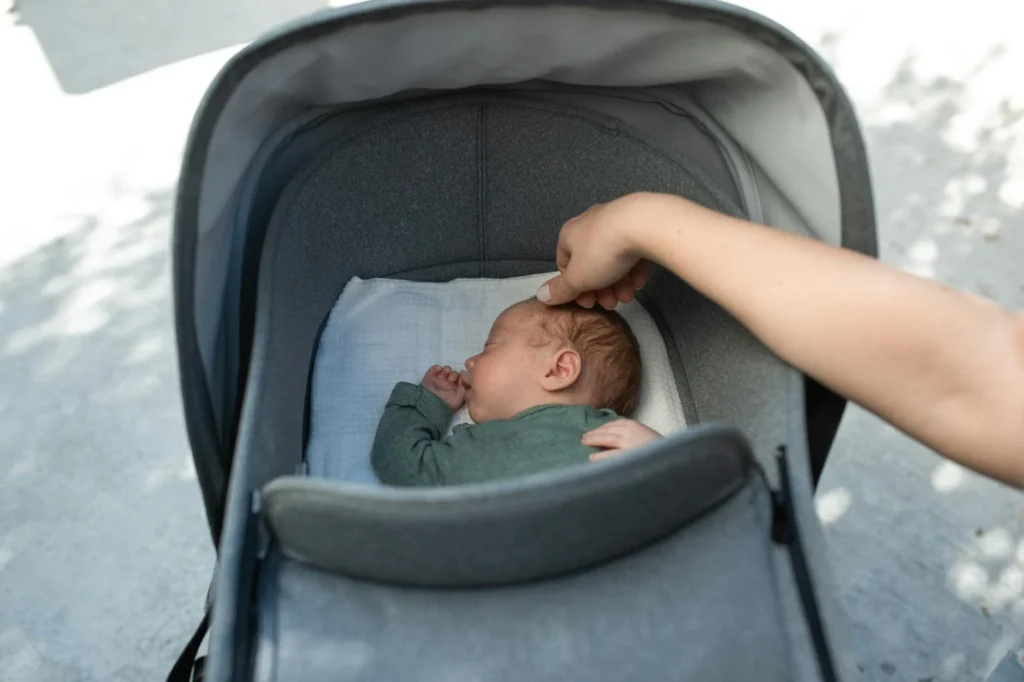
Sleep sacks are a fantastic choice for most babies, from newborns up through toddlerhood. They are especially helpful for:

- Babies who kick off blankets: If your little one frequently wriggles out of their covers, a sleep sack ensures they stay warm all night.
- Parents concerned about loose bedding: By eliminating loose blankets from the crib, sleep sacks contribute to a safer sleep space.
- Establishing a consistent sleep routine: The familiar feel of a sleep sack can become a comforting sleep cue, signaling to your baby that it’s time to rest.
- Easier nighttime diaper changes: Many sleep sacks feature two-way zippers, making quick diaper changes in the dark much simpler without fully undressing your baby.
Choosing the Right Sleep Sack: Warmth and Sizing
Selecting the perfect sleep sack involves two key factors: its warmth level and how well it fits your baby.
Understanding TOG (Thermal Overall Grade)
TOG stands for Thermal Overall Grade, and it’s a measurement of a fabric’s thermal insulation. Essentially, the higher the TOG rating, the warmer the sleep sack. This rating helps you choose the appropriate sleep sack based on the room temperature and the clothing your baby is wearing underneath.

- 0.5 TOG: Ideal for very warm rooms (around 75-81°F / 24-27°C) or during heatwaves. Often worn over just a diaper or a very light bodysuit.
- 1.0 TOG: Suitable for warmer rooms (around 69-74°F / 21-23°C). Can be paired with a lightweight bodysuit or pajamas.
- 2.5 TOG: Best for cooler rooms (around 61-68°F / 16-20°C). Usually worn with long-sleeved pajamas or a bodysuit.
- 3.5 TOG: Designed for cold rooms (below 61°F / 16°C). Typically worn with warm pajamas underneath.
Remember, these are general guidelines. Always feel your baby’s neck or chest (not hands or feet, which can often be cooler) to check if they are too warm or too cold. They should feel warm and dry, not sweaty or clammy.
Finding the Perfect Fit
Proper sizing is crucial for both safety and comfort. A sleep sack that is too large can pose a safety risk, while one that is too small can restrict movement.
- Neck Opening: The most important safety check! The neck opening should be snug enough so that your baby’s head cannot slip inside the sleep sack. You should be able to fit two fingers comfortably between the neck opening and your baby’s neck, but no more.
- Armholes: These should also be appropriately sized, not too loose, to prevent your baby’s arms from slipping back into the sack.
- Leg and Hip Room: Ensure there’s plenty of space at the bottom for your baby’s legs to kick and move freely. This supports healthy hip development.
- Weight and Height: Always consult the manufacturer’s specific weight and height recommendations, as these can vary between brands. Avoid sizing up too early, even if you think your baby will grow into it, due to the safety concerns with neck and armhole fit.
Sleep Sack Safety Checklist
Using a sleep sack is a step towards safe sleep, but a few key practices should always be followed:
- Back to Sleep: Always place your baby on their back to sleep, for every nap and every night.
- Proper Fit: Double-check the neck and armhole fit before each use.
- No Hoods: Avoid sleep sacks with hoods, as they can be a suffocation hazard.
- Clear Crib: Keep the crib clear of any loose items, including blankets, bumpers, pillows, and toys.
- Monitor Temperature: Regularly check your baby’s neck or chest to ensure they are not too hot or too cold. Signs of overheating include sweating, damp hair, flushed cheeks, and rapid breathing. If you notice these, remove a layer of clothing or choose a lower TOG sleep sack.
- Appropriate TOG: Match the sleep sack’s TOG to the room temperature and your baby’s clothing layers.
This information is for general guidance only and is not a substitute for professional medical advice. Always consult with your pediatrician or healthcare provider for any health concerns or before making decisions related to your child’s care. If you have concerns about your baby’s temperature or well-being, seek immediate medical attention.
Care and Cleaning Tips
Keeping your baby’s sleep sack clean is easy. Most are designed for regular washing:
- Follow Labels: Always refer to the manufacturer’s care instructions on the label for best results.
- Regular Washing: Wash sleep sacks frequently, especially if your baby spits up or has diaper leaks.
- Gentle Detergent: Use a baby-friendly, mild detergent free of harsh chemicals or strong perfumes.
- Drying: Air drying is often best to maintain fabric integrity, but many can be tumble dried on a low setting. Avoid high heat to prevent shrinking or damage to any zippers/snaps.
- Inspect for Wear: Before each use, quickly check for any loose threads, broken zippers, or worn-out snaps that could pose a risk.
Common Questions About Sleep Sacks
Can my baby wear clothes under a sleep sack?
Yes, absolutely! In fact, most babies wear some form of clothing under their sleep sacks. The number and type of layers depend on the room temperature and the sleep sack’s TOG rating. Think of the sleep sack as an outer layer, like a blanket, that stays safely in place.
When should my baby stop using a sleep sack?
There’s no strict age for when a child must stop using a sleep sack. Many children transition out of them between 18 months and 3 years old, or when they start attempting to climb out of the crib. Once a child is out of the crib and in a toddler bed, they might prefer a blanket. Some brands offer larger sleep sacks for toddlers up to age 4 or 5.
How do I know if my baby is too hot or too cold?
The best way to check your baby’s temperature is by feeling their chest or the back of their neck. If these areas feel warm and dry, they are likely comfortable. If they feel sweaty or clammy, your baby might be too warm. If they feel cold to the touch on their chest/back, they may need an extra layer or a higher TOG sleep sack. It’s normal for a baby’s hands and feet to feel a bit cooler, so don’t rely solely on those.
Note: Totals vary by provider, region, and part quality.
Images sourced from Pexels.