
As children reach the age of 10, their world expands. Friends, hobbies, and digital devices all start to play a bigger role. With this comes a new challenge for many families: balancing screen time with essential sleep. Getting enough rest is crucial for a 10-year-old’s growth, learning, and overall well-being. Let’s explore how to create a healthy balance.
Why Sleep Matters So Much Now
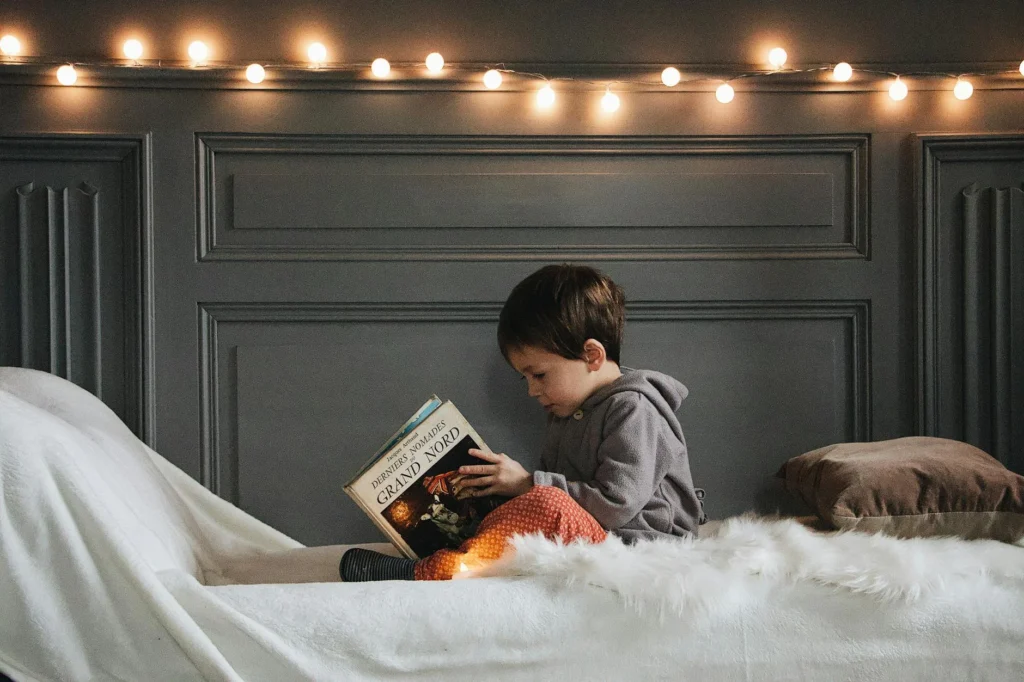
Adequate sleep is vital for a 10-year-old. It supports their rapid physical growth and brain development, which are still very much in progress. During sleep, their bodies repair and grow, and their minds process the day’s learning, consolidating memories. Good sleep also plays a huge part in emotional regulation, helping them manage moods, stress, and school challenges. Children who consistently get enough sleep tend to have better concentration, problem-solving skills, and a stronger immune system.
The Screen Connection: What You Should Know
Screens are everywhere, and they’re designed to be engaging. However, the light emitted from devices like tablets, phones, and computers can interfere with the body’s natural production of melatonin, the hormone that helps us feel sleepy. When melatonin production is disrupted, it can make it harder for children to fall asleep and impact the quality of their rest. Beyond the light, the content itself – exciting games, social media, or captivating videos – can be mentally stimulating, making it difficult for a child’s mind to wind down before bed.

Tiny Habits That Help: Creating a Family Sleep & Screen Plan
Crafting a family plan can help everyone achieve better balance and sleep. Consistency is key, and involving your 10-year-old in the process often leads to better cooperation.
Set Clear Boundaries
Decide on specific ‘screen curfews’ for all devices, ideally at least an hour, but preferably two, before bedtime. Designate bedrooms as ‘device-free zones’ where all screens are charged outside the room overnight. This removes the temptation for late-night use and ensures a peaceful sleep environment.

Establish a Relaxing Bedtime Routine
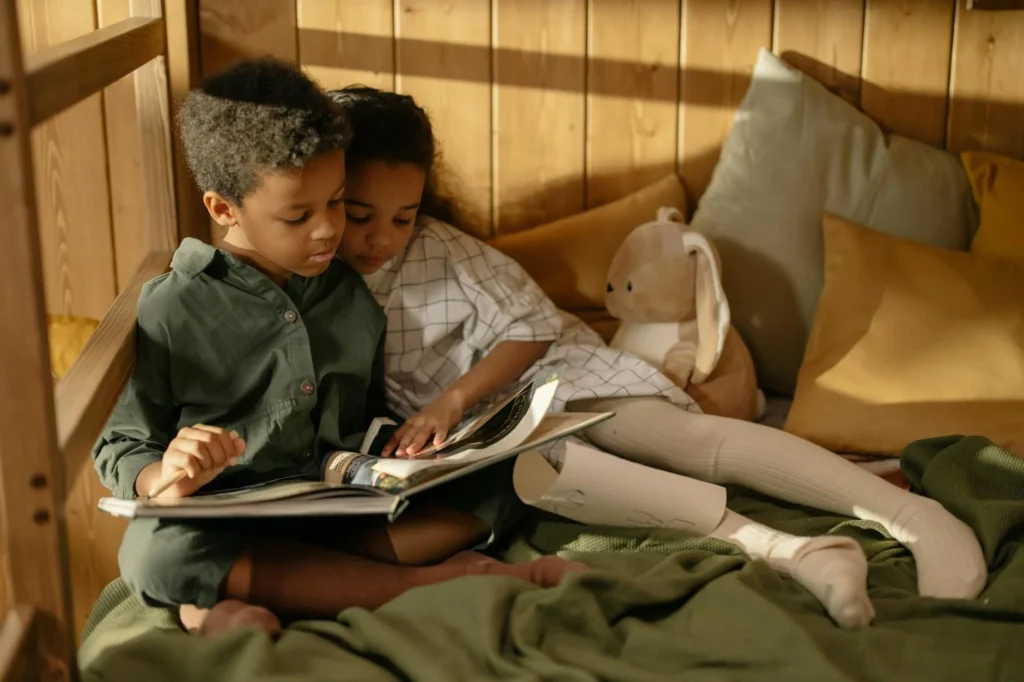
Help your child transition from active to calm with a predictable routine. This could include a warm bath, reading a physical book, listening to quiet music, or having a chat about their day. The goal is to signal to their body and mind that it’s time to prepare for sleep, free from the stimulation of screens.
Encourage Outdoor Time & Physical Activity
Physical activity during the day can significantly improve sleep quality at night. Encourage your child to play outside, join a sports team, or simply take walks. Exposure to natural light during the day also helps regulate their circadian rhythm, making it easier to fall asleep when evening comes.
Model Healthy Habits
Children learn by watching. If you’re constantly on your phone or watching TV late into the evening, it sends a mixed message. Try to participate in the screen-free wind-down time as a family. This shows your child that these habits are important for everyone, not just them.
Discuss & Collaborate
Talk to your 10-year-old about why sleep and screen limits are important. Explain the science behind it in an age-appropriate way. Involve them in setting the rules and consequences, giving them a sense of ownership over the family plan. They might have great ideas too!
Common Pitfalls to Avoid
Even with the best intentions, families can sometimes fall into habits that undermine good sleep. Inconsistency with screen rules can be confusing for children and make boundaries harder to enforce. Using screens as a reward or punishment can also create an unhealthy relationship with digital devices. Be mindful of not filling the time previously occupied by screens with other stimulating activities right before bed, like intense homework or energetic games. Also, remember to offer engaging alternatives to screen time to prevent boredom and resistance.
When to Reach Out for Support
While establishing healthy routines can greatly improve sleep, sometimes persistent issues arise. If your child consistently struggles to fall asleep, wakes frequently throughout the night, experiences excessive daytime sleepiness, or if you notice their sleep difficulties are impacting their mood, school performance, or behavior, it might be time to seek professional advice. These could be signs of underlying sleep conditions or other health concerns.
This information is for general guidance only and should not be considered medical advice. Always consult a healthcare professional for specific health concerns or sleep difficulties.
Finding the right balance between screens and sleep is an ongoing journey for families. By working together, setting clear expectations, and prioritizing rest, you can help your 10-year-old thrive both online and offline.
Note: Totals vary by provider, region, and part quality.
Images sourced from Pexels.