
Traveling with a baby is an adventure, but it can also bring unique challenges, especially when it comes to sleep. Your 31-week-old is likely very aware of their surroundings and thrives on predictability. So, how do you manage naps and bedtime when you’re away from home?

At 31 weeks, babies are often forming stronger sleep associations and might be more sensitive to changes in their environment. The familiar sights, sounds, and smells of home play a big role in their sleep cues. Away from that, it’s easy for routines to unravel, leading to overtiredness for your little one – and for you!

Why Travel Sleep Feels Different
Your baby is constantly learning and observing. New places, different lighting, unfamiliar beds, and changes in daily rhythms can all be exciting, but also overwhelming. This sensory overload, combined with the disruption of their usual schedule, can make settling down for sleep much harder. Expect some bumps, and remember that flexibility is often your best friend.

Keeping Routines on the Road: Tiny Habits That Help
While a perfect replica of your home routine might be impossible, you can adopt several strategies to make sleep easier for your 31-week-old while traveling:
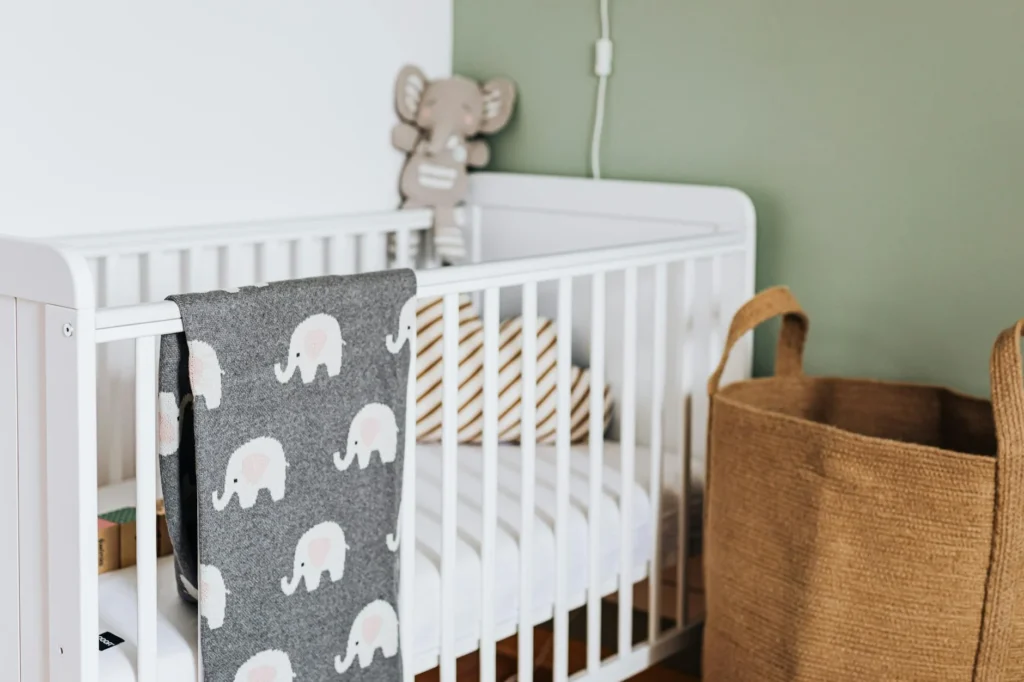
- Pre-Trip Prep: If possible, introduce your baby to their travel crib (often called a pack-n-play) a few times before you leave. Let them play or nap in it at home so it feels a bit more familiar.
- Pack Familiar Items: Bring along a comfort item like a lovey (if age-appropriate and safe for sleep, check with your pediatrician), their usual sleep sack, favorite pacifier, or even a small blanket from home that carries a familiar scent.
- Recreate the Bedtime Ritual: Stick as closely as you can to your baby’s bedtime routine. A warm bath (if accessible), a story, a lullaby, or a quiet cuddle in the same order, even in a new place, signals to your baby that sleep is coming.
- Control the Environment: Use portable blackout curtains or even dark trash bags (taped safely) to darken the room. A white noise machine or app can help block out unfamiliar sounds and create a consistent sleep environment.
- Maintain Core Sleep Times: Try to keep bedtime and nap times relatively close to what they would be at home. While some shifts are inevitable, aim for consistency where you can.
- On-the-Go Naps: Don’t be afraid to utilize naps in the stroller or carrier if a crib nap isn’t feasible. A nap on the go is better than no nap at all, especially when exploring new places. Just be sure their airway is clear and they are in a safe position.
Common Travel Sleep Mistakes to Avoid
- Over-scheduling: It’s tempting to cram in all the sights, but an overtired baby makes for a grumpy traveler (and parents!). Build in downtime and prioritize naps.
- Expecting Perfection: Travel disrupts everyone’s rhythm. Don’t stress if a nap is missed or bedtime is later. One off day won’t derail all your hard work.
- Ignoring Cues: Your baby will still show signs of tiredness. Watch for rubbing eyes, yawning, fussiness, or disinterest in play, and respond promptly to avoid overtiredness.
- Compromising Sleep Safety: Always ensure your baby sleeps in a safe environment, such as a travel crib or bassinet that meets safety standards. Avoid sleeping in adult beds, on couches, or with loose bedding.
When to Reach Out to a Healthcare Professional
This information is for general guidance only and is not a substitute for professional medical advice. While travel sleep challenges are common, if you notice significant changes in your baby’s well-being, such as persistent fever, unusual lethargy, difficulty breathing, or if they are inconsolably upset for extended periods, especially while traveling, contact a healthcare professional immediately. Always trust your parental instincts.
A Quick Note on Baby Safety
No matter where you are, always prioritize safe sleep practices. This means placing your baby on their back for every sleep, using a firm, flat sleep surface free of loose blankets, bumpers, toys, or pillows. Ensure any travel crib or bassinet is properly assembled and meets current safety standards. When traveling in a car, always use an approved car seat installed correctly. Never leave your baby unattended in an unsafe sleep environment.
Note: Totals vary by provider, region, and part quality.
Images sourced from Pexels.