
Shopping for kids’ clothes can sometimes feel like navigating a puzzle. One brand’s 12-month might be another’s 9-12 months, and what’s a ‘T’ size anyway? Getting the right fit is about more than just aesthetics; it ensures comfort, allows for natural movement, and helps clothes last longer as your child grows. Let’s demystify children’s clothing sizes, focusing on height as a key indicator, so you can dress your little one perfectly every time.
How to Measure Your Child for Clothes
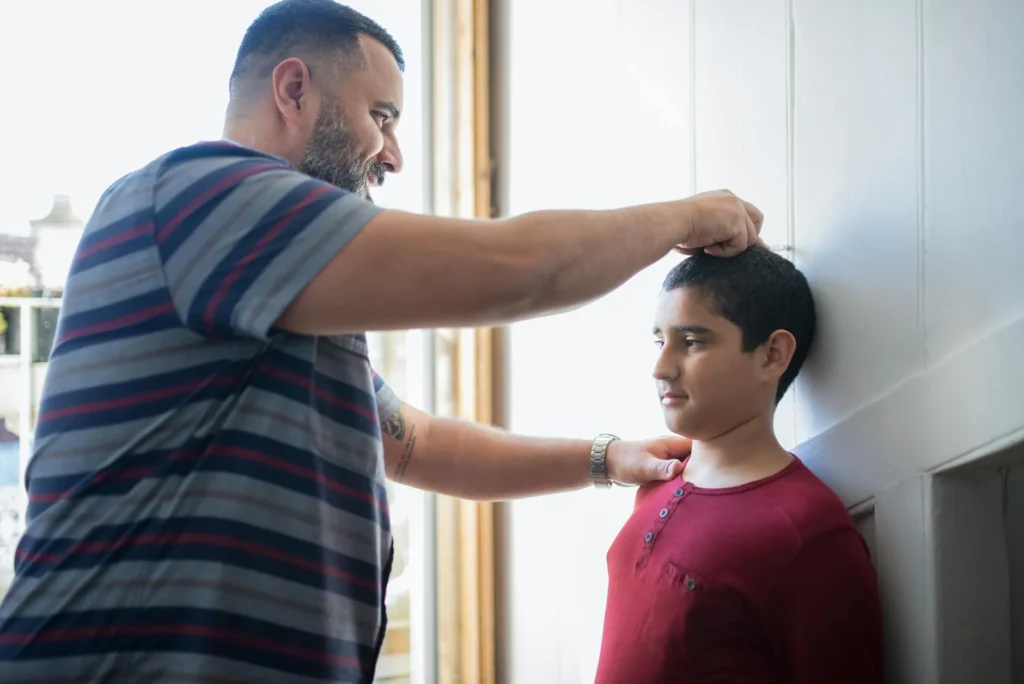
To find the most accurate size, a few simple measurements go a long way. All you need is a soft tape measure and a cooperative child (sometimes the trickiest part!).

- Height: Have your child stand tall against a wall without shoes. Use a pencil to mark the top of their head and measure from the floor to the mark in centimeters. This is the most crucial measurement for most size charts.
- Chest: Measure around the fullest part of their chest, just under the armpits. Keep the tape snug but not tight.
- Waist: Find your child’s natural waistline (usually just above the belly button) and measure around.
- Hips: Measure around the fullest part of their bottom, usually about 15-20 cm below the waist.
- Inseam: For pants, measure from the crotch down to the ankle bone.
Always remember to keep the tape measure level and straight. Don’t pull it too tight – you want clothes to be comfortable, not restrictive!
Kids’ Clothing Size Chart (Height-Based)
While age ranges are common on tags, height offers a more precise guide to ensure a good fit. This chart provides general guidelines; always check specific brand charts if available.
| Approx. Age | Height (cm) | General US/EU Size |
|---|---|---|
| Newborn | Up to 50 | NB / 000 |
| 0-3 Months | 50-62 | 0-3M / 56-62 |
| 3-6 Months | 62-68 | 3-6M / 62-68 |
| 6-9 Months | 68-74 | 6-9M / 68-74 |
| 9-12 Months | 74-80 | 9-12M / 74-80 |
| 12-18 Months | 80-86 | 12-18M / 80-86 |
| 18-24 Months | 86-92 | 18-24M / 86-92 |
| 2T | 92-98 | 2T / 92-98 |
| 3T | 98-104 | 3T / 98-104 |
| 4T | 104-110 | 4T / 104-110 |
| 5T | 110-116 | 5T / 110-116 |
| Kids 6-7 | 116-122 | 6-7 / 116-122 |
| Kids 8-9 | 128-134 | 8-9 / 128-134 |

Common Mistakes When Buying Kids’ Clothes
Even with a chart, mistakes happen. Knowing what to watch out for can save you time and hassle.
- Buying Strictly by Age: A 1-year-old could be wearing 6-month sizes or 2T, depending on their individual growth. Age is a guideline, not a rule.
- Ignoring Brand Variations: Sizes are not universal. A ‘3T’ from one brand might fit differently than a ‘3T’ from another. Always check specific brand size charts if you can.
- Not Accounting for Growth Spurts: Kids grow quickly! If your child is between sizes, or nearing the top of a size range, it’s often wise to size up, especially for everyday items.
- Forgetting About Shrinkage: Cotton garments, especially, can shrink after washing and drying. Consider this when choosing a size.
- Prioritizing ‘Long-Lasting’ Over Comfort: While it’s tempting to buy several sizes up, clothes that are too big can be uncomfortable, impractical, and even a tripping hazard. Aim for a comfortable fit with a little room to grow.
By taking a few measurements and keeping these tips in mind, you’ll become a pro at selecting kids’ clothes that fit just right, ensuring your child is comfy and happy in their outfits!
Note: Totals vary by provider, region, and part quality.
Images sourced from Pexels.