
Decoding Baby Clothing Sizes for a Perfect Fit
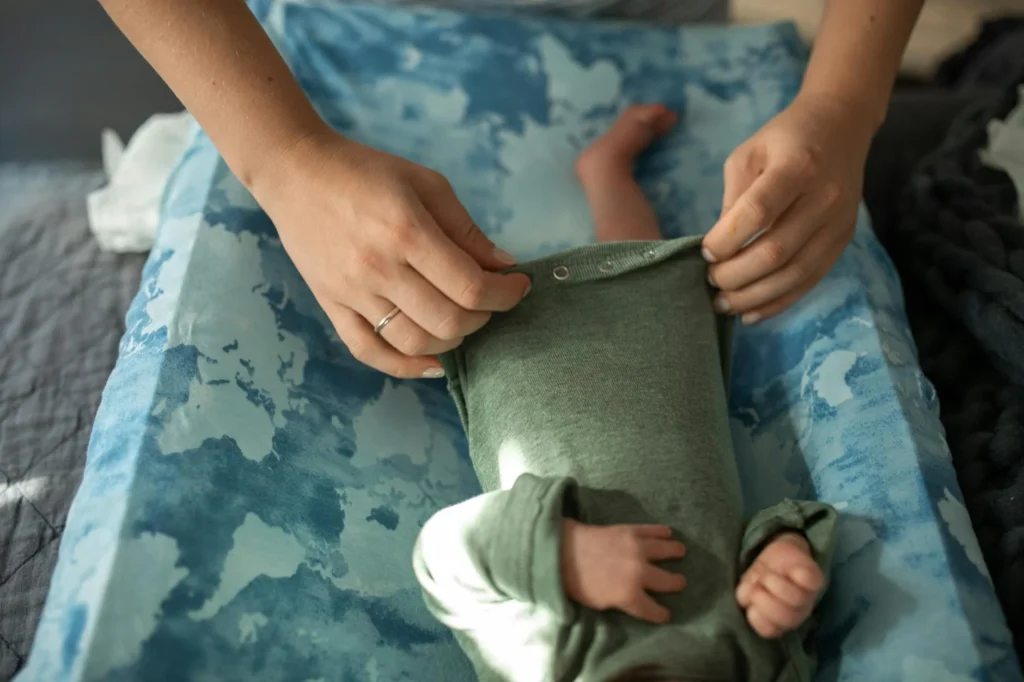
Choosing the right size for baby clothes can feel like a puzzle. One brand’s ‘3-6 months’ might fit differently than another’s, and babies grow so fast! Instead of relying solely on age labels, which are often just an approximation, focusing on your baby’s height is a more reliable way to ensure comfort and proper fit. This guide will help you navigate the world of baby clothing sizes, primarily using height as your key indicator.
How to Accurately Measure Your Baby’s Height
Getting a precise measurement is easier than you think. Here’s how:
- Lay Them Flat: Find a flat surface, like a changing table or the floor. Place a measuring tape or ruler down.
- Straighten Up: Gently stretch your baby out, ensuring their legs are fully extended. It helps to have another person assist, if possible, to keep their head gently pressed against one end of the measuring tape.
- Head to Heel: Measure from the top of their head down to the bottom of their heel. This is their height (or length, for younger infants).
- Record It: Note the measurement in both centimeters and inches for easy reference.
Your Go-To Baby Clothing Size Chart (Height-Based)
Remember, this chart offers general guidelines. Individual brands may vary slightly, and every baby grows at their own unique pace.
| Approximate Age | Height (cm) | Height (inches) | Typical Clothing Size |
|---|---|---|---|
| Newborn | Up to 50 | Up to 19.5 | Newborn / NB |
| 0-3 Months | 50-62 | 19.5-24.5 | 0-3M |
| 3-6 Months | 62-68 | 24.5-27 | 3-6M |
| 6-9 Months | 68-74 | 27-29 | 6-9M |
| 9-12 Months | 74-80 | 29-31.5 | 9-12M |
| 12-18 Months | 80-86 | 31.5-34 | 12-18M / 1T |
| 18-24 Months | 86-92 | 34-36 | 18-24M / 2T |
| 2-3 Years | 92-98 | 36-38.5 | 2T / 3T |
| 3-4 Years | 98-104 | 38.5-41 | 3T / 4T |
Common Mistakes When Choosing Baby Sizes
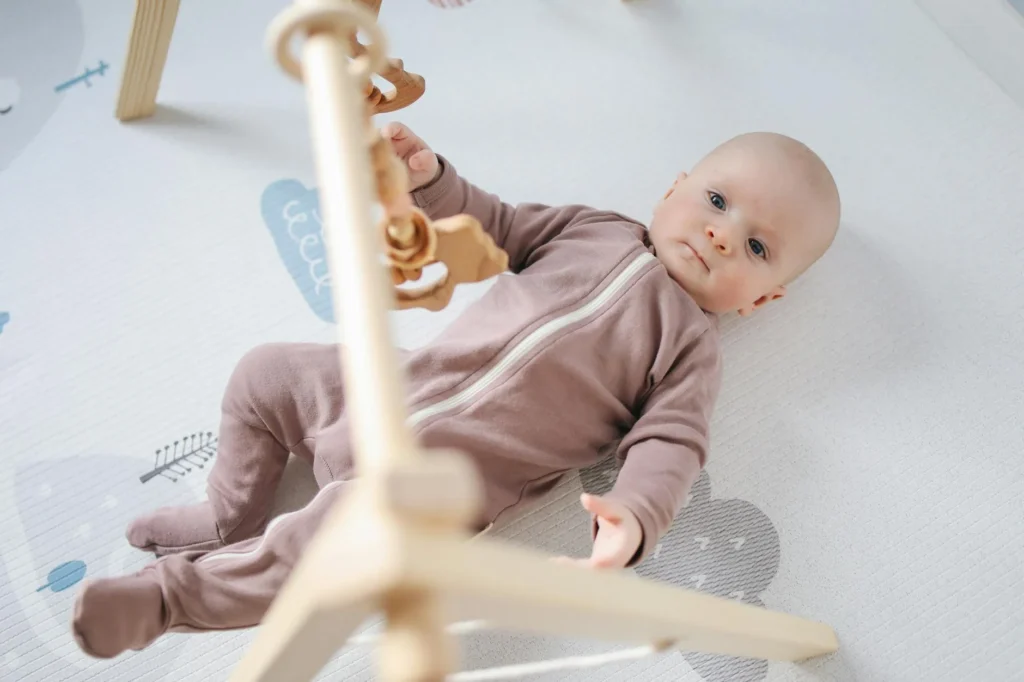
Even with a chart, sizing can have its quirks. Here are a few things to watch out for:
- Ignoring Growth Spurts: Babies don’t stay one size for long! It’s often wise to buy a size up, especially for gifts or future seasons. Clothes that are a little big are usually fine; clothes that are too small are quickly outgrown.
- Brand Variance: Not all brands cut their clothing the same way. Some are known to run smaller or larger than average. If you find a brand that fits your baby well, stick with it or check their specific size guide.
- Relying Solely on Age: As mentioned, age labels are just a suggestion. Two babies of the same age can have very different heights and weights. Always prioritize height and weight over age.
- Forgetting Diaper Room: Diapers, especially cloth diapers, can add bulk. Make sure there’s enough room in the crotch and waist area to prevent discomfort.
- Not Considering Fabric: Some fabrics stretch more than others. Cotton tends to be quite forgiving, while less stretchy materials might require you to size up for comfort.
By using your baby’s height as your primary guide and keeping these tips in mind, you’ll become a pro at selecting comfortable and well-fitting clothing for your little one.
Note: Totals vary by provider, region, and part quality.
Images sourced from Pexels.