
Who It Helps
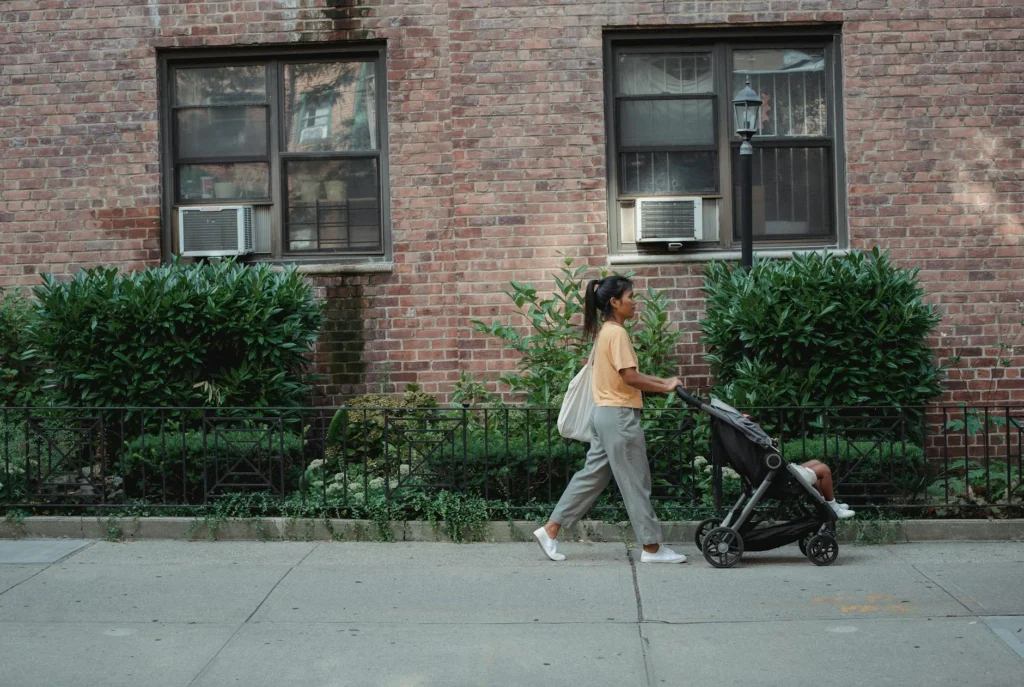
Choosing a stroller can feel like a big decision, especially with so many options out there! This guide is for new parents, experienced caregivers, or anyone looking to upgrade their current baby wheels. Whether you navigate busy city streets, jet-set across continents, or love exploring nature trails, understanding the different types of strollers can help you find the perfect match for your family’s lifestyle and daily adventures.
A good stroller makes outings easier, keeps your little one comfortable, and gives you the freedom to move. Think of it as an essential tool that helps you bring your baby along for all of life’s moments, big and small.
Selection Criteria: Finding Your Stroller Fit
Before you dive into features, consider how and where you’ll use your stroller most often. This will narrow down your choices significantly.
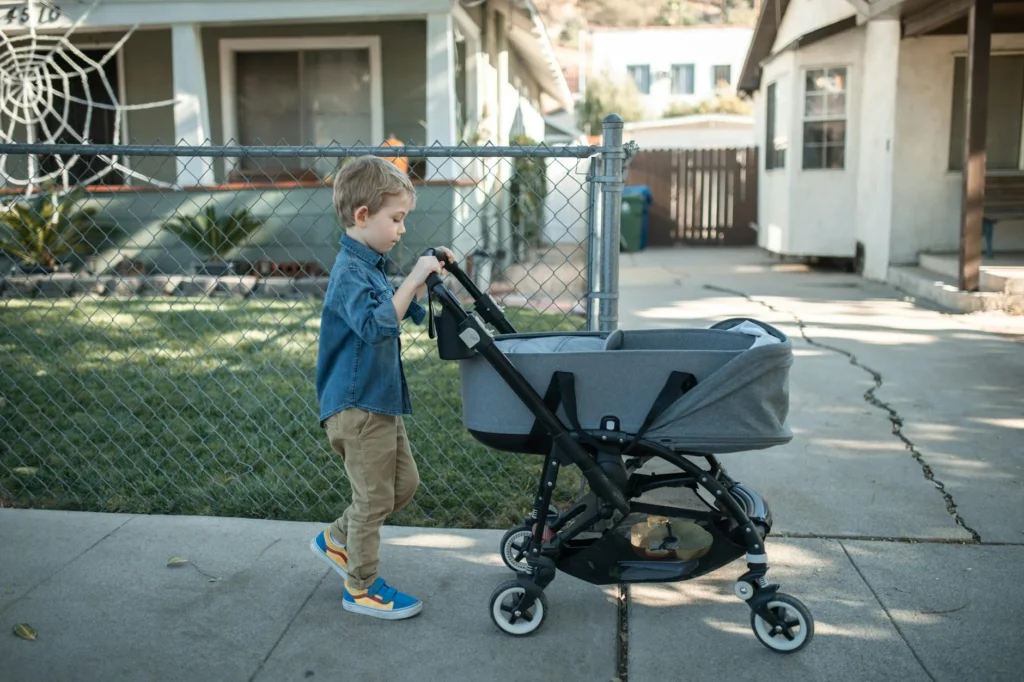
City Strollers: Urban Explorers
Designed for urban living, these strollers are often sleek, lightweight, and incredibly nimble. They excel at navigating crowded sidewalks, tight shop aisles, and public transport. Look for:
- Compact Fold: Easy to store in small apartments or car trunks.
- Maneuverability: Swivel wheels and a tight turning radius for weaving through crowds.
- Basket Space: Enough room for a diaper bag and a few groceries.
- Lightweight Design: For easy lifting onto buses or up stairs.
Travel Strollers: Adventure Ready
Also known as umbrella or compact strollers, these are built for portability. Ideal for frequent travelers, quick errands, or as a secondary, grab-and-go option. Key features include:
- Ultra-Compact Fold: Many can fit in overhead bins on airplanes (check airline specifications!).
- Lightweight Frame: Easy to carry through airports or train stations.
- Durability: Despite being light, they should withstand the rigors of travel.
- Simple Design: Often fewer bells and whistles, focusing on essential function.
All-Terrain Strollers: Off-Road Ready
If your adventures take you beyond paved paths, an all-terrain stroller is your best bet. These are robust and built to handle various surfaces from gravel to grass. Consider:
- Large, Robust Wheels: Often air-filled or high-quality rubber for better shock absorption.
- Superior Suspension: Smooths out bumps and provides a more comfortable ride for your baby.
- Sturdy Frame: Built to withstand more rugged use.
- Adjustable Handlebar: For comfortable pushing over uneven ground.
- Lockable Front Wheel: For stability during jogging or on rougher terrain.
Universal Considerations for All Strollers
- Comfort for Baby: Padded seat, adjustable recline (especially for newborns), good canopy with UPF protection.
- Adjustability: Reversible seat, adjustable handlebar height, footrest.
- Storage: An accessible and adequately sized storage basket is a must.
- Ease of Use: One-hand fold, intuitive brakes, easy-to-adjust harness.
- Compatibility: Can it accept a car seat to create a travel system?
- Durability: High-quality materials and construction for longevity.
Safety Checklist
Safety is paramount when choosing a stroller. Always check for these features:
- Brakes: Easy to engage and disengage, and hold the stroller securely in place. Test them on a slight incline if possible.
- Harness: A 5-point harness is crucial, securely fastening over the shoulders, hips, and between the legs. Ensure it’s easy to adjust but difficult for a child to unbuckle.
- Stability: The stroller should feel stable and not tip easily when a child is in it, or when weight is placed on the handle.
- Pinch Points: Check for any areas where small fingers could get caught, especially during folding or adjusting.
- Certifications: Look for safety certifications specific to your region.
- Weight Limits: Always adhere to the manufacturer’s stated weight and height limits.
Care and Cleaning
Keeping your stroller clean and well-maintained will extend its life and keep it looking fresh.
- Frame: Wipe down the frame with a damp cloth and mild soap. Dry thoroughly to prevent rust.
- Fabric: Most stroller fabrics are spot-cleanable with mild detergent and water. Some models have removable, machine-washable covers – always check the care tag for specific instructions.
- Wheels: Regularly check wheels for debris (twigs, hair) and clean them. If they squeak, a small amount of silicone lubricant can help. Ensure tires are properly inflated on all-terrain models.
- Storage: Store your stroller in a dry, safe place when not in use to prevent mildew or damage.
Frequently Asked Questions
Q: When can my baby start using a stroller?
A: Many strollers are suitable from birth if they offer a full recline or can accommodate a car seat or bassinet attachment. For seats that don’t fully recline, babies usually need to have good head and neck control, typically around 6 months.
Q: How long will my baby use a stroller?
A: Most strollers accommodate children up to 3-4 years old, or typically up to 50-55 lbs, depending on the model. Some specialized strollers have higher weight limits.
Q: What’s the difference between a stroller and a travel system?
A: A stroller is just the wheeled base. A travel system includes a car seat (infant car seat) that can click directly into the stroller frame, allowing you to move your sleeping baby from car to stroller without unbuckling them.
Q: Is a second-hand stroller safe?
A: Yes, if it meets current safety standards, hasn’t been recalled, and is in excellent condition. Always check for damage, wear on safety features, and ensure all parts are functional.
Disclaimer: The information provided in this guide is for general informational purposes only and is not intended to be a substitute for professional advice or to replace a thorough review of the stroller’s instruction manual. Always follow manufacturer guidelines for safe use and maintenance of your stroller.
Note: Totals vary by provider, region, and part quality.
Images sourced from Pexels.