
Welcome to 28 weeks! As your baby continues their amazing growth spurt, you might notice some new aches and pains making themselves known, especially in your back and hips. This guide offers general tips to help you find a little more comfort during this exciting stage.
Please note: This information is for general guidance only and is not a substitute for professional medical advice. Always consult with your healthcare provider for any health concerns or before making changes to your health routine.
What happens this week?
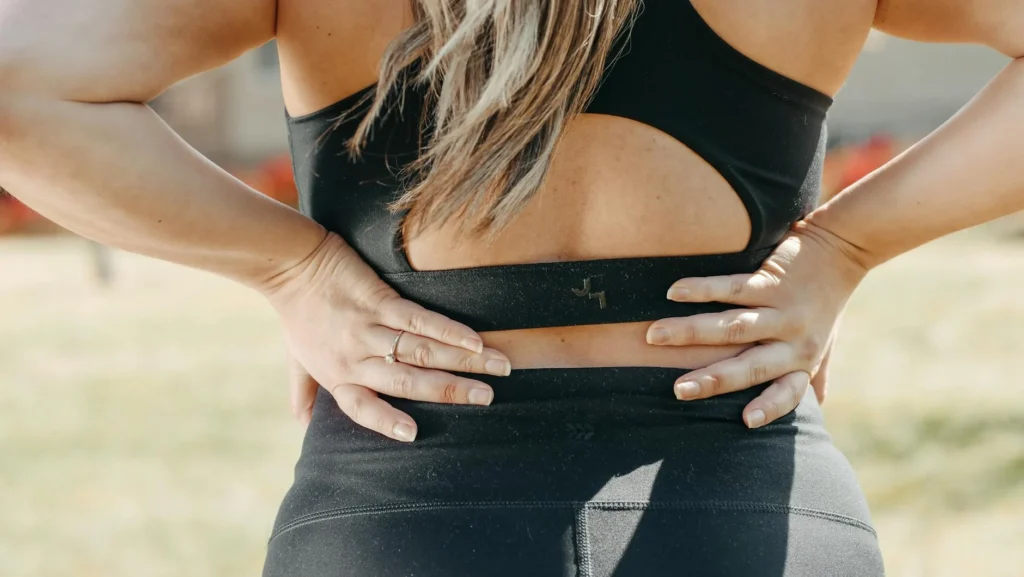
At 28 weeks, you’re officially entering your third trimester! Your baby is growing rapidly, gaining weight and length, which means your uterus is also expanding significantly. This expansion shifts your center of gravity, puts more pressure on your joints and ligaments, and can often lead to increased strain on your lower back and hips. Hormones like relaxin, which help loosen your ligaments in preparation for birth, can also contribute to this feeling of instability and discomfort.
Tips for Mom: Easing Aches & Pains
Finding ways to relieve back and hip pain can make a big difference in your daily comfort. Try incorporating some of these simple strategies:
Mind Your Posture
Good posture is key. Try to stand up straight, shoulders back and relaxed, and avoid slouching. When sitting, use a supportive chair or place a small pillow behind your lower back to maintain the natural curve of your spine. Keep your feet flat on the floor or propped up on a footrest. Avoid crossing your legs for long periods.
Gentle Movement & Stretching
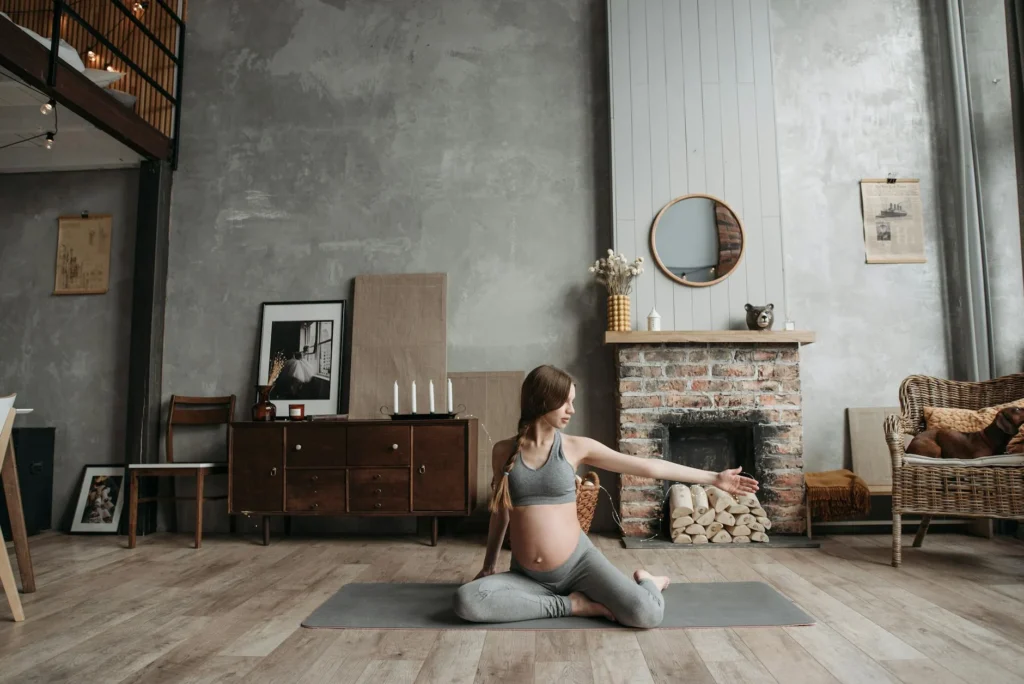
Staying active can help keep your muscles strong and flexible. Consider gentle activities like walking, prenatal yoga, or swimming. Simple stretches, such as pelvic tilts (rocking your pelvis forward and back while on hands and knees or standing) or cat-cow stretches, can help relieve tension. Always listen to your body and stop if anything feels painful.
Support Where You Need It
A maternity support belt can sometimes help alleviate pressure on your lower back by gently lifting your belly. For sleep, try sleeping on your side with a pillow between your knees and another supporting your belly. This helps align your hips and reduces strain on your back.
Heat and Cold Therapy
A warm bath or a heating pad on a low setting can soothe aching muscles in your lower back. Some find cold packs helpful for specific sore spots, especially around the hips. Experiment to see what brings you the most relief.
Comfortable Footwear
Choose low-heeled, supportive shoes that provide good arch support. Avoid high heels, which can alter your posture and exacerbate back pain.
Rest and Relaxation
Don’t underestimate the power of rest. Take breaks throughout the day, elevate your feet, and prioritize getting enough sleep. A little downtime can help your body recover from the day’s demands.
Simple Checklist
- Check your posture when standing and sitting.
- Engage in gentle, prenatal-approved exercises.
- Use supportive pillows for sleep.
- Consider a maternity support belt.
- Apply heat or cold as needed for comfort.
- Wear comfortable, supportive shoes.
- Schedule regular rest periods.

Frequently Asked Questions
Is back and hip pain normal at 28 weeks?
Yes, it’s very common! As your baby grows and your body prepares for birth, many pregnant individuals experience varying degrees of back and hip discomfort due to shifting weight, hormonal changes, and pressure on nerves and ligaments.
Can I still exercise if I have back pain?
Often, yes, and it can even help! Gentle exercises like walking, swimming, or prenatal yoga can strengthen core muscles and improve flexibility, which may reduce pain. However, always check with your healthcare provider to ensure your chosen activities are safe for you and your pregnancy, especially if your pain is significant.
When should I worry about back or hip pain?
While some discomfort is normal, severe pain, sudden onset of pain, pain accompanied by fever, vaginal bleeding, contractions, or unusual discharge should always prompt a call to your healthcare provider. They can assess your symptoms and rule out any serious conditions.
Note: Totals vary by provider, region, and part quality.
Images sourced from Pexels.