
What Happens This Week?
Welcome further into your second trimester! Many find this period, often called the ‘sweet spot’ of pregnancy, brings renewed energy and a bit more comfort. You might be feeling a sense of connection as your body continues its amazing transformation.
Your Little One’s Development
Around 16 weeks, your baby is growing steadily, perhaps now about the size of an avocado. Their skeleton is continuing to harden, and tiny muscles are developing. They’re practicing facial expressions, though still involuntary. Your baby’s ears are developing, which means they might start hearing muffled sounds from outside the womb, like your voice or your heartbeat. It’s a time of rapid growth and refinement for all their little systems.

Changes for You
For many, this is when the ‘baby bump’ starts to become more noticeable, though this varies greatly from person to person. You might be feeling more energetic than in your first trimester, and nausea may have subsided. Some common symptoms might include nasal congestion (due to increased blood flow), a glowing complexion, or even changes in hair and nail growth. It’s a time of visible changes and often, a feeling of growing excitement.

Tips for Mom: Moving Gently and Finding Your Flow
As your body adapts and grows, focusing on gentle movement and establishing a comforting daily rhythm can be incredibly beneficial. It’s all about nurturing yourself and your baby.
Gentle Movement
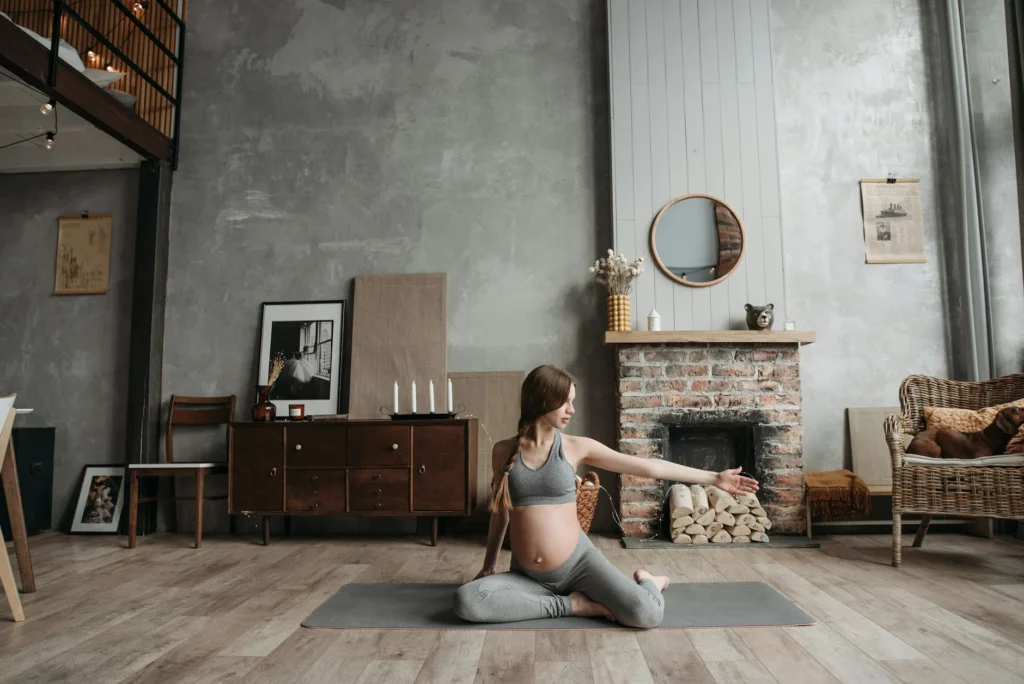
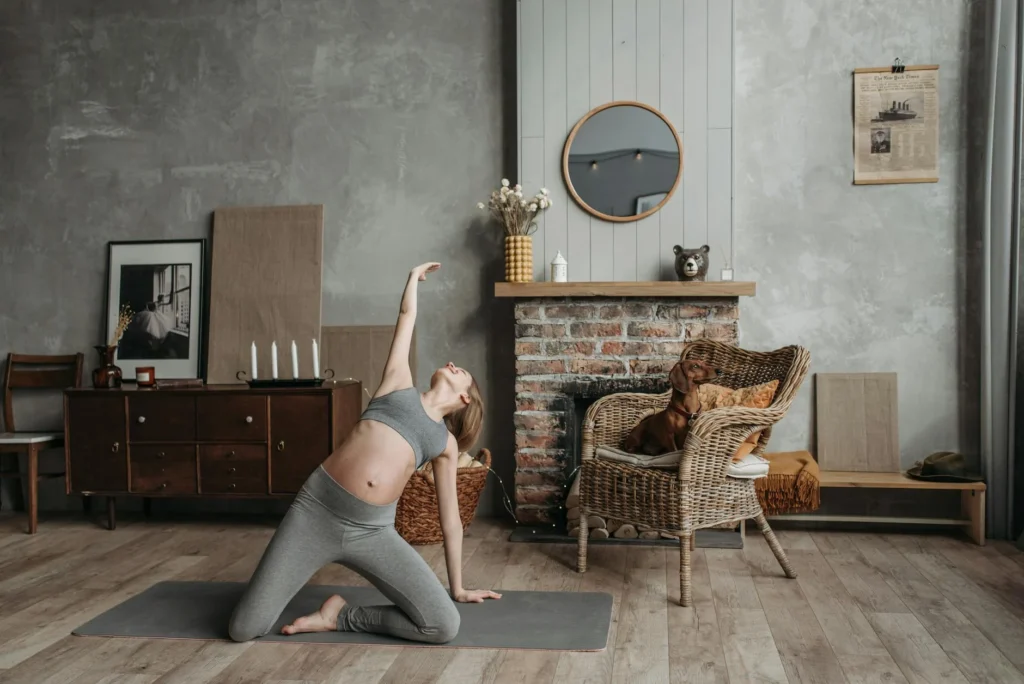
Staying active can boost your mood, improve sleep, and help prepare your body for childbirth. However, now is the time for gentle, low-impact activities. Consider daily walks in nature, swimming, or prenatal yoga. These activities can help with flexibility, circulation, and reducing general discomfort. Always listen to your body; if something feels uncomfortable, stop. Remember to stay well-hydrated, especially when exercising, and avoid getting overheated.
Cultivating a Daily Rhythm
Creating a predictable, nurturing routine can bring a sense of calm and control. This doesn’t mean a rigid schedule, but rather a flow that supports your well-being. Think about regular times for meals, rest periods, gentle movement, and connecting with loved ones. Prioritizing rest is key – your body is working hard. A consistent sleep schedule, even if broken by bathroom trips, can make a big difference in your energy levels.
Connecting with Your Body
Take moments each day to simply be present with your body and your baby. Gently placing your hands on your belly, noticing the changes, and talking to your baby can deepen your bond. This mindful practice is a beautiful way to acknowledge the incredible journey you’re on.
Simple Checklist for Your 16th Week
- Stay hydrated by drinking plenty of water throughout the day.
- Incorporate gentle movement into your routine, like walking or stretching.
- Prioritize rest and aim for consistent sleep.
- Eat nutrient-rich meals and snacks.
- Attend any scheduled prenatal appointments.
- Consider comfortable, supportive clothing as your body changes.
Frequently Asked Questions
Is it normal to feel baby move at 16 weeks?
While some people might feel very subtle fluttering, often described as ‘quickening,’ around 16 weeks, it’s also very common not to feel anything until 18-20 weeks or even later, especially for first-time parents. Every pregnancy is unique. If you haven’t felt anything yet, there’s generally no need to worry.
What kind of exercise is safe during the second trimester?
Most gentle, low-impact exercises are generally safe and beneficial. This includes walking, swimming, prenatal yoga, stationary cycling, and light strength training with appropriate modifications. It’s always best to discuss your exercise routine with your healthcare provider to ensure it’s suitable for your specific needs and circumstances.
Disclaimer: This information is for general knowledge and informational purposes only, and does not constitute medical advice. It is essential to consult with a qualified healthcare professional for any health concerns or before making any decisions related to your health or care. Always seek the advice of your doctor or other qualified health provider with any questions you may have regarding a medical condition.
Note: Totals vary by provider, region, and part quality.
Images sourced from Pexels.