
As your child navigates the exciting world of school at age 7, keeping their energy levels steady and their minds sharp is key. Snacks play a vital role, bridging the gap between meals and providing essential nutrients for learning and play. But what makes a great school snack? It should be easy to pack, delicious, and full of good stuff!
The Power of a Healthy Snack Plan

A simple rotation can take the guesswork out of daily packing. Aim for a balance of fruits, vegetables, whole grains, and protein. This variety ensures they get a wide range of nutrients, keeping boredom at bay too. Remember, school snacks should complement their main meals, not replace them.
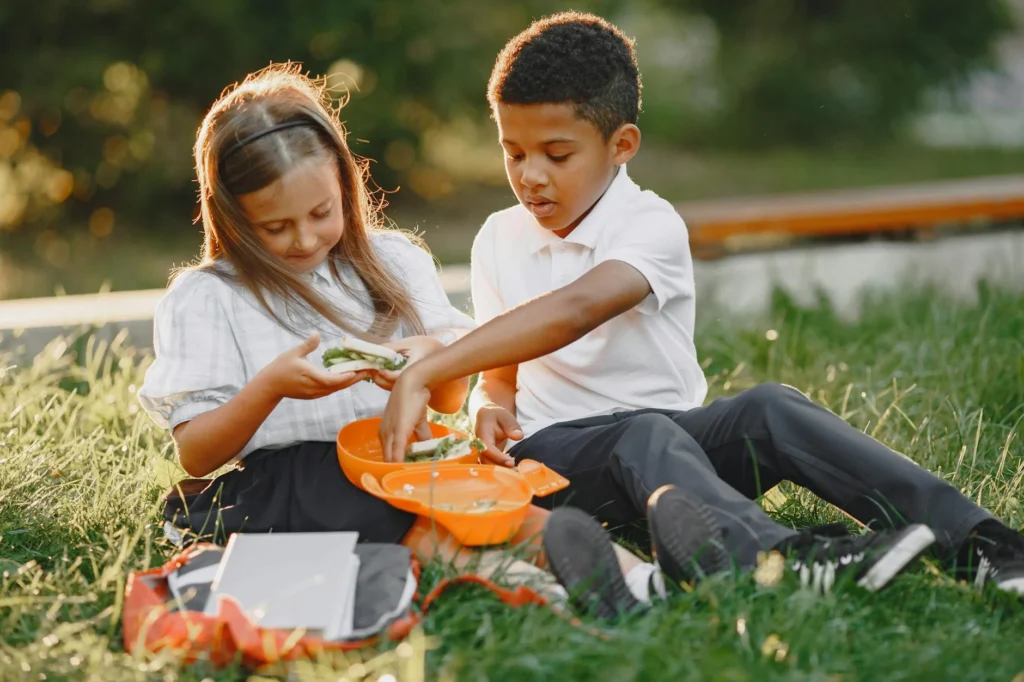
Snack Rotation Ideas for the School Week
Here’s a straightforward plan to inspire you:
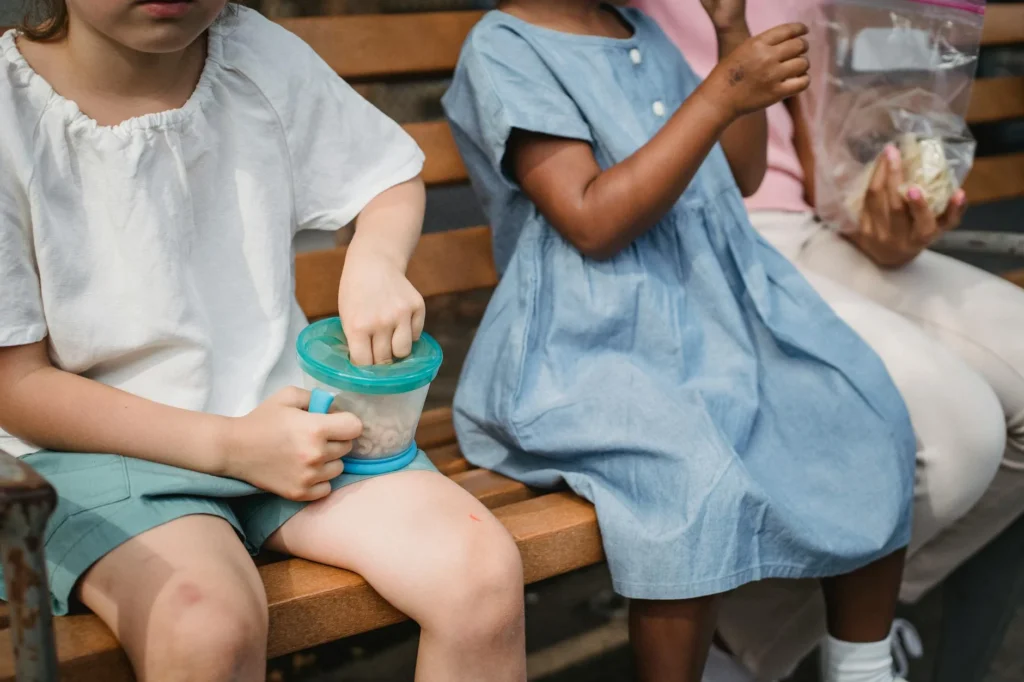
- Monday: Crunchy Veggie Delight
Think colorful! Carrot sticks, cucumber slices, bell pepper strips with a small container of hummus or a dollop of cream cheese. Crunchy textures are often a hit and provide valuable fiber to keep them feeling full.

- Tuesday: Fruity Fun & Dairy
An apple or pear (sliced to make it easier to eat), a small banana, or a handful of grapes. Pair it with a plain yogurt cup (you can add a sprinkle of cinnamon or a few berries at home) or a small cheese stick. Fruit offers natural sweetness and essential vitamins.
- Wednesday: Wholesome Grains & Spreads
Whole-wheat crackers with a small serving of peanut butter (if no school allergies), or a mini whole-grain bagel with cream cheese. A small homemade muffin (with reduced sugar) can also be a lovely option. These choices provide sustained energy throughout their school day.
- Thursday: Protein Punch
Hard-boiled eggs (peeled for convenience), a small handful of unsalted nuts or seeds (always check school policies regarding allergens!), or some lean turkey slices rolled up. Protein helps them feel satisfied and focused for longer periods.
- Friday: Leftover Love or A Little Something Special
Sometimes, a small portion of last night’s roasted sweet potato or a mini quesadilla works well. Or, consider a small portion of trail mix (again, minding nuts/allergies) or a small piece of fruit bread. The goal is still nourishment, even on Friday!
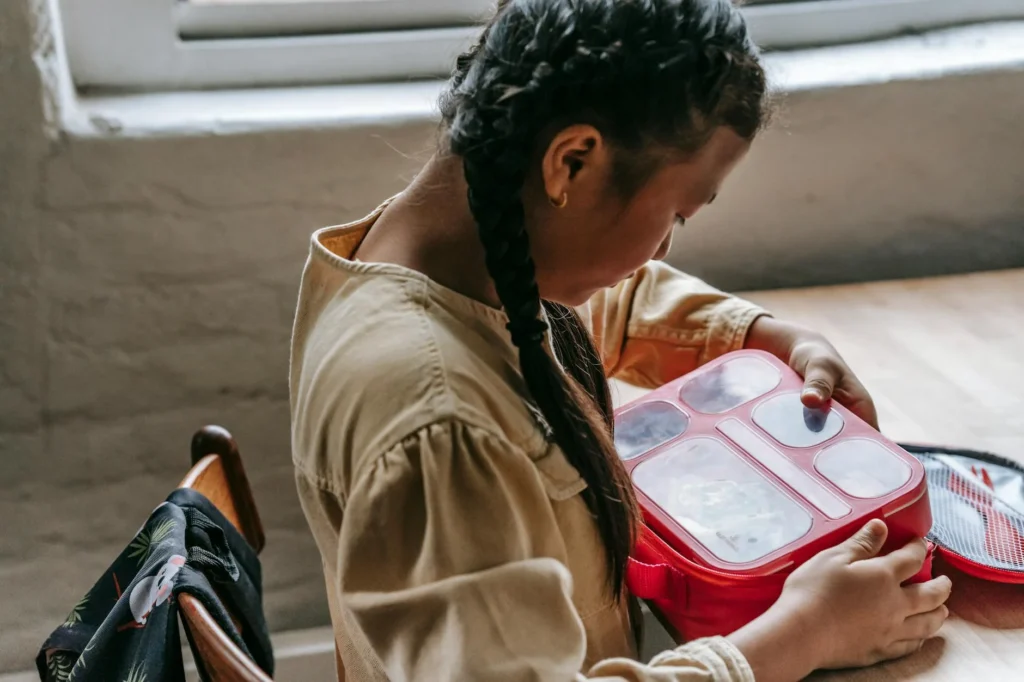
Tips for Snack-Packing Success
- Involve Your Child: Let them pick from approved healthy options. When they have a say, they’re more likely to eat what’s packed.
- Prep Ahead: Wash and chop veggies on Sunday. Portion out crackers or nuts. Hard-boil eggs. This saves precious morning time during busy school days.
- Hydration is Key: Always pack a reusable water bottle. Sometimes thirst is mistaken for hunger, and staying hydrated helps concentration.
- Keep it Cool: Use an insulated lunch bag with an ice pack, especially for perishable items like yogurt or cheese, to keep them fresh and safe.
- Limit Added Sugar and Salt: Focus on whole foods. Sweeten with fruit, flavor with herbs and spices rather than relying on processed snacks high in additives.
Important Health Information
Understanding your child’s dietary needs is a continuous journey. If you have concerns about your child’s weight, growth, or eating habits, or suspect food allergies or intolerances, please speak with your pediatrician or a registered dietitian. This information is intended for general guidance only and is not a substitute for professional medical advice. Always consult a healthcare professional for personalized health and dietary recommendations.
When introducing new foods, especially if your child has sensitivities or a family history of allergies, introduce them one at a time and observe for any reactions. For young children under one year, remember honey is not recommended due to the risk of infant botulism.
Note: Totals vary by provider, region, and part quality.
Images sourced from Pexels.