
Introducing new textures and flavors to your growing baby’s diet is an exciting journey! These baked veggie fritters are a fantastic way to offer a variety of nutrients in a convenient, baby-friendly format. They’re soft enough for little gums, perfect for tiny hands to grasp, and packed with goodness.
Who It Suits
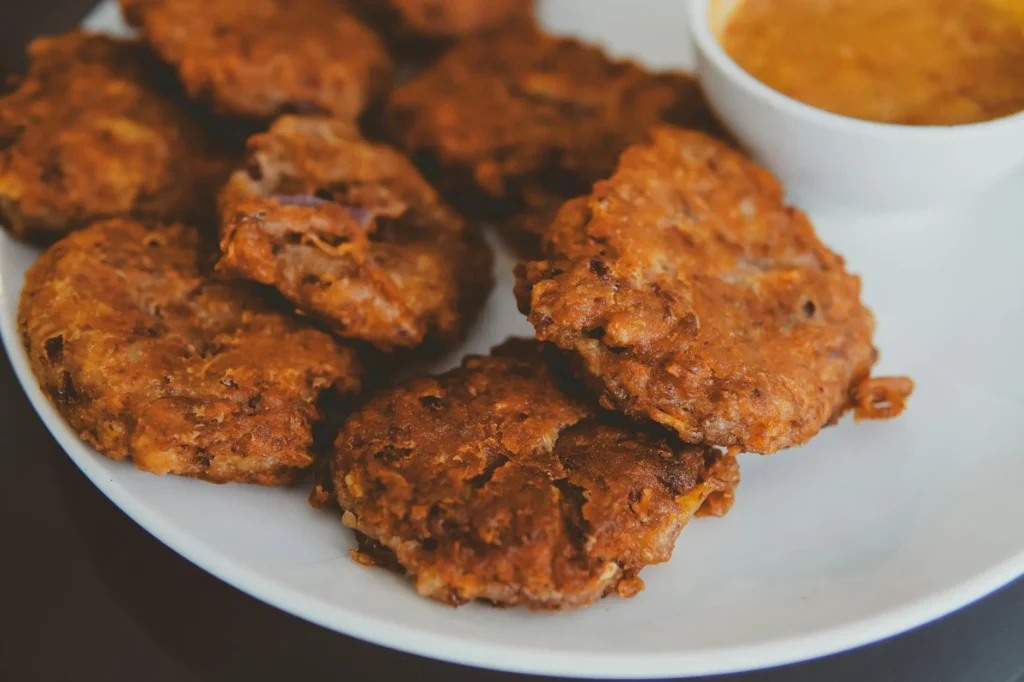
These fritters are ideal for babies around 10 months and older who are comfortable with solids and developing their pincer grasp. They make wonderful finger foods, helping your baby practice self-feeding skills and explore different textures. Plus, they’re a great way to sneak in extra vegetables, even for pickier eaters!

Ingredients
- 1 medium zucchini, grated and squeezed dry
- 1 medium carrot, grated
- 1/2 cup finely chopped spinach (or other leafy greens)
- 1/2 cup cooked and mashed sweet potato or butternut squash (optional, for extra sweetness and binding)
- 1/2 cup whole wheat flour (or gluten-free alternative)
- 1 egg, lightly beaten (see safety notes for egg allergies)
- 1-2 tablespoons milk (breast milk, formula, or unsweetened plant-based milk)
- 1 tablespoon olive oil or avocado oil, plus extra for greasing
- A pinch of mild herbs like dried oregano or dill (optional)
Steps
- Prep the Veggies: In a large bowl, combine the grated zucchini (make sure to squeeze out as much water as possible!), grated carrot, and chopped spinach. If using, add the mashed sweet potato or squash.
- Mix Wet Ingredients: In a separate small bowl, whisk together the egg and milk.
- Combine: Pour the wet ingredients into the veggie mix. Add the flour and optional herbs. Mix gently until just combined. Be careful not to overmix. The mixture should be thick enough to hold its shape. If it feels too wet, add a little more flour; if too dry, add a tiny bit more milk.
- Shape the Fritters: Lightly grease a baking sheet or line with parchment paper. Take small spoonfuls of the mixture and gently flatten them into disc shapes, about 2 inches in diameter and 1/2 inch thick.
- Bake: Preheat your oven to 375°F (190°C). Bake the fritters for 15-20 minutes, flipping them halfway through, until they are golden brown and cooked through. They should feel firm to the touch.
- Cool: Let the fritters cool completely on a wire rack before serving to your baby. This helps them firm up and prevents burns.
Storage & Serving
Once completely cooled, these fritters can be stored in an airtight container in the refrigerator for up to 3 days. For longer storage, freeze them in a single layer on a baking sheet, then transfer to a freezer-safe bag or container for up to 1 month. Thaw in the refrigerator overnight and reheat gently in the oven or microwave until warm. Always check the temperature before offering to your little one.

Serve them plain as a finger food, or with a small dollop of plain, unsweetened yogurt or a homemade sugar-free tomato sauce for dipping.
Safety Notes
Honey, Salt, and Sugar
Never give honey to babies under 1 year of age due to the risk of infant botulism. For this recipe and generally for babies, avoid adding extra salt or sugar. Their tiny kidneys aren’t fully developed to handle excess salt, and sugar offers no nutritional benefit. The natural sweetness from vegetables like carrots and sweet potato is perfect.
Allergies
When introducing new foods, especially common allergens like egg or wheat flour, it’s a good practice to offer them one at a time and wait a few days before introducing another new food. This helps you identify any potential reactions. If your baby has known allergies or you suspect one, always consult with your pediatrician before introducing new foods.
Choking Hazards
Always supervise your baby closely during meal times. Ensure the fritters are soft enough for your baby to manage and cut them into appropriate, manageable pieces if needed. Always serve food in a way that is safe for your baby’s age and developmental stage.
General Health Disclaimer
This information is for general guidance only and is not a substitute for professional medical advice. Always consult your healthcare provider for any health concerns or before making changes to your baby’s diet, especially concerning allergies, specific dietary needs, or if your baby shows any signs of discomfort or illness after eating. If you notice any signs of a severe allergic reaction (like difficulty breathing, swelling of the face or mouth, hives all over the body), seek immediate medical attention.
Note: Totals vary by provider, region, and part quality.
Images sourced from Pexels.