
Your little one is growing so fast, and soon, you might be thinking about introducing solid foods! While most babies are ready for solids between 4 and 6 months, every child develops at their own pace. Getting your kitchen organized and ready can make this exciting new chapter much smoother for both you and your baby.
Getting Ready for Solids: What Changes Now?
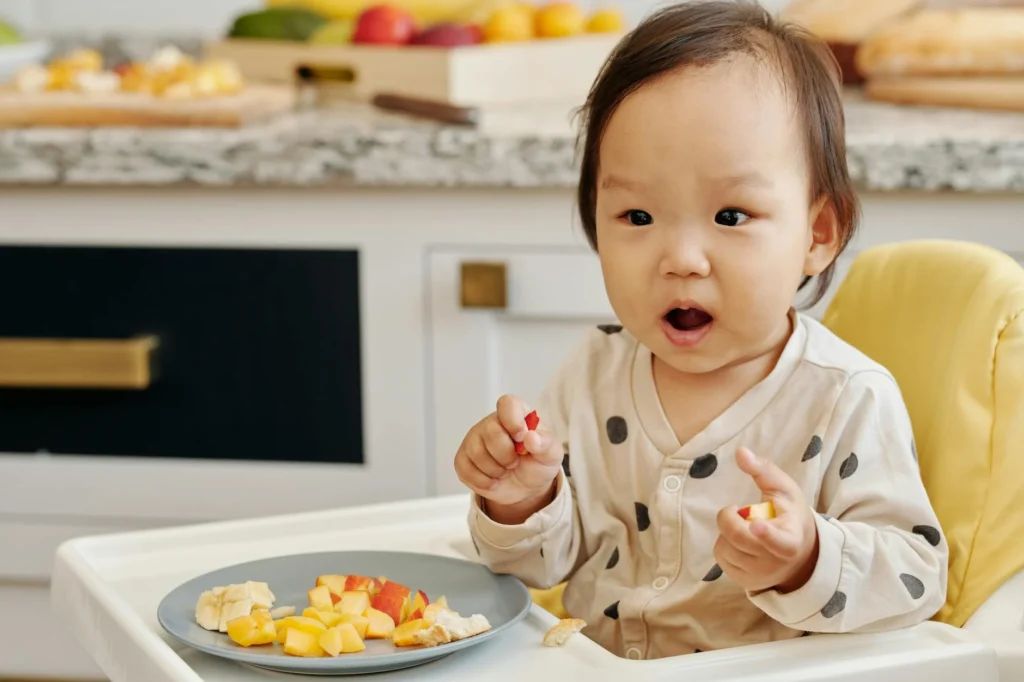
Around 5 months, you might start noticing signs your baby is becoming more interested in food. These can include showing good head and neck control, sitting up with support, opening their mouth when food comes their way, and showing curiosity about what you’re eating. These are all clues that solids might be on the horizon. This isn’t about rushing into it, but rather preparing your space for when your baby gives the clear signals.
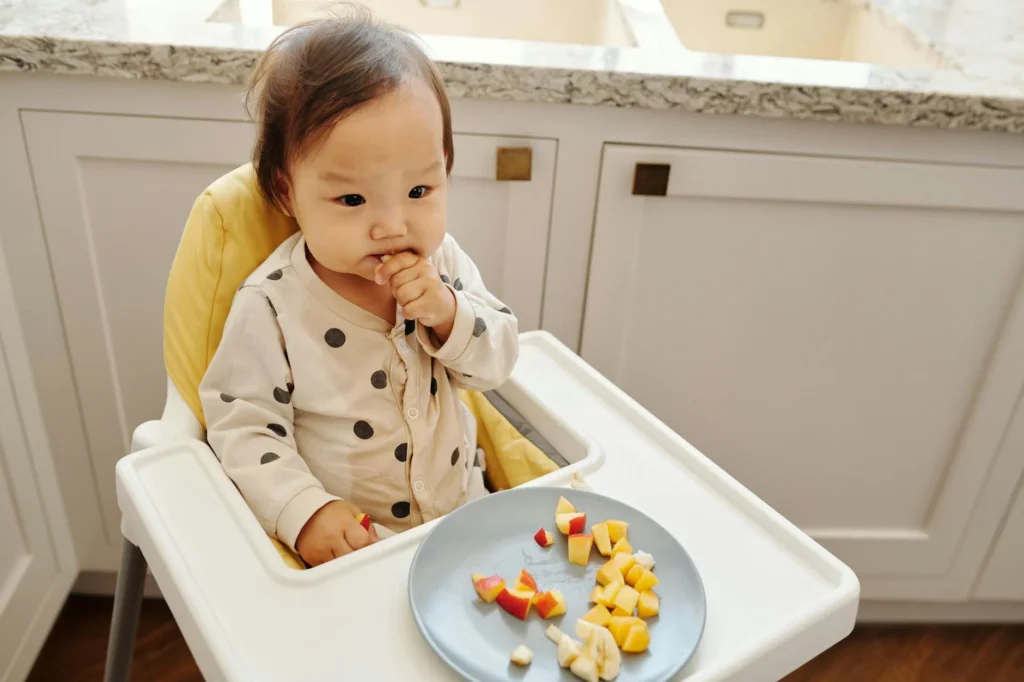
Introducing solids is a journey of discovery, not just for taste, but for textures and independent eating. Thinking ahead about your kitchen setup can help reduce stress and ensure you have everything you need when that first spoonful is ready.
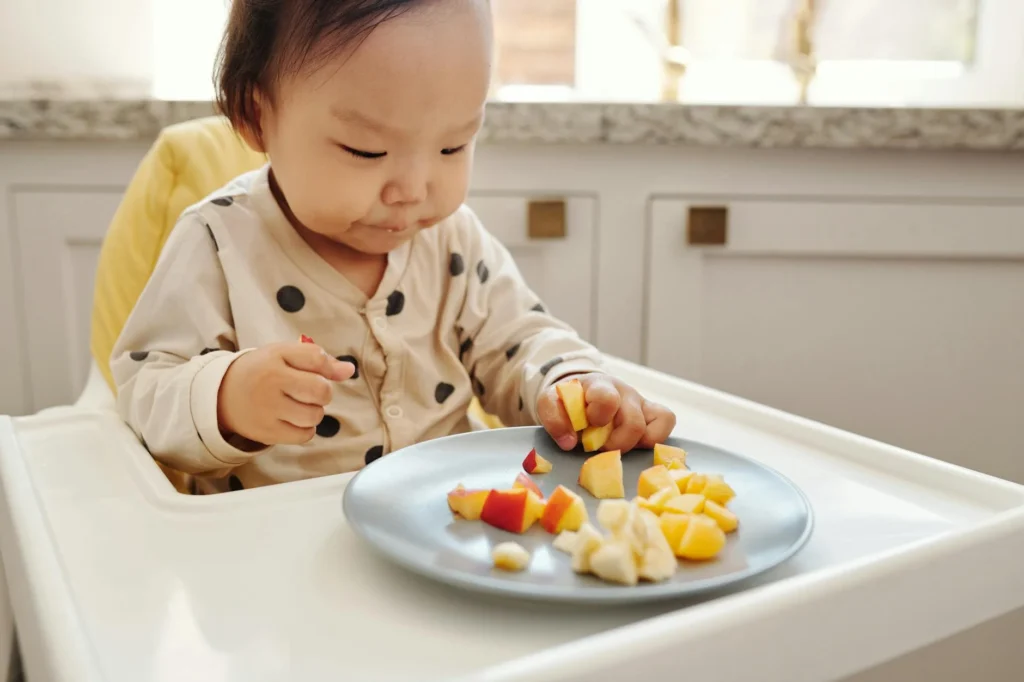
Kitchen Prep for Feeding Solids
Imagine your kitchen as the new command center for tiny meals. A little organization now goes a long way. Consider dedicating a specific, easily accessible cabinet or drawer for all things baby food. This could house their bowls, spoons, bibs, and any small food containers.
Think about your counter space. Will you be making purees or simply mashing? Having a clear, clean area to prepare baby’s meals, away from daily clutter, can make the process feel less chaotic. If you plan to batch cook, clearing a larger section of the counter or table beforehand will be a big help.
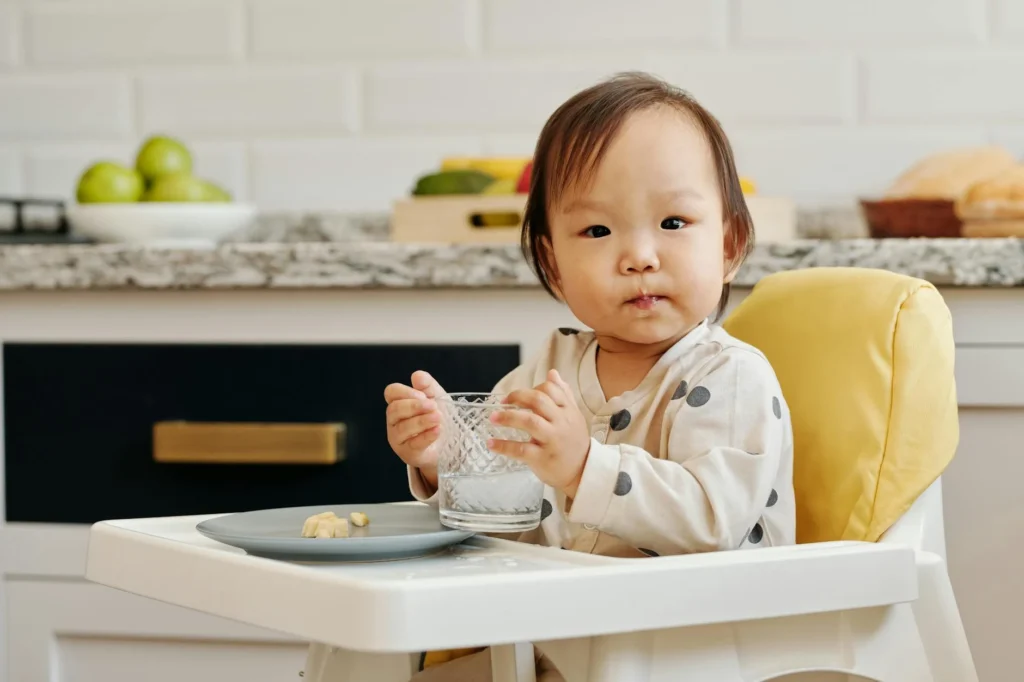
Essential Gear & Storage
- High Chair Placement: Choose a spot for the high chair that’s easy to clean around (because messes will happen!). Ensure it’s stable and safe.
- Feeding Tools: Soft-tipped baby spoons, small baby bowls, and easy-to-clean bibs are must-haves.
- Food Storage: If you’re making your own purees, ice cube trays are fantastic for freezing small portions. Once frozen, pop them into freezer-safe bags or containers. Small, airtight containers are also great for refrigerated portions or for carrying snacks on the go.
- Cleaning Supplies: Keep a dedicated sponge or brush for baby dishes, and mild, baby-safe dish soap close by. Having cloths or wipes handy for quick clean-ups during and after meals will save you time and effort.
Safety First in the Kitchen
As your baby becomes more mobile, kitchen safety becomes even more critical. Here are a few points to keep in mind:
- Baby-Proofing: Secure cabinet doors and drawers, especially those containing cleaning products, sharp objects, or heavy items. Keep cleaning supplies, medications, and any toxic substances out of reach and sight.
- Hot Surfaces: Ensure your baby can’t reach stovetops, ovens, or hot liquids. Cook on back burners when possible.
- Food Temperature: Always check the temperature of food before offering it to your baby. It should be lukewarm, not hot.
- Food Safety & Allergens: Introduce new foods one at a time, waiting a few days before introducing another new food. This helps you identify any potential allergic reactions.
- No Honey Under One Year: Honey can contain spores that cause infant botulism, a serious illness, so avoid giving it to babies under 12 months old.
- Avoid Salt and Sugar: Your baby’s kidneys aren’t ready to process added salt, and added sugar offers no nutritional benefit. Keep baby’s food plain and natural.
Disclaimer: This information is for general guidance only and is not a substitute for professional medical advice. Always consult with your pediatrician or a qualified healthcare professional regarding your baby’s specific health, development, and dietary needs.
Tiny Habits That Help
Incorporating a few small habits can make feeding solids less daunting:
- Meal Planning: Even a simple plan for the week’s baby food can reduce last-minute stress.
- Prep Time: Designate a short window a couple of times a week for batch cooking or preparing ingredients.
- Involve Your Baby: If safe, let your baby sit in their high chair nearby while you prepare food. This can be a great sensory experience and helps them connect with mealtime.
Short FAQ
Q: When should I actually start solids?
A: Most babies are ready for solids between 4 and 6 months. Look for developmental signs like good head control, sitting with support, showing interest in food, and losing the tongue-thrust reflex. Always discuss with your pediatrician before starting.
Q: What foods should I start with?
A: Single-grain, iron-fortified baby cereal mixed with breast milk or formula is a common first food. Soft, mashed single-ingredient purees like sweet potato, banana, or avocado are also great choices. Introduce one new food at a time.
Q: How do I store homemade baby food?
A: Cooked and pureed baby food can be stored in the refrigerator for up to 2-3 days. For longer storage, freeze portions in ice cube trays. Once frozen, transfer the cubes to freezer-safe bags or containers and use within a few weeks to a month for best quality.
Note: Totals vary by provider, region, and part quality.
Images sourced from Pexels.