
Unlocking Imagination: Pretend Play Ideas for Toddlers

Toddlers are natural explorers, and between the ages of two and three, their world expands rapidly through the magic of pretend play. This isn’t just about fun and games; it’s a vital part of their growth, helping them make sense of the world around them and develop crucial skills. Dive into the wonderful world of make-believe with your little one!
Why Pretend Play Matters So Much
More than just adorable moments, pretend play is a powerhouse for development. It helps children:
- Develop Language and Communication: They experiment with words, practice conversations, and tell stories, building their vocabulary and narrative skills.
- Boost Social and Emotional Skills: Toddlers learn to share, take turns, understand different roles, and express a range of emotions in a safe space.
- Foster Creativity and Problem-Solving: They invent scenarios, adapt to challenges, and use their imagination to transform everyday objects into anything they desire.
- Enhance Cognitive Abilities: They practice sequencing, understand cause and effect, and remember details from real-life experiences.
- Build Empathy: Stepping into someone else’s shoes (or a doll’s, or a pet’s) helps them understand different perspectives and feelings.
Great Pretend Play Ideas for Your Little One
There’s no limit to a toddler’s imagination, but here are some popular ideas to spark their creative spirit:

1. Home Sweet Home Adventures
- Cooking & Cleaning: Set up a play kitchen with toy food, pots, and pans. Your child can “cook” for you, wash dishes, or sweep the floor with a child-sized broom.
- Baby Care: A doll, some blankets, and a toy bottle can inspire hours of nurturing play. They’ll love feeding, rocking, and putting their “baby” to sleep.
- Laundry Day: Give them a small basket and some clean socks to “wash” and fold.
2. Community Helpers & Role Play
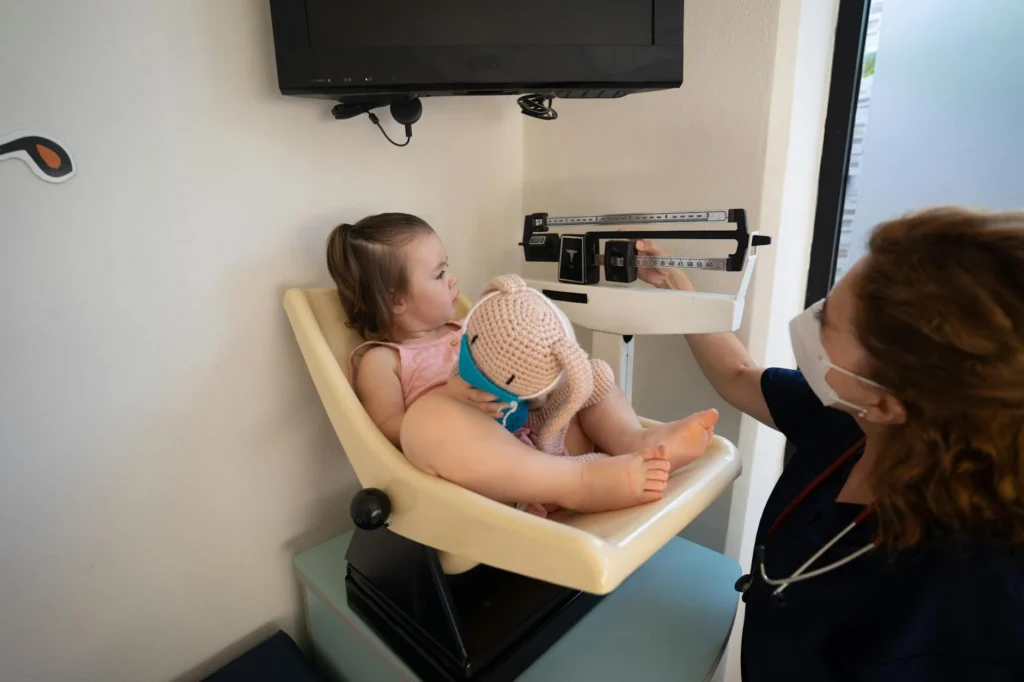
- Doctor or Vet: A toy medical kit allows them to check your heartbeat, give shots to stuffed animals, or tend to a “sick” doll. This can also help them process their own doctor visits.
- Shopkeeper: Use empty food containers, a toy cash register, and some play money. They can be the customer or the person running the store.
- Firefighter/Police Officer: Simple dress-up items like a hat can transform them into a community hero, rushing to save the day.
3. Travel & Adventure
- Road Trip: Turn a cardboard box into a car or train. Add some cushions for seats and pretend to drive to the beach or grandma’s house.
- Camping Indoors: A blanket fort becomes a tent, and flashlights make for exciting “campfires.”
- Animal Kingdom: Encourage them to mimic animal sounds and movements, creating their own zoo or jungle adventure.
Setting the Stage for Engaging Play
You don’t need fancy toys to encourage rich pretend play. Here’s how you can help:

- Provide Open-Ended Props: Scarves, cardboard boxes, old clothes, plastic containers, and stuffed animals are fantastic. They can be anything your child imagines.
- Be Present, But Don’t Direct: Sit down and join their world. Ask open-ended questions like, “What are we making for dinner?” or “Where are we going on our adventure?” Let them lead the story.
- Follow Their Lead: Watch what interests them. If they keep pretending to feed a teddy bear, lean into that theme.
- Keep it Simple: Less is often more. A few well-chosen props can spark more creativity than a room full of specific toys.
When to Connect with a Professional
Most toddlers naturally engage in some form of pretend play. However, if you notice consistent patterns that concern you, it’s always a good idea to speak with your child’s healthcare provider. These might include:
- A significant lack of interest in imaginative play or interacting with others.
- Major delays in language development.
- Difficulty understanding or responding to social cues.
- Any other developmental concerns you may have.
Disclaimer: This information is for general guidance only and is not a substitute for professional medical advice. Always consult with a qualified healthcare provider for any health concerns or before making any decisions related to your child’s health or development.
Common Questions About Pretend Play
How can I encourage my child if they don’t seem interested?
Start small and join in! Instead of asking them to pretend, just model it. You could say, “My teddy bear looks hungry, I think I’ll make him a snack!” and see if they join you. Offer simple props, read books about imaginative play, and visit places where they can observe others playing, like a park or playgroup.
What kind of props are best for pretend play?
The best props are often everyday items that can be used in multiple ways. Think old cell phones (no batteries!), scarves, blankets, empty food boxes, plastic dishes, measuring cups, and dress-up clothes. These items allow children to assign their own meaning and foster greater creativity.
Note: Totals vary by provider, region, and part quality.
Images sourced from Pexels.