
Watching your little one begin to communicate, from their first babbles to their joyful words, is an incredible journey. Language development is a cornerstone of your child’s growth, impacting everything from their social skills to their ability to express their needs and feelings. The good news? You don’t need fancy toys or special lessons to encourage this vital skill. Everyday interactions and playful moments are often the most powerful tools.
Why Everyday Language Games Matter
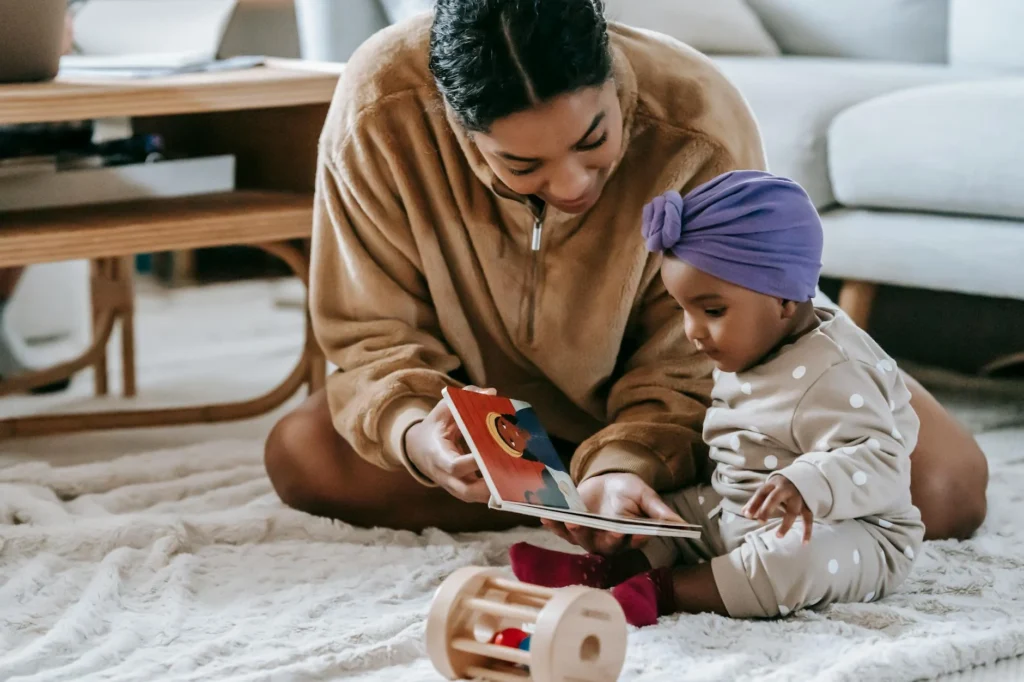
From the moment they’re born, babies are soaking up the world around them, especially the sounds and rhythms of language. Engaging in simple, daily language games does more than just teach words; it helps build critical brain connections. It teaches them about turn-taking in conversations, the connection between words and objects, and how to express themselves. These moments foster a strong bond between you and your child, making learning a joyful experience.
Simple Daily Games to Support Language Development
Incorporating language-rich play into your daily routine is easier than you might think. Here are some everyday activities that turn into powerful language boosters:
1. Chatty Chores & Narrate Your Day
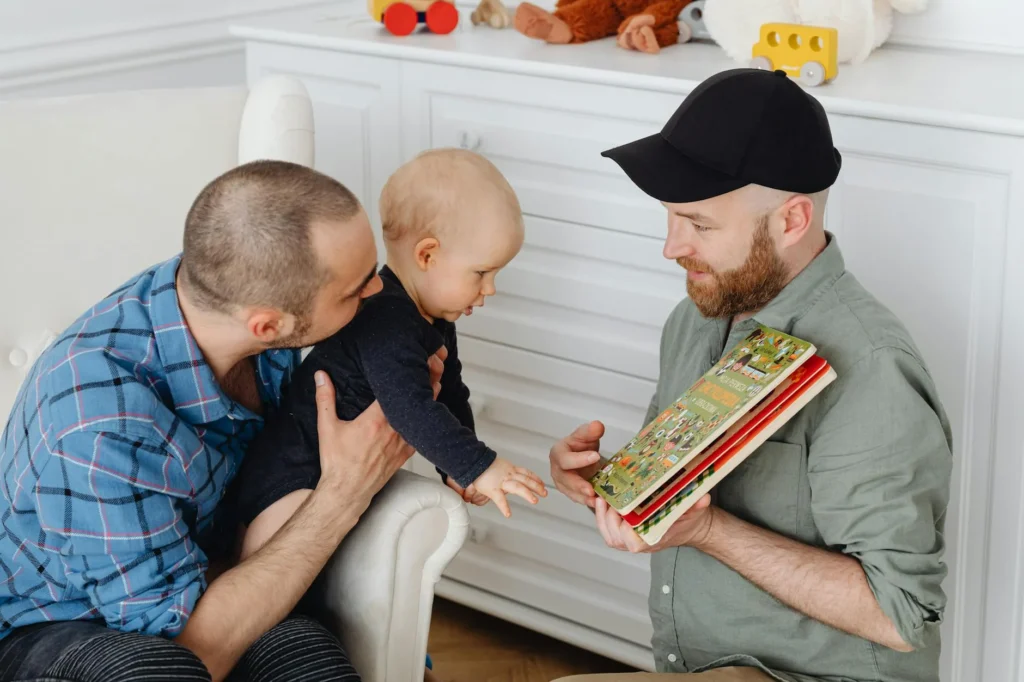
Talk about what you’re doing, even if it feels like you’re talking to yourself. “I’m putting on your socks now – one blue sock, and now the other blue sock!” “Let’s wash the dishes. Splash, splash goes the water!” Describing actions, objects, and feelings in simple sentences helps your child connect words to their experiences.
2. The Name Game
Point to objects, people, and body parts throughout the day and name them. “That’s a ball!” “Here’s your nose!” “Look, Daddy!” Pause after you name something to give your child a chance to respond with a sound, a gaze, or eventually, a word. As they get older, you can ask, “Where’s the teddy bear?”
3. Sing-Alongs & Rhyme Time
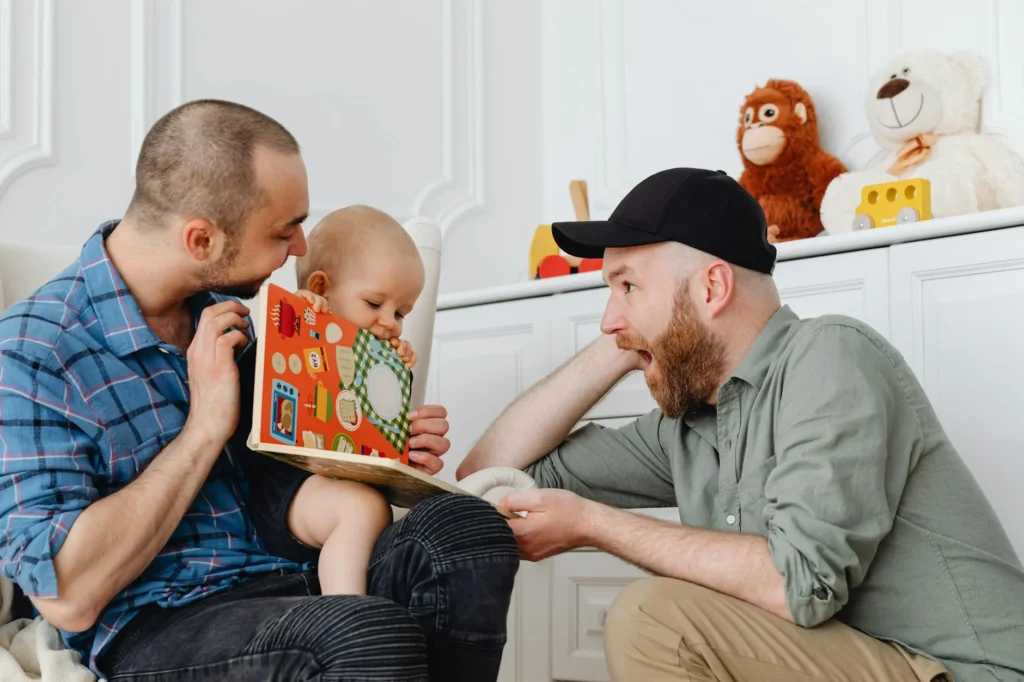
Nursery rhymes, simple songs, and even just humming a tune are fantastic for language development. The rhythm and repetition help children hear the distinct sounds in words, build memory, and enjoy the musicality of language. Make up silly songs about your day or sing classic favorites.
4. Story Time Fun
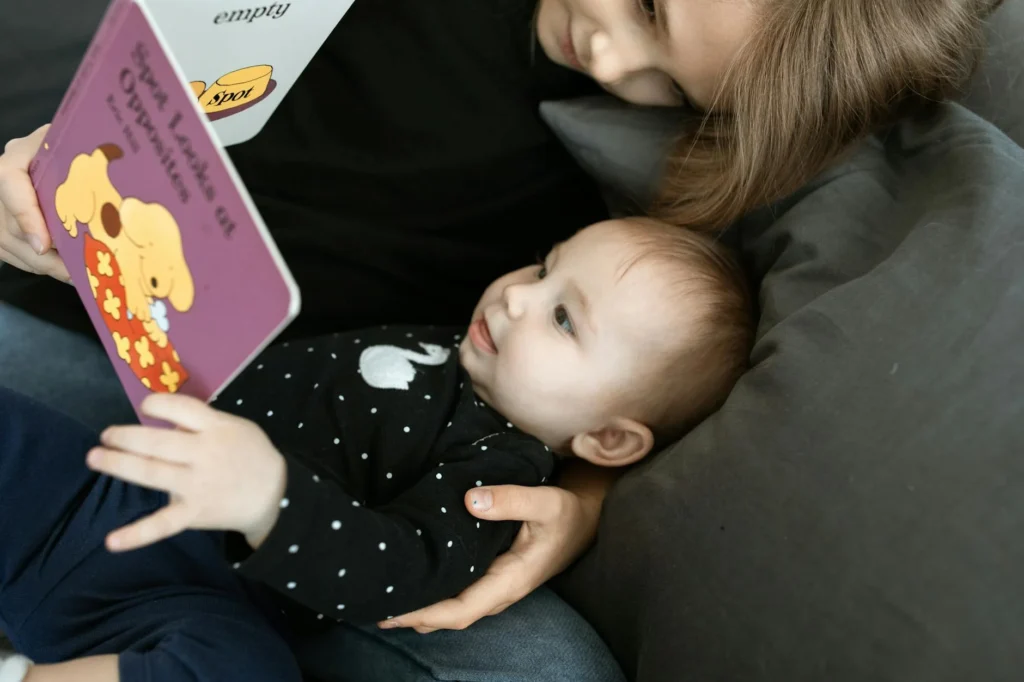
Reading together, even for just a few minutes, is incredibly powerful. Point to pictures and name them, ask simple questions like “What’s the doggie doing?” or make animal sounds. You don’t always have to read the exact words; describing what you see on the page and engaging your child in the story is the goal.
5. Sound Safari
Imitate sounds you hear: animal sounds (moo, oink), vehicle sounds (vroom, beep), or even silly sounds you make together. Encourage your child to imitate you. This helps them practice making sounds and connects sounds to specific objects or actions.
6. Emotion Exploration
Talk about feelings as they happen. “You look sad because your block tower fell.” “Are you happy to see Grandma?” Naming emotions helps children develop emotional literacy and gives them words to express their inner world.
7. Follow My Lead: Simple Instructions
Give simple, one or two-step instructions. “Clap hands!” “Wave bye-bye!” “Give me the bear.” This helps them understand words related to actions and objects, and encourages them to respond.
When to Seek Guidance
Every child develops at their own pace, and there’s a wide range of normal when it comes to language milestones. However, if you notice any of the following, it’s a good idea to chat with your pediatrician:
- Lack of babbling or gestures by 12 months.
- Not responding to their name by 12 months.
- Not using single words by 16 months.
- Not combining two words by 24 months.
- Difficulty understanding simple instructions.
- Loss of any language skills they once had.
Your pediatrician can offer reassurance, guidance, or recommend a specialist if needed.
Disclaimer: This article provides general information and is not intended as medical advice. Always consult with a qualified healthcare professional for any health concerns or before making any decisions related to your child’s health and development.
Note: Totals vary by provider, region, and part quality.
Images sourced from Pexels.