
Why Independent Play is a Big Deal for Your 21-Month-Old

As your little one approaches two years old, they’re not just growing physically; their minds are buzzing with curiosity and a budding sense of self. Independent play, where your toddler engages with toys or their environment on their own, is a cornerstone of this growth. It’s not about leaving them alone all the time, but about creating space for them to explore, problem-solve, and develop their imagination without constant adult direction.
Think of it as their first real venture into self-directed learning. During independent play, toddlers learn to focus, build concentration, express creativity, and even cope with mild frustration – all vital skills for their development. It also gives you, the parent, a moment to breathe or tackle a small task nearby, knowing your child is happily and safely engaged.

Setting the Stage for Solo Fun: A Step-by-Step Guide
Encouraging independent play isn’t always instant, but with a gentle approach, you can help your 21-month-old discover the joy of playing by themselves.
Step 1: Create a Safe & Inviting Play Zone
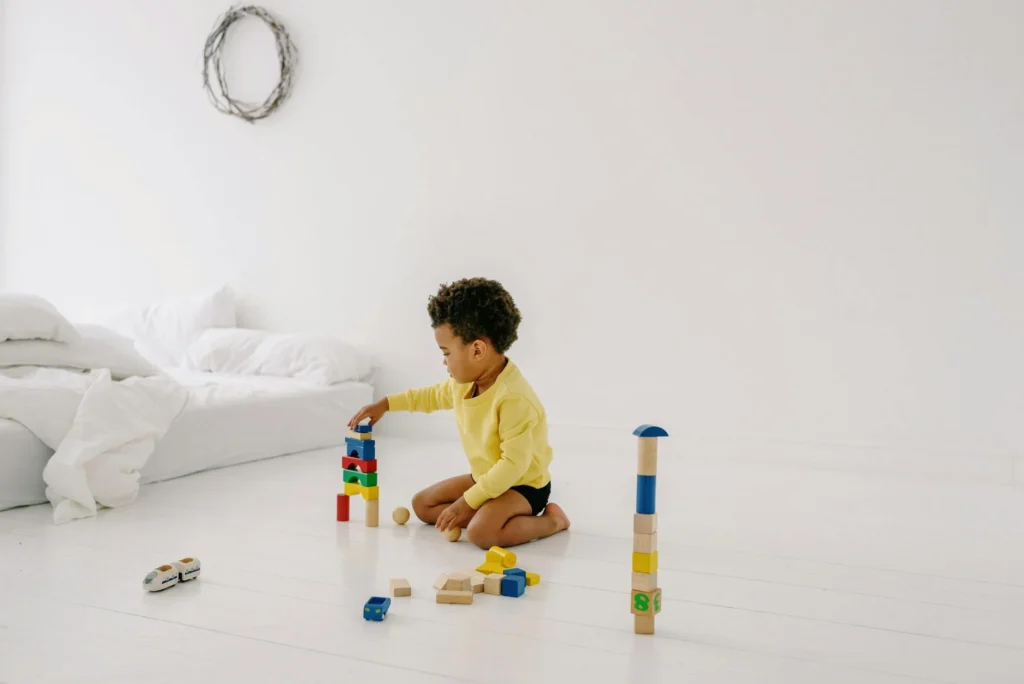
Designate a specific area in your home as the ‘yes’ space. This should be thoroughly child-proofed, meaning no sharp corners, loose cords, or small choking hazards. Stock it with a select few age-appropriate toys that encourage open-ended play – think blocks, shape sorters, sturdy books, or simple puzzles. A sense of safety and predictability helps them relax and explore.
Step 2: Less is More: Curate Toy Choices
Instead of overwhelming your toddler with a mountain of toys, try a toy rotation. Offer 3-5 interesting items at a time. Too many options can be distracting and lead to them flitting from one thing to another without true engagement. When they seem bored, swap out a couple of toys for new ones from your ‘stashed’ collection.
Step 3: Model and Initiate Play Together
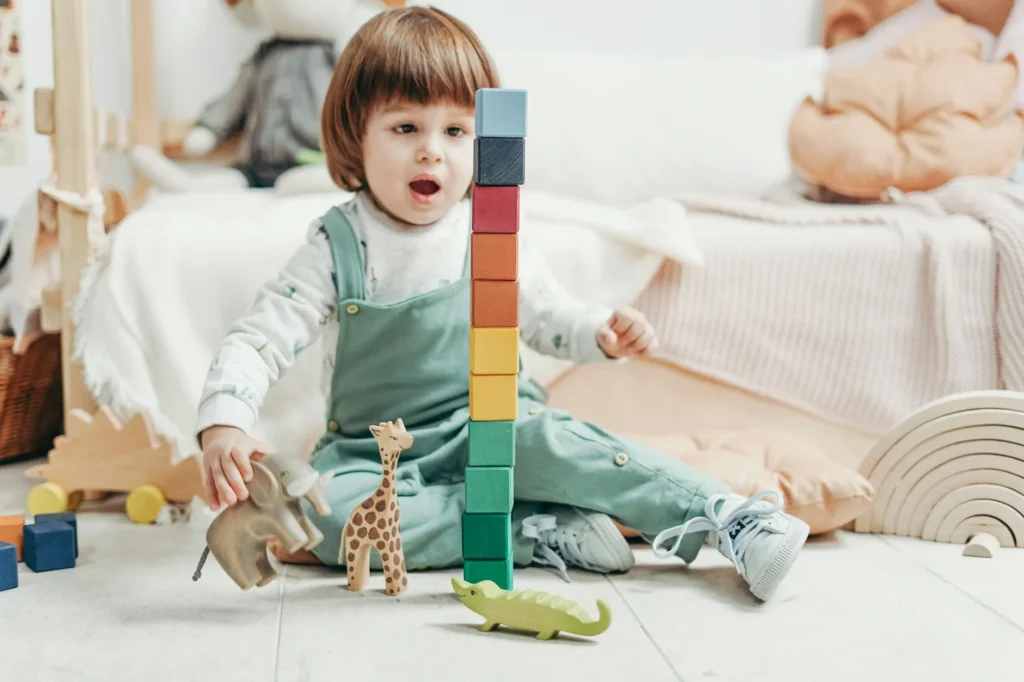
Start by sitting down with your toddler and showing them how to engage with a toy. Stack blocks, make animal noises with a figure, or ‘read’ a book. Play together for a few minutes, then slowly begin to withdraw. Move a little further away, stay quiet, and let them take the lead. You’re showing them ‘how to play’ before stepping back.
Step 4: Set the Expectation, Then Step Back
Before you disengage, tell your toddler what you’re doing. “Mommy is going to sit over here while you play with your blocks. I’ll be right here.” Then, physically move away. Stay within sight and earshot, but resist the urge to jump in and direct their play. Your presence is reassuring, but your non-interference is empowering.
Step 5: Embrace the Quiet and Let Them Problem-Solve
It can be tempting to intervene the moment your child pauses, looks around, or struggles slightly. However, these moments are crucial for developing focus and resilience. Give them a few minutes to figure things out on their own. Sometimes, a quiet hum or a brief glance from you is all the encouragement they need to continue.
Step 6: Respect Their Play (Don’t Interrupt Unless Necessary)
If your child is deeply engaged, try not to interrupt them for non-essential reasons. Let them finish their ‘project’ or complete their thought process. Interruptions can break their concentration and make it harder for them to get back into the flow of independent play.
Step 7: Start Small and Build Up
Don’t expect your 21-month-old to play independently for an hour right away. Begin with just 5-10 minutes. As they become more comfortable and confident, you can gradually extend these periods. Celebrate their small successes and acknowledge their efforts.
Step 8: Consistency is Key
Try to incorporate independent play into your daily routine. Maybe it’s while you’re preparing a meal, or during a specific quiet time of day. Regular exposure helps them understand what’s expected and builds the skill over time.
When to Seek Professional Guidance
Most toddlers develop independent play skills at their own pace. However, if you have concerns about your child’s overall development, including their engagement with play, their ability to focus, or their social interactions, it’s always a good idea to speak with a healthcare professional. They can offer personalized advice and guidance.
Disclaimer:
This information is for general guidance only and is not a substitute for professional medical advice, diagnosis, or treatment. Always seek the advice of your physician or other qualified health provider with any questions you may have regarding a medical condition or the health and development of your child.
Note: Totals vary by provider, region, and part quality.
Images sourced from Pexels.