
Hello, 23 Weeks! Your Baby’s World of Play
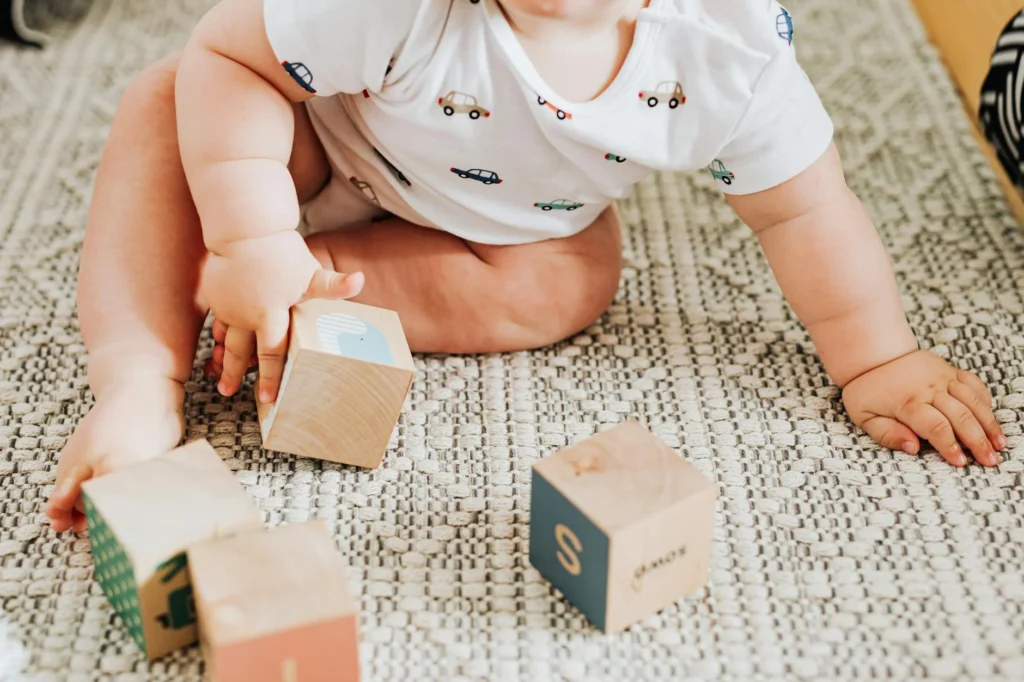
At 23 weeks, your baby is a little explorer, becoming increasingly aware of their surroundings and developing incredible new skills. They might be reaching and grasping with more intention, exploring objects by mouthing them, and even showing early signs of sitting with support. This growing curiosity makes it a perfect time to think about how you present toys to keep them engaged without becoming overwhelmed.
Understanding Toy Rotation: Less is More
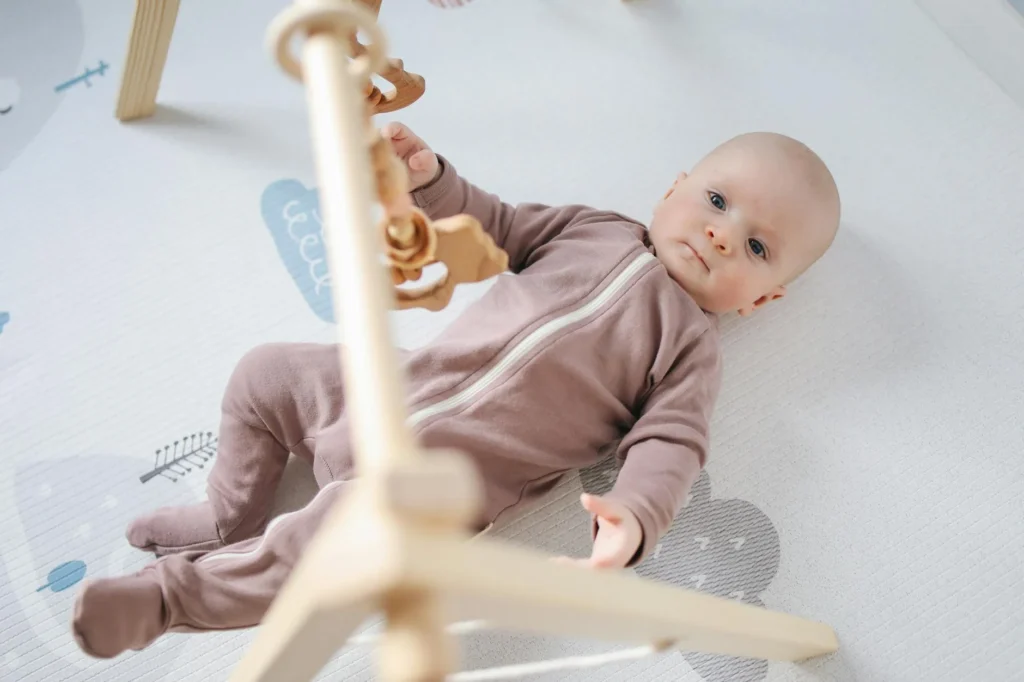
Toy rotation isn’t just about tidiness; it’s a powerful tool for enhancing your baby’s playtime and development. Instead of having all toys available at once, you offer a curated selection, keeping the rest stored away. This simple practice can make a big difference.
Why Rotate Toys?
- Deeper Engagement: When fewer toys are available, babies tend to focus more intensely on each item, exploring its features thoroughly.
- Prevents Overstimulation: A cluttered play area can be overwhelming. A calm, organized space helps your baby concentrate.
- Renews Interest: Putting toys away for a while makes them feel new and exciting when reintroduced.
- Encourages Creativity: With fewer options, babies might find new ways to interact with familiar items.
- Less Clutter: A huge bonus for parents!
How to Implement Toy Rotation
- Gather All Toys: Collect every toy your 23-week-old owns.
- Categorize & Select: Choose a small handful of toys – perhaps 3-5 – that offer different textures, sounds, and purposes. Think about what skills your baby is working on (grasping, mouthing, cause-and-effect).
- Store the Rest: Place the ‘out of rotation’ toys in a bin or basket, out of sight but easily accessible to you.
- Introduce: Present the chosen toys in your baby’s play area.
- Rotate: Swap out a few toys every few days, or whenever you notice your baby’s interest in the current selection waning. There’s no strict schedule; observe your baby’s cues!
Ideal Toys for a 23-Week-Old’s Rotation
Focus on items that are safe for mouthing and easy for little hands to grasp:
- Soft rattles and shakers
- Textured teethers
- Small, soft blocks
- Crinkly books or high-contrast board books
- Unbreakable mirrors (attached to a mat or soft frame)
- Simple cause-and-effect toys (like a bell inside a cloth ball)
- Sensory balls with different textures
Sleep at 23 Weeks
Sleep patterns can continue to evolve at 23 weeks, with some babies consolidating naps and others still having varied night wakings. Consistency in your bedtime routine remains key to helping your baby wind down. Always remember to place your baby on their back to sleep in a clear crib, free of loose bedding, bumpers, and toys, to ensure a safe sleep environment.
Feeding Your Growing Baby
At this age, while breastmilk or formula remains the primary source of nutrition, some babies may start showing signs of readiness for solid foods. These signs often include good head control, sitting with support, showing interest in food, and losing the tongue-thrust reflex. Always consult your pediatrician before introducing solids.
Please note: This information is for general guidance only and not medical advice. Always consult your pediatrician for personalized advice on your baby’s feeding.
- No Honey Under One Year: Never give honey to a baby under 12 months due to the risk of infant botulism.
- Avoid Added Salt & Sugar: Do not add salt or sugar to your baby’s food, as their kidneys are still developing, and added sugars are not beneficial.
- Introduce New Foods One at a Time: When starting solids, introduce single-ingredient foods and wait a few days before introducing another new food. This helps identify potential allergies or sensitivities.
Practical Tips for Engaging Playtime
- Get Down on Their Level: Join your baby on the floor. Eye contact and interaction are priceless.
- Narrate Playtime: Talk about what they’re doing, what the toy feels like, and the sounds it makes.
- Follow Their Lead: Let your baby explore at their own pace. If they’re deeply focused on one toy, let them be.
- Limit Screen Time: Direct interaction and hands-on play are far more beneficial for development at this stage.
- Safety Check: Regularly inspect all toys for any broken parts or potential choking hazards.
Frequently Asked Questions
How often should I rotate toys?
There’s no strict rule, but every few days or once a week is a good starting point. Observe your baby; if they seem bored or disengaged with the current selection, it might be time for a refresh.
How many toys should be out at one time?
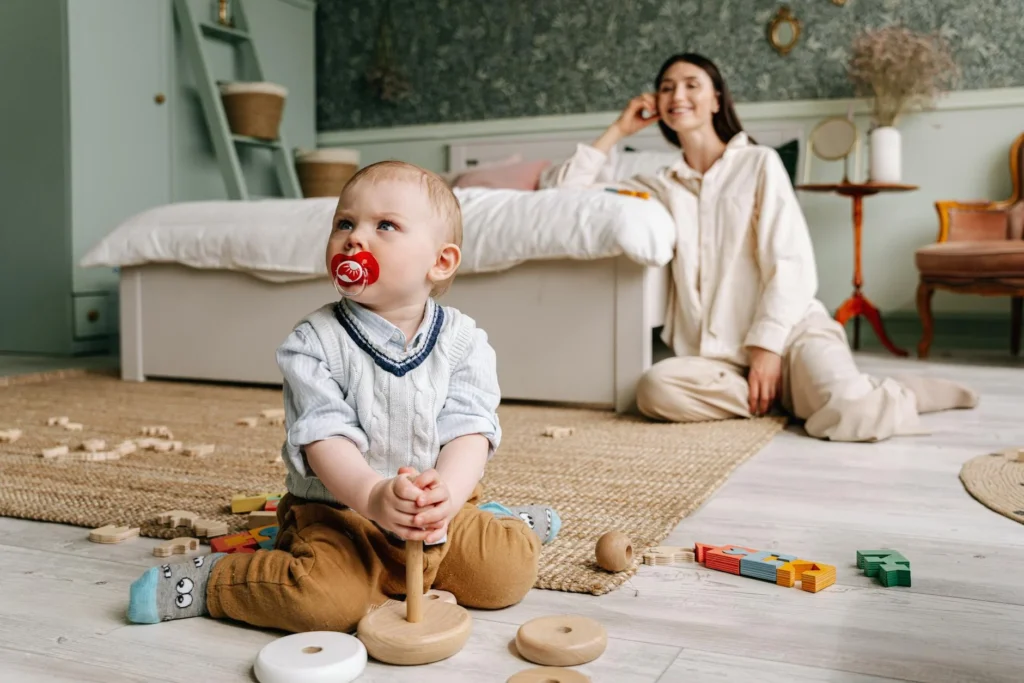
For a 23-week-old, a small selection of 3-5 toys is often ideal. The goal is to provide enough variety to stimulate without overwhelming them.
What if my baby seems bored with all their toys?
Sometimes the best ‘toy’ is interaction with you! Try singing, reading, peek-a-boo, or simply talking to them. Safe household items, like a wooden spoon or a crinkly piece of paper (supervised, of course!), can also be surprisingly engaging.
Note: Totals vary by provider, region, and part quality.
Images sourced from Pexels.