
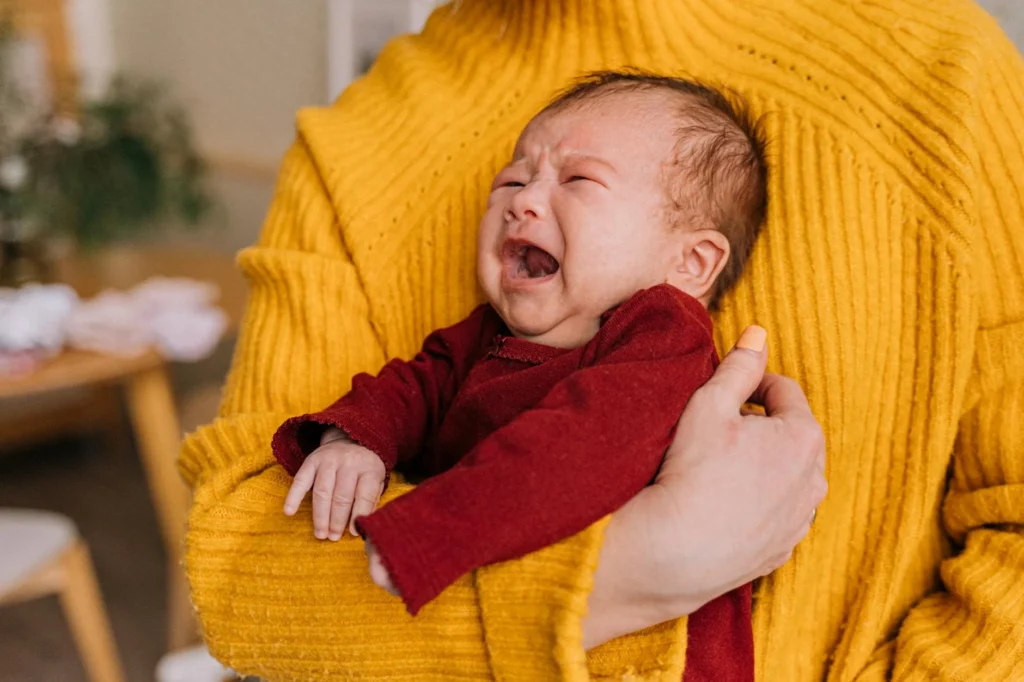
It’s a common and often challenging phase: your sweet 8-month-old, who just moments ago was happily playing, suddenly cries inconsolably the moment you step out of sight. This is separation anxiety, and while it can be tough on parents, it’s a completely normal part of your baby’s development.
Understanding 8-Month Separation Anxiety
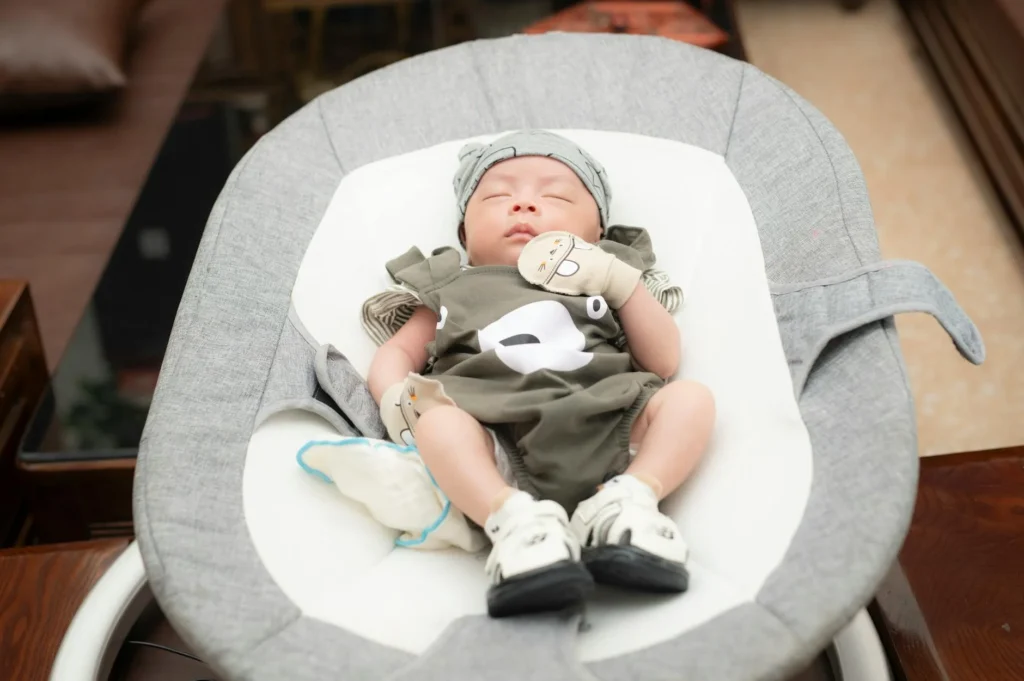
What It Is
Separation anxiety is a natural stage where babies become distressed when separated from their primary caregivers or when a familiar person leaves. It’s a sign of a strong, healthy attachment to you!
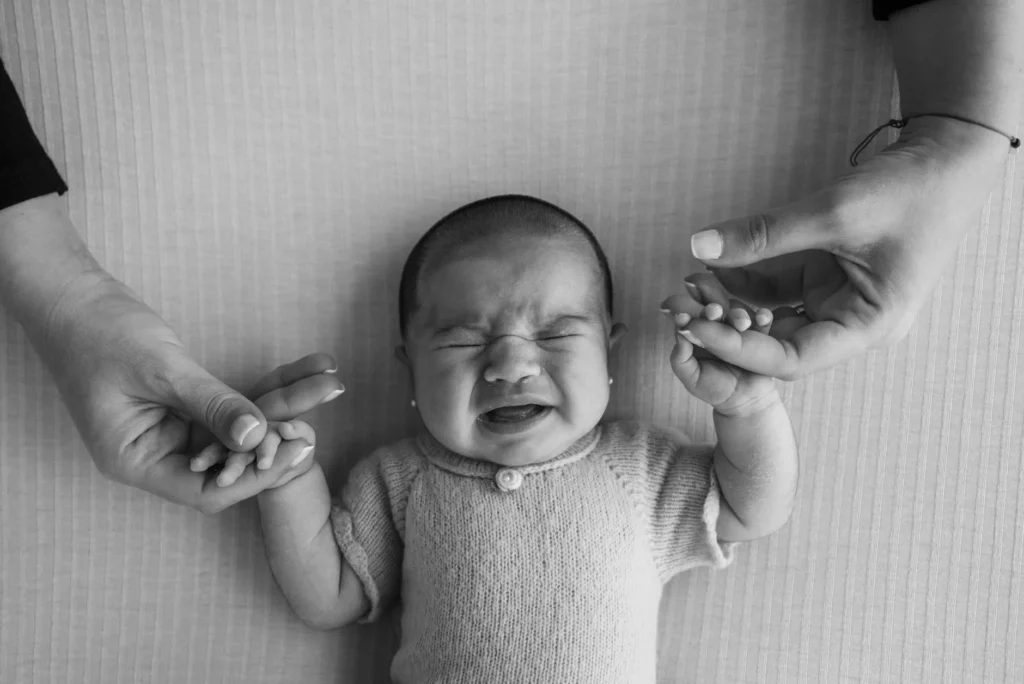
Why It Happens Now
Around 8 months, your baby is making huge cognitive leaps. They’re starting to understand ‘object permanence’ – the idea that things (and people!) still exist even when they can’t see them. While this is a wonderful developmental milestone, it also means they now know you’re gone when you leave, and they don’t yet have the concept of time to understand you’ll return. Combined with their growing awareness of strangers, this can make departures unsettling.
Gentle Routine Ideas to Help
Creating predictability and practicing small steps can make a big difference for both you and your baby during this phase.
Practice Short Departures
- Start small: Leave the room for just a minute or two, then return with a happy greeting.
- Gradually extend the time: Once your baby is comfortable with short absences, slowly increase how long you’re gone.
- Make it routine: Practice this daily, perhaps while they are engaged in play.
Create Predictable Goodbyes
- A consistent phrase: Use a simple, loving phrase like “Mommy will be right back!” or “Bye-bye, see you soon!” every time you leave.
- A quick hug or kiss: Keep goodbyes brief and avoid lingering, which can sometimes make the separation harder.
- Signal your return: Tell your baby when you’ll be back, even if they don’t fully understand the words. For instance, “I’ll be back after your nap!”
Introduce Comfort Objects
A special blanket, a favorite soft toy, or a lovey can become a source of comfort when you’re not around. Ensure any comfort object is safe for your baby’s age and free of small parts.
Maintain Consistent Routines
Babies thrive on predictability. A consistent daily schedule for meals, naps, play, and bedtime helps your baby feel secure and know what to expect. This sense of order can lessen anxiety around transitions.
Engage in Peek-a-Boo
This classic game isn’t just fun; it’s a fantastic way to teach object permanence in a playful, low-stakes environment. It reinforces the idea that even when something disappears, it will reappear.
Comforting Your Little One
Stay Calm and Reassuring
Your baby picks up on your emotions. If you seem anxious or sad about leaving, they might feel more distressed. A calm, confident demeanor helps reassure them that everything is okay.
Quick and Clear Goodbyes
Resist the urge to sneak out. This can cause more anxiety and lead to your baby becoming clingier. A quick, loving goodbye is usually best. Prolonging the goodbye often only escalates their distress.
Happy Reunions
When you return, greet your baby warmly and happily. This reinforces that you always come back and that reunions are a positive experience.
When to Seek Professional Advice
Separation anxiety is normal, but sometimes it can feel overwhelming. If your baby’s separation anxiety is severe, lasts for a very long time, or significantly interferes with their daily life (like affecting sleep or feeding habits) for an extended period, it might be helpful to discuss your concerns with a healthcare professional. They can offer personalized advice and rule out any other underlying issues.
Important Disclaimer
The information provided here is for general knowledge and informational purposes only, and does not constitute medical advice. Always consult with a qualified healthcare professional for any health concerns or before making any decisions related to your child’s health and well-being.
Frequently Asked Questions
How long does separation anxiety last?
The intensity and duration vary greatly from child to child. It often peaks between 8-10 months and can resurface during toddlerhood, especially during times of stress or big changes. For most babies, it’s a phase that gradually improves with consistent reassurance and routines.
Does separation anxiety affect sleep?
Yes, it often does. Babies experiencing separation anxiety might resist bedtime, wake up frequently during the night, or cry out for their caregiver upon waking. Maintaining a consistent bedtime routine, offering a comfort object, and quick, reassuring visits (rather than prolonged soothing) can help during sleep disruptions.
Note: Totals vary by provider, region, and part quality.
Images sourced from Pexels.