
As children reach age six, they’re often embracing more independence and responsibility. This is a wonderful stage to introduce (or reinforce!) habits that can make daily routines, especially school mornings, much less chaotic. A little organization goes a long way in building confidence and saving precious minutes when the alarm goes off.
Taming the Morning Rush: Why Organize?

The morning often feels like a race against the clock. When backpacks are a jumble and outfits are a mystery, it adds unnecessary stress for everyone. Teaching your six-year-old simple organizational strategies isn’t just about tidiness; it’s about fostering independence, responsibility, and problem-solving skills. They learn to anticipate needs and take ownership of their belongings, which are valuable life lessons.

Getting Started Together
The key is to involve your child. This isn’t about you doing it for them, but about guiding them through the process. Make it a fun project! Turn on some music, put on an apron if you want to be extra silly, and approach it with a positive attitude. Remember, consistency over perfection is the goal.
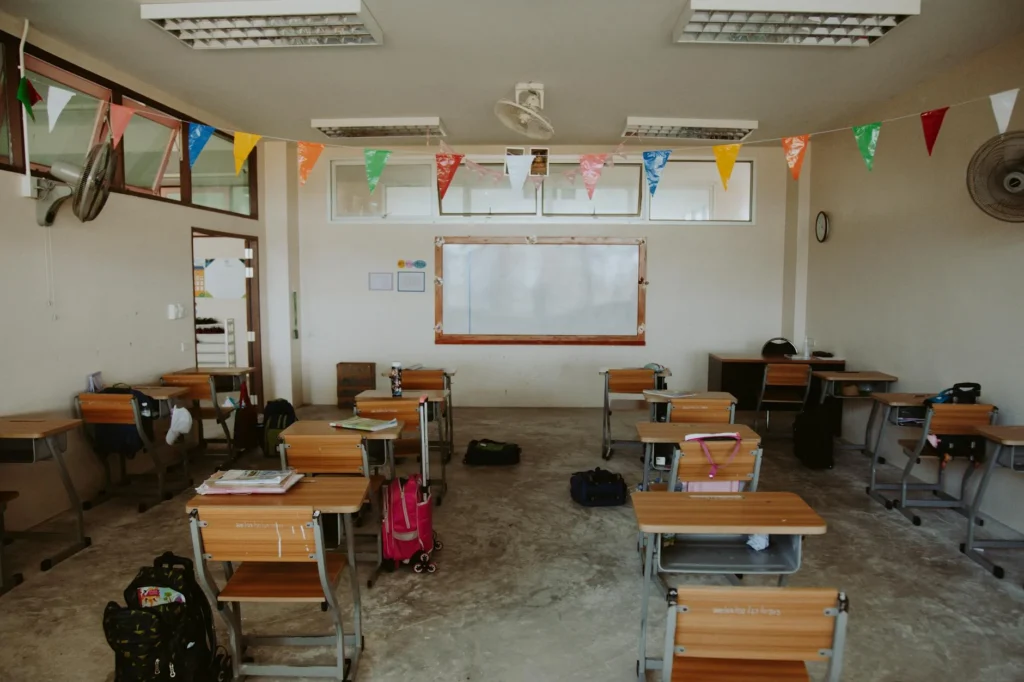
Backpack Brilliance: What Goes Where?
A well-organized backpack means fewer forgotten items and a quicker departure. Think of it like creating a ‘home’ for everything.
Designated Spots for School Gear
- The ‘Lunch Zone’: Dedicate a specific pocket or section for their lunchbox. If it’s a cooler bag, ensure it fits easily without squishing other items.
- Homework & Papers: A clear folder or divider is essential for papers. This helps prevent crumpled permission slips or lost homework assignments. Label it clearly, e.g., ‘To School’ and ‘To Home’.
- Small Essentials Pouch: A small, zippered pouch can hold tissues, a tiny hand sanitizer, or lip balm. This prevents small items from getting lost at the bottom.
- Library Books/Reading: If they bring books to and from school, have a dedicated, easy-to-access slot where they won’t get bent.
- Water Bottle Pocket: Most backpacks have one on the side. Emphasize always putting the bottle in this spot to prevent leaks onto schoolwork.
Daily Check-In Routine
Encourage your child to do a quick ‘backpack sweep’ each evening. This involves removing any trash, bringing home papers, and making sure everything needed for the next day is tucked away. A simple checklist or visual guide can be helpful for them.

Outfit Organization: Dressing for Success
Decision fatigue is real, even for six-year-olds! Laying out clothes ahead of time can transform morning chaos into calm.
The ‘Outfit of the Day’ System
At the beginning of the week (perhaps on a Sunday afternoon), help your child choose five complete outfits for school. This includes underwear, socks, pants/shorts/skirt, and a top. You can:
- Hang each outfit together on a single hanger.
- Use drawer dividers or small bins for each day’s outfit.
- Create a ‘capsule wardrobe’ area in their closet just for school clothes.
Weather-Wise Wardrobe
Teach them to check the weather forecast for the next day as part of their evening routine. This helps them select appropriate layers or outerwear. A simple visual thermometer or weather chart can make this engaging.
Involving Your Child
Giving your child choices within a structured framework boosts their sense of control. Instead of asking, “What do you want to wear?” (which can lead to indecision), try, “Do you want to wear the blue stripes or the green dots tomorrow?”
Tiny Habits for a Smoother Morning
Consistency is your best friend when building new habits. Start small, celebrate successes, and gently guide them back on track when things go awry.
The Night Before Prep
This is the golden rule. Take 10-15 minutes each evening to:
- Pack the backpack (apart from fresh lunch items).
- Lay out the next day’s outfit.
- Charge any devices needed for school.
- Place shoes and outerwear by the door.
A Designated ‘Launchpad’
Create a specific spot near the door where all school items (backpack, shoes, jacket) are placed the night before. This eliminates last-minute hunts.
Keep it Simple
Avoid over-complicating things. Too many steps or too many choices can overwhelm a six-year-old. The simpler the system, the more likely it is to stick.
By implementing these strategies, you’re not just organizing physical items; you’re helping your child develop invaluable life skills that will serve them well beyond their elementary school years. And perhaps, just perhaps, you’ll find yourself enjoying those morning moments a little bit more.
Note: Totals vary by provider, region, and part quality.
Images sourced from Pexels.