
Introducing Homework: A New Adventure!
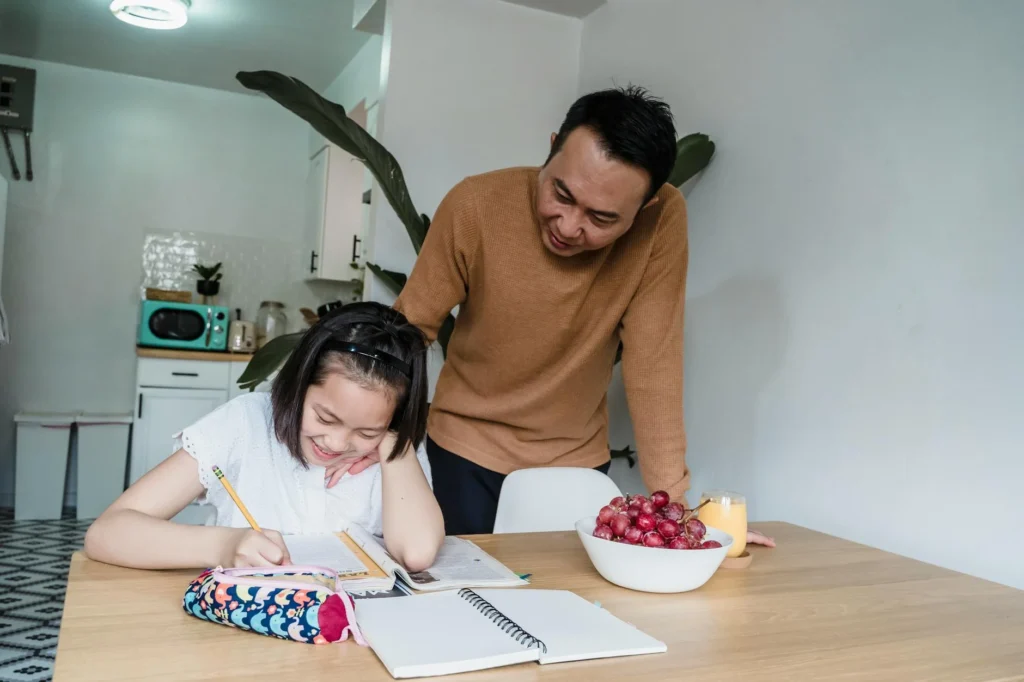
The first grade often brings with it a new addition to your child’s day: homework. It’s a big step! While the amount might be small, establishing a positive routine now can set the stage for good study habits for years to come. For a 6-year-old, homework isn’t just about academics; it’s about learning responsibility, time management, and the joy of accomplishment.
Why a Homework Routine Matters So Much
Imagine knowing what’s coming next. For a 6-year-old, this predictability can be incredibly comforting. A consistent homework routine removes the ‘unknown,’ reduces potential power struggles, and helps build independence. It’s not about being rigid, but about creating a rhythm that works for your family. This rhythm helps them transition from school play to focused learning without much fuss.

Building Blocks for a Successful Routine
Creating a routine doesn’t have to be complicated. Think of it as a few simple steps that become part of your daily flow:
Find the ‘Sweet Spot’ Time
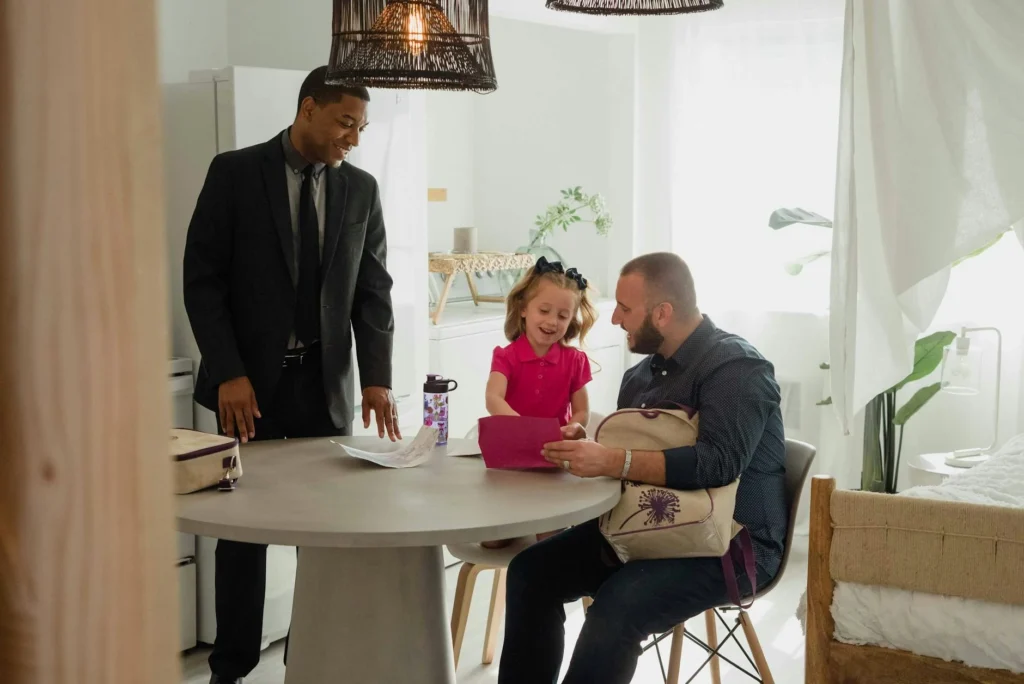
When is your child most receptive? For some, it’s right after a quick snack and some free play to decompress from school. For others, it might be after dinner, but not too late. Avoid pushing homework when they’re overtired or ravenous. Experiment to find that perfect window – often 10-15 minutes after arriving home and relaxing is ideal.
Designate a ‘Homework Zone’
This doesn’t need to be a fancy desk. A spot at the kitchen table, a corner in their room, or even a lap desk on the sofa (if it works for focus) can do. The key is to make it a consistent, relatively quiet, and well-lit space. Try to minimize distractions like TV, siblings’ play, or enticing toys nearby.

Keep it Short and Sweet
Remember, 6-year-olds have developing attention spans. Most homework assignments for this age are designed to be brief. If an assignment seems to drag on, break it into even smaller chunks. A 10-minute session followed by a 5-minute movement break can be far more effective than forcing a continuous 20-minute sit-down.
Make it Engaging (Not a Chore)
Homework doesn’t have to be boring. Use colorful pencils, fun erasers, or a timer with a silly sound. Frame it as ‘learning time’ or ‘puzzle time’ rather than ‘work.’ Be present to offer guidance and encouragement, but resist the urge to do the work for them. Your role is support, not completion.
Celebrate Effort, Not Just Perfection
When they finish, even if there are a few wobbly letters or a missed math problem, acknowledge their effort. A simple ‘You worked so hard on that!’ or ‘I love how you stuck with it’ goes a long way. Positive reinforcement builds confidence and a positive association with learning.

Tackling Common Homework Hurdles
Even with the best routine, some days will be tougher than others. Here’s how to navigate common challenges:
- The ‘I Don’t Want To!’ Battle: Offer limited choices. Instead of ‘Do your homework now,’ try ‘Would you like to do your math problems first or read your book first?’ This gives them a sense of control.
- Distraction Dynamo: If your child easily drifts, physically remove potential distractions from their immediate vicinity. Sometimes, a quiet hum of classical music can help some children focus.
- Feeling Overwhelmed: If the task seems too big, break it down verbally. ‘Let’s just do these first two sentences,’ or ‘How about we look at one math problem at a time?’ Reassure them that asking for help is smart.
When to Reach Out for Support
While a few tough homework sessions are normal, trust your instincts. If your child consistently shows significant anxiety around homework, frequently can’t understand the assignments even with your help, or if homework time becomes a daily, tearful battle, it might be time to chat with their teacher. They can offer insights into your child’s in-class performance and suggest strategies or additional support. Every child develops at their own pace, and open communication with the school can be incredibly helpful.
Setting the Stage for Lifelong Learning
Establishing a homework routine for your 6-year-old is a journey, not a sprint. It’s about teaching them consistency, responsibility, and fostering a love for learning in a way that feels natural and supportive. With a little patience and consistency, you’ll help them build foundational habits that will serve them well beyond elementary school.
Note: Totals vary by provider, region, and part quality.
Images sourced from Pexels.