
Exam periods can bring a swirl of emotions for kids, even at 10 years old. While a little pressure can be motivating, too much stress can make it tough to focus and perform their best. As parents, we can create a supportive environment and a routine that helps them feel more prepared and less overwhelmed.
This information is for general guidance only and is not a substitute for professional medical advice. Always consult with a healthcare professional for any health concerns or before making decisions related to your child’s health.
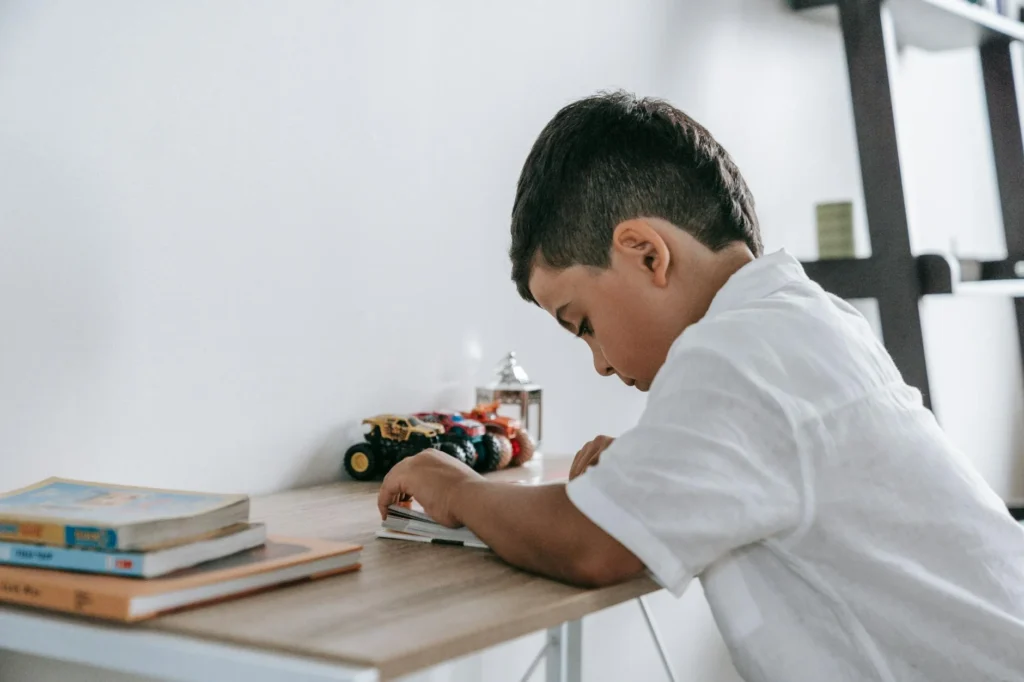
Understanding Exam Stress in 10-Year-Olds
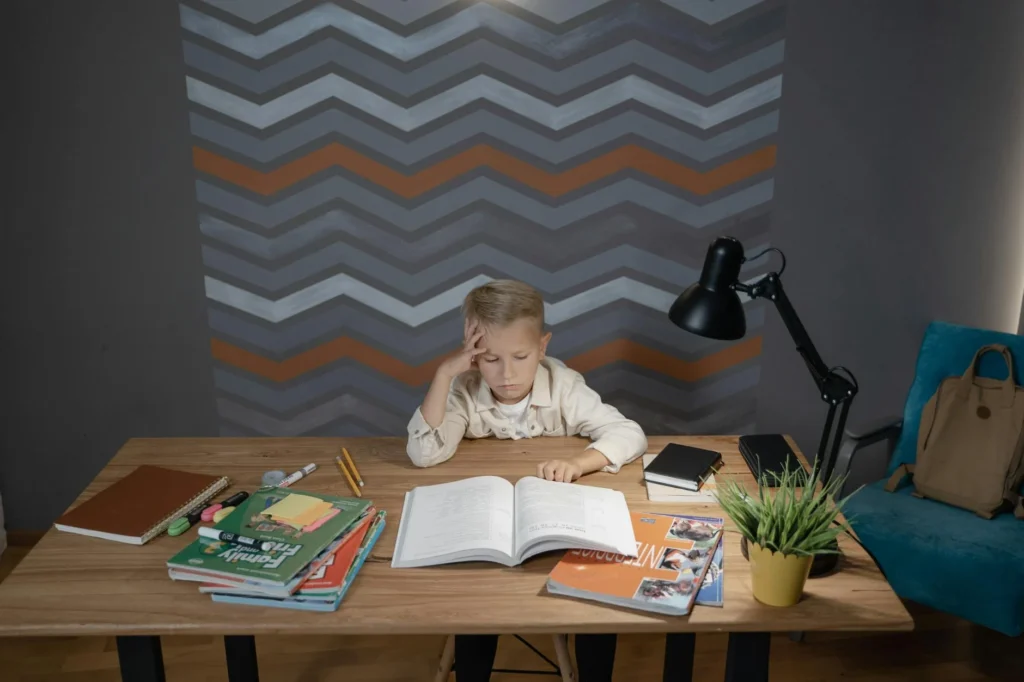
Children at this age are often keen to please and may put a lot of pressure on themselves. They might not always have the words to describe how they’re feeling, so it’s helpful to watch for changes in their behavior.

Signs of Stress to Look For:
- Changes in sleep patterns (trouble falling asleep, waking frequently)
- Irritability or mood swings
- Loss of appetite or increased comfort eating
- Complaints of headaches, stomach aches, or feeling unwell more often
- Avoidance of schoolwork or refusal to study
- Increased clinginess or withdrawal from family and friends
- Difficulty concentrating, even on fun activities
Crafting a Calming Exam-Week Routine
A structured yet flexible routine can provide a sense of control during a potentially stressful time. It’s not about cramming more in, but about creating balance.
The Power of a Predictable Schedule
Help your child set a daily schedule for studying that includes regular breaks. Keep study sessions manageable – perhaps 20-30 minutes followed by a short break. Consistency helps, so try to stick to similar wake-up and bedtime hours.

Prioritize Sleep
Rest is crucial for memory consolidation and focus. Ensure your 10-year-old gets enough sleep, typically 9-11 hours each night. A consistent bedtime routine, free from screens an hour before sleep, can make a huge difference.
Smart Study Breaks
Breaks aren’t just for resting; they’re for recharging. Encourage your child to do something completely different during breaks, like playing outside, listening to music, or drawing. Avoid filling breaks with more screen time, as this can be less restorative.
Nutritious Fuel
Healthy eating plays a big role in energy levels and concentration. Offer regular, balanced meals and snacks. Think whole grains, fruits, vegetables, and lean proteins. Keep sugary drinks and processed snacks to a minimum, as they can lead to energy crashes.
Movement and Play
Physical activity is a fantastic stress reliever. Make sure your child has time for active play or sports each day, even during exam week. A quick walk or a game in the park can clear their head and boost mood.
Open Communication
Talk to your child about their exams. Ask how they’re feeling, what they’re worried about, and if they have any questions. Listen without judgment and reassure them that their best effort is what matters most. Remind them that exams don’t define who they are.
A Relaxing Wind-Down
Evenings should be a time to decompress. Encourage activities like reading, a warm bath, or quiet family time. Avoid discussing exam results or intense studying right before bed.
When to Seek Extra Support
While some stress is normal, persistent or severe signs of distress should not be ignored. If your child’s anxiety seems overwhelming, interferes significantly with their daily life, or if you notice prolonged changes in their mood or behavior, it’s wise to reach out. Consider contacting your child’s school counselor, pediatrician, or another healthcare professional. They can offer guidance and support tailored to your child’s needs.
Supporting your 10-year-old through exam week is about more than just getting good grades; it’s about teaching them healthy coping strategies and building resilience. With a balanced routine and plenty of understanding, they can navigate this period with greater confidence and less stress.
Note: Totals vary by provider, region, and part quality.
Images sourced from Pexels.