
Good oral hygiene starts earlier than you might think! Building healthy habits from infancy helps protect tiny teeth and sets the stage for a lifetime of good dental health. But with so many options, choosing the right toothbrush and toothpaste for your little one can feel a bit overwhelming. This guide breaks down what to look for at each stage.
Who It Helps
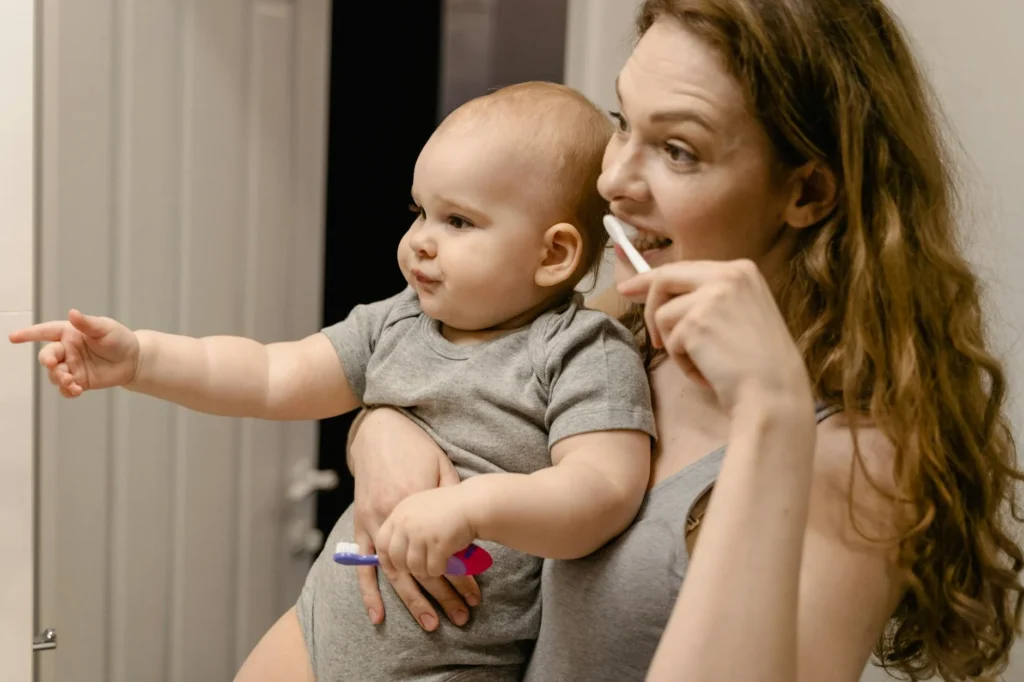
This guide is for new parents navigating their baby’s first tooth, seasoned parents wondering if they have the right products for their toddler, or anyone looking for age-appropriate oral care solutions for children from birth through their preschool years. Understanding the developmental stages of a child’s mouth can help you make informed choices that keep those little smiles bright.

Selection Criteria: Age-Appropriate Toothbrushes
Newborns & Babies (0-6 months, pre-teeth)
Even before teeth appear, it’s a great idea to gently clean your baby’s gums. This helps remove milk residue and gets them accustomed to the routine. Look for soft, gentle options:
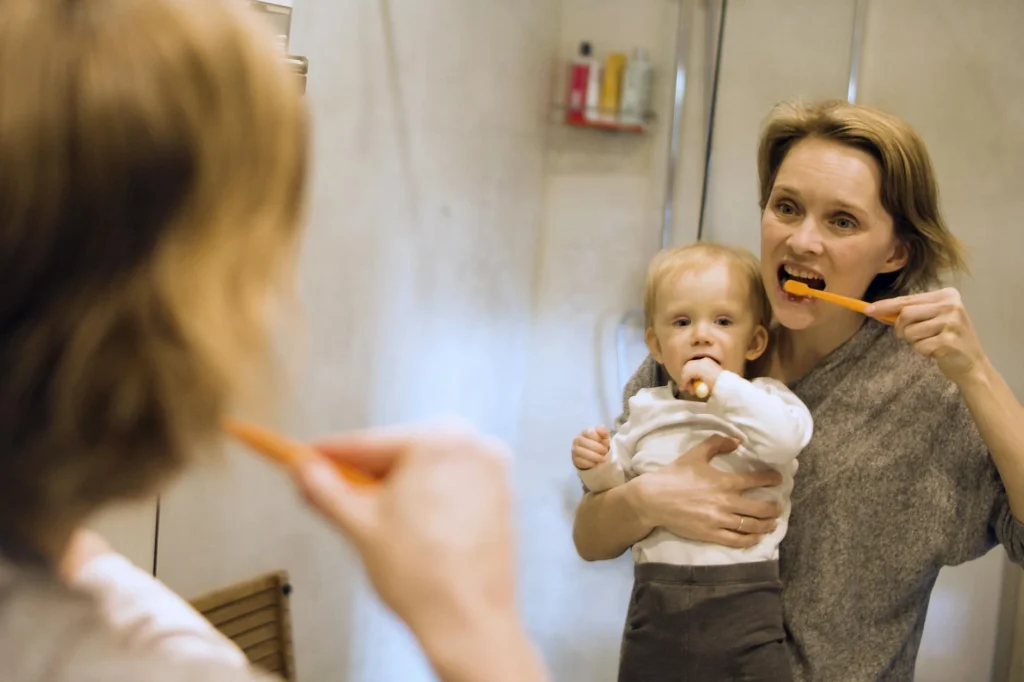
- Gum Wipes: Soft, disposable wipes that fit over your finger, perfect for gently cleaning gums.
- Finger Brushes: Soft silicone brushes that slip over an adult’s finger, offering a gentle massage and cleaning surface for gums and emerging teeth.
First Teeth & Early Teethers (6-18 months)
As soon as the first tooth erupts, usually around 6 months, it’s time to start brushing! Focus on extreme softness and small size.
- Silicone or Extra-Soft Bristle Brushes: Choose brushes with very small heads designed specifically for a baby’s tiny mouth.
- Comfortable Handle: Look for handles that are easy for a parent to grip, as you’ll be doing most of the brushing. Some even have a ring or loop design.
- Teether-Brush Hybrids: Some brushes double as teethers, which can be great for soothing sore gums while introducing the idea of a brush.
Toddlers (18 months – 3 years)
As more teeth come in, and toddlers start to show interest in doing things themselves, the brush design can evolve slightly. Supervision and parental assistance are still essential.
- Small, Soft Heads: Still prioritize very soft bristles and small brush heads to effectively clean all surfaces without irritating sensitive gums.
- Chunky, Easy-Grip Handles: Handles designed for tiny hands to hold can encourage independence, even if you’re guiding their movements.
- Fun Designs: Characters or bright colors can make brushing more appealing.
Selection Criteria: Age-Appropriate Toothpaste
The type and amount of toothpaste are crucial, especially for little ones who are likely to swallow it.
Babies & Toddlers (0-3 years)
For children who cannot reliably spit out toothpaste, the amount and fluoride content need careful consideration.
- Fluoride-Free or Low-Fluoride Paste: Many pediatric dentists recommend a tiny smear (the size of a grain of rice) of fluoride toothpaste as soon as the first tooth appears. Others might suggest fluoride-free options until a child can spit. Always consult your pediatric dentist for their specific guidance.
- Swallow-Safe: Ensure any toothpaste used is designed to be safe if swallowed in small amounts.
- Mild Flavor: Look for mild, child-friendly flavors that aren’t too strong.
Preschoolers (3+ years)
Once your child is reliably able to spit out toothpaste, you can adjust the amount.
- Pea-Sized Amount: A pea-sized dollop of fluoride toothpaste is generally recommended.
- Still Mild Flavors: Continue to choose flavors your child enjoys to encourage compliance.
Safety Checklist
Ensuring your child’s oral care routine is safe is paramount.
- Always Supervise: Never leave a young child unattended with a toothbrush or toothpaste. This prevents choking hazards and ensures proper brushing technique.
- Check for Wear: Regularly inspect toothbrushes for splayed bristles or damage. Worn brushes are less effective and can harbor bacteria.
- BPA-Free: Look for products made from child-safe, BPA-free materials.
- Choking Hazards: Ensure toothbrushes do not have small, detachable parts that could pose a choking risk.
- Toothpaste Use: Follow recommended fluoride levels and amounts for your child’s age, and consider their ability to spit.
This information is for general guidance only and is not a substitute for professional medical or dental advice. Always consult with your pediatrician or pediatric dentist for personalized recommendations regarding your child’s oral health, especially concerning fluoride use and any concerns about tooth development.
Care & Cleaning
Proper care of oral hygiene tools helps keep them effective and hygienic.
- Rinse Thoroughly: After each use, rinse the toothbrush thoroughly with water to remove toothpaste and food particles.
- Store Upright: Store toothbrushes upright in a holder, allowing them to air dry completely. This helps prevent bacterial growth.
- Replace Regularly: Replace your child’s toothbrush every 3-4 months, or sooner if the bristles are frayed or after they’ve been sick.
Frequently Asked Questions
When should I start brushing my baby’s teeth?
The moment the first tooth appears, it’s time to start brushing! Even before that, you can clean their gums with a soft cloth or gum wipe.
Do I really need special baby toothpaste?
Yes, baby and toddler toothpaste are specifically formulated with appropriate fluoride levels (or none) and are safe if swallowed in small amounts, which is common for young children.
What if my child hates brushing?
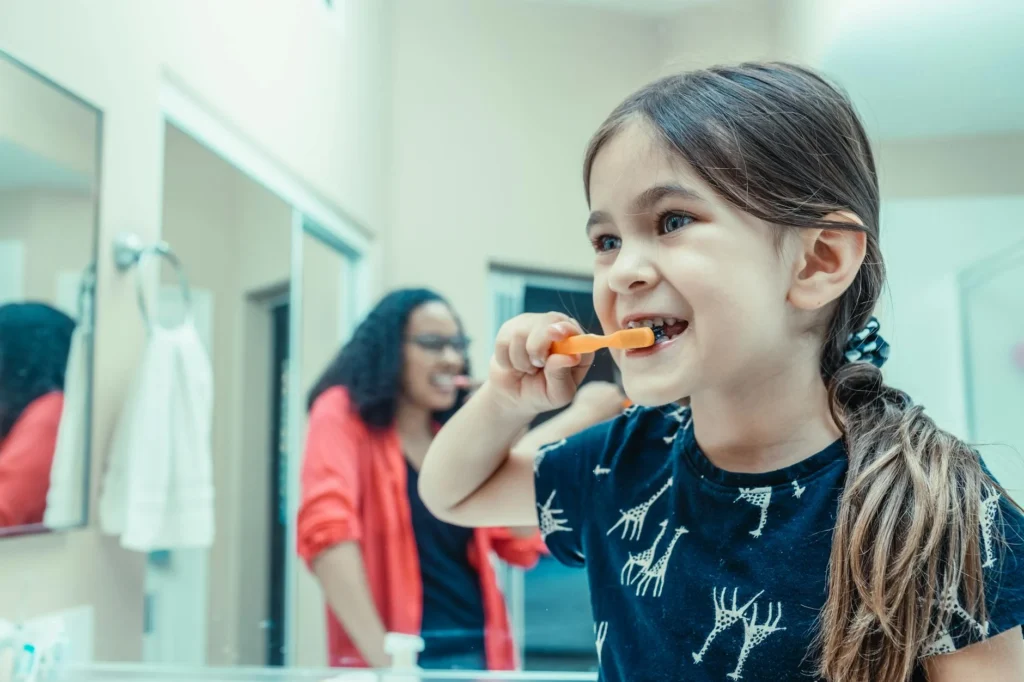
Make it a fun routine! Sing songs, let them watch you brush your teeth, or let them ‘help’ brush a doll’s teeth. Persistence, patience, and positive reinforcement are key.
When should my child first see a dentist?
The American Academy of Pediatric Dentistry recommends that a child have their first dental visit by their first birthday, or within six months of the first tooth erupting, whichever comes first.
Note: Totals vary by provider, region, and part quality.
Images sourced from Pexels.