
Navigating the world of baby and toddler sleep can feel like a maze, full of conflicting advice and sleepless nights. If you’re looking for ways to encourage healthy sleep habits without resorting to harsh methods, you’re in the right place. Gentle sleep training focuses on slowly guiding your little one towards independent sleep, always prioritizing their sense of security and your connection.
Understanding Sleep Cues: Common Signs Your Little One Is Ready for Bed

Learning your baby or toddler’s unique sleep signals is the first step. These cues are their way of telling you they’re nearing their sleep window. Catching them before they become overtired is key to smoother transitions to sleep.
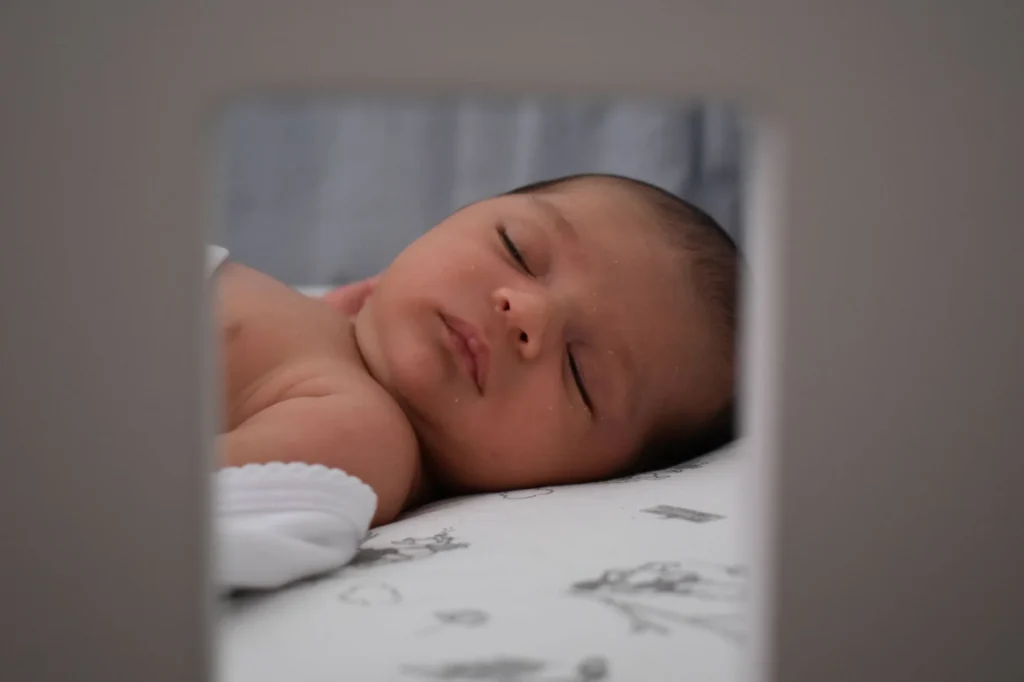
- Yawning and Eye Rubbing: The classic signs. Don’t wait until they’re doing it constantly.
- Fussiness or Irritability: A sudden shift in mood, becoming easily upset or crying more than usual.
- Losing Interest: They might stop engaging with toys or people, seeming to zone out or stare blankly.
- Pulling Ears or Hair: A self-soothing gesture some little ones make when tired.
- Clinginess: Wanting to be held more, or becoming unusually particular about who holds them.
Observing these signs helps you anticipate sleep needs, rather than reacting to an overtired meltdown.

Tiny Habits That Help: Gentle Approaches to Sleep
Gentle sleep training isn’t about leaving your child to cry alone. It’s about gradual changes and consistent reassurance. Here are a few widely used methods that embrace a tender touch.
The “Fading” Method (Pick Up/Put Down or Chair Method Variation)
This approach involves gradually reducing your direct involvement as your child learns to fall asleep independently. With the “Pick Up/Put Down” method, you respond to cries by picking up and comforting your baby, then putting them back down drowsy but awake. You repeat this until they fall asleep, offering reassurance but avoiding full dependency on being held to sleep. For toddlers, a “Chair Method” variation might involve sitting in a chair near their bed, slowly moving it further away each night until you’re out of the room. The key is consistent, calm presence.

The “Wake and Sleep” Method
This subtle technique aims to teach your baby to fall back asleep on their own after a brief, gentle disturbance. You put your baby down drowsy but awake. Once they are sound asleep (typically 15-20 minutes later), you gently rouse them just enough to stir (perhaps by tickling their foot or making a soft sound) but not fully wake them. The idea is that they then learn to fall back into a deep sleep independently, strengthening their ability to self-soothe when they naturally wake during the night.
Consistent Bedtime Routine
A predictable, calming sequence of events signals to your child that sleep is coming. This routine doesn’t need to be long or complicated, but it should be done in the same order every night, if possible. Examples include a warm bath, a gentle massage, reading a favorite book, singing a lullaby, and a final cuddle. The consistency provides comfort and predictability, helping their body and mind wind down.
Creating a Sleep-Friendly Environment
The space where your child sleeps plays a big role. A dark, quiet, and cool room (around 68-72°F or 20-22°C) is ideal. Blackout curtains can help block out stimulating light, especially during naps or early mornings. Consider a white noise machine to mask sudden household sounds and create a consistent, soothing background hum.
Common Mistakes to Avoid
Even with the best intentions, certain pitfalls can make gentle sleep training more challenging.
- Inconsistency: Sending mixed signals by sometimes adhering to the method and sometimes not can confuse your child and prolong the process.
- Starting When Overtired: An overtired baby or toddler is much harder to settle. Try to start the routine before they hit this point.
- Comparing Progress: Every child is different. What works for one family might not work for another, and progress happens at individual paces.
- Expecting Instant Results: Gentle sleep training is a process, not a quick fix. Patience and persistence are your greatest allies.
- Introducing During Major Transitions: Avoid starting a sleep training method when your child is ill, teething, going through a big developmental leap, or during significant family changes like travel or moving.
When to Talk to a Professional
While most sleep challenges are a normal part of child development, some situations warrant a conversation with a healthcare professional. Don’t hesitate to reach out if:
- Your child’s sleep difficulties are persistent and severely impacting their health or your family’s well-being.
- You have concerns about underlying medical conditions that might be affecting their sleep, such as sleep apnea, reflux, or severe allergies.
- Your child is not thriving, showing poor weight gain, or exhibiting other concerning developmental signs.
- You are experiencing extreme parental exhaustion, depression, or anxiety due to sleep deprivation.
Please remember, this information is for general guidance only and is not a substitute for professional medical advice. Always consult with your pediatrician or a qualified healthcare provider for any health concerns or before making changes to your child’s care plan.
Gentle sleep training is a journey of understanding your child, offering support, and building healthy habits together. Be patient, be kind to yourself, and celebrate every small step forward.
Images sourced from Pexels.