
Starting your little one on solid foods is a big step! Baby-led weaning (BLW) can be a wonderful, natural way to introduce new tastes and textures, letting your baby explore food at their own pace. Instead of spoon-feeding purees, BLW encourages babies to pick up appropriately sized pieces of food and feed themselves from the get-go. It’s messy, it’s fun, and it fosters independence.
Ready to dive in? Here are some simple, healthy recipe ideas perfect for beginners.

Who Baby-Led Weaning Suits

Baby-led weaning is generally suitable for babies who:

- Are at least 6 months old.
- Can sit up unassisted.
- Have lost their tongue-thrust reflex (they don’t automatically push solids out of their mouth).
- Show an interest in food and can reach and grab objects accurately.
Always chat with your pediatrician or a healthcare professional before starting solids, especially if you have any concerns about your baby’s development or health. This information is for general guidance and is not medical advice.
General Safety Notes for Baby-Led Weaning
Prioritizing safety is key when introducing solids. Keep these important points in mind:
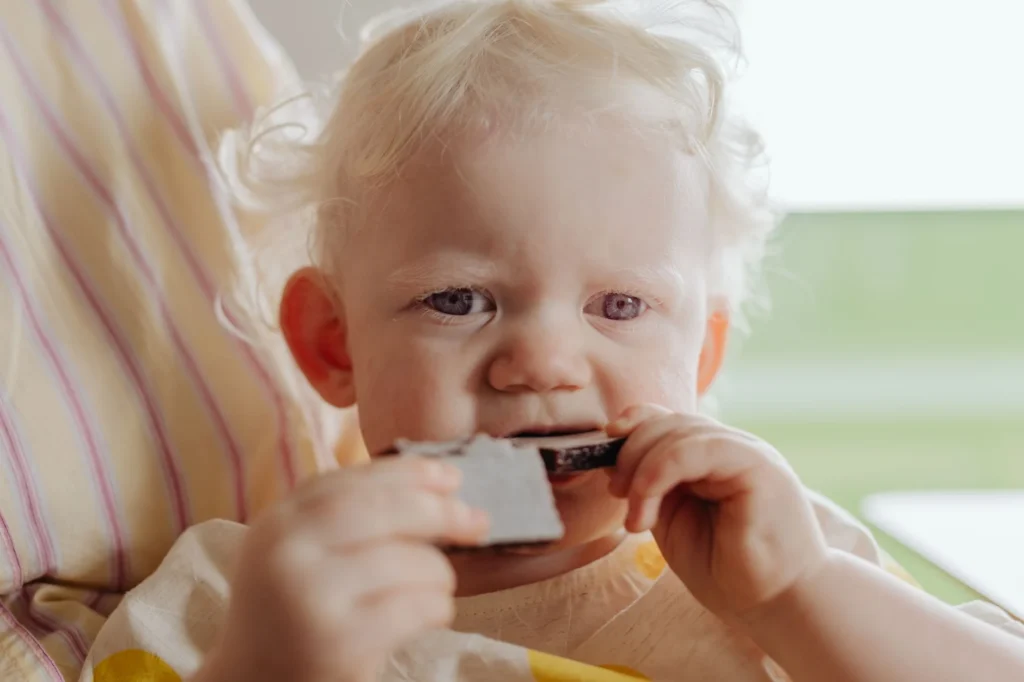
- Supervision is a Must: Always stay with your baby while they are eating. Never leave them unattended.
- Appropriate Food Size: Offer foods in sticks or strips that your baby can easily grasp with their whole hand (about the size of your finger). Once their pincer grasp develops, you can offer smaller, bite-sized pieces.
- Soft Textures: Foods should be soft enough to be easily mashed between your fingers.
- Choking Hazards: Avoid small, round, hard foods like whole grapes, nuts, popcorn, hard candies, or large chunks of meat. Always prepare food safely.
- No Honey for Babies Under One: A crucial rule – honey can contain spores that cause infant botulism, which is dangerous for babies under one year old. Steer clear of it completely.
- Skip the Salt and Sugar: Babies don’t need added salt or sugar in their food. Their kidneys aren’t fully developed to handle excess sodium, and sugar offers no nutritional benefit.
- Allergy Introductions: Introduce new foods one at a time, waiting a few days (2-3) between each new food. This makes it easier to identify potential allergic reactions. Watch for symptoms like hives, swelling, difficulty breathing, vomiting, or diarrhea. If you suspect an allergic reaction, seek immediate medical attention.
- Hydration: Offer sips of water in an open cup with meals once solids are introduced.
Soft-Cooked Sweet Potato Sticks
Sweet potatoes are packed with nutrients and have a naturally sweet flavor babies usually love. They cook up soft and are easy for little hands to hold.
Ingredients
- 1 medium sweet potato
- Water for steaming or boiling
Steps
- Wash and peel the sweet potato.
- Cut the sweet potato into finger-sized sticks, about 3-4 inches long and 1/2 inch thick.
- Steam or boil the sweet potato sticks until they are very tender (easily mashable with a fork). This usually takes about 10-15 minutes.
- Let them cool completely before offering to your baby.
Storage & Serving
Serve warm or at room temperature. Leftovers can be stored in an airtight container in the refrigerator for up to 3 days. Reheat gently if desired, or serve cold.
Steamed Broccoli Florets
Broccoli offers a good dose of vitamins and fiber. Steamed until tender, the “tree-like” stalk provides a great grip for babies.
Ingredients
- 1 head of broccoli
- Water for steaming
Steps
- Wash the broccoli thoroughly.
- Cut the florets into large, manageable pieces with a good chunk of the stalk attached (this acts as a handle).
- Steam the broccoli until it’s very tender. You should be able to easily mash it between your fingers. This often takes 8-12 minutes.
- Ensure it’s cooled to a safe temperature before serving.
Storage & Serving
Serve immediately, slightly warm. Store any extra steamed broccoli in the fridge for 2-3 days. You can also freeze individual florets on a tray and then transfer to a freezer bag for longer storage (up to 2 months), reheating as needed.
Avocado Slices or Mashed
Avocado is a fantastic first food – creamy, rich in healthy fats, and requires no cooking! It’s super easy to prepare.
Ingredients
- 1 ripe avocado
Steps
- Wash the avocado.
- Cut the avocado in half, remove the pit.
- For slices: Peel the skin and cut each half into thick, finger-sized slices.
- For mashed: Scoop out the flesh and mash gently with a fork. You can leave it slightly lumpy for texture.
Storage & Serving
Serve fresh. Avocado browns quickly, so it’s best prepared right before serving. You can try squeezing a little lemon juice over it to slow down browning if storing for a very short time, but ideally, fresh is best. Serve plain.
Banana ‘Fries’
Bananas are naturally sweet, soft, and easy for babies to manage. Cutting them into “fries” or spears makes them perfect for little hands to grip.
Ingredients
- 1 ripe banana
Steps
- Peel the banana.
- Cut it in half or thirds, then slice each piece lengthwise into “fries” or thick spears.
Storage & Serving
Serve immediately. Bananas brown quickly once cut, so prepare just before mealtime. Offer them plain.
When to Talk to a Professional
Most babies take to solids well, but sometimes concerns arise. If you notice any of the following, it’s always a good idea to chat with your pediatrician:
- Persistent gagging or difficulty swallowing.
- Refusing all solids consistently.
- Signs of an allergic reaction (as mentioned above).
- Significant changes in bowel movements that cause discomfort.
- Concerns about your baby’s weight gain or overall development after starting solids.
Remember, every baby is different, and their journey with food will be unique. Trust your instincts and always reach out to a healthcare professional if you have any worries. This information is intended for general informational purposes only and does not constitute medical advice or diagnosis. Always consult with a qualified healthcare provider for any health concerns or before making any decisions related to your health or the health of others.
Images sourced from Pexels.