
Starting Solids: A New Adventure
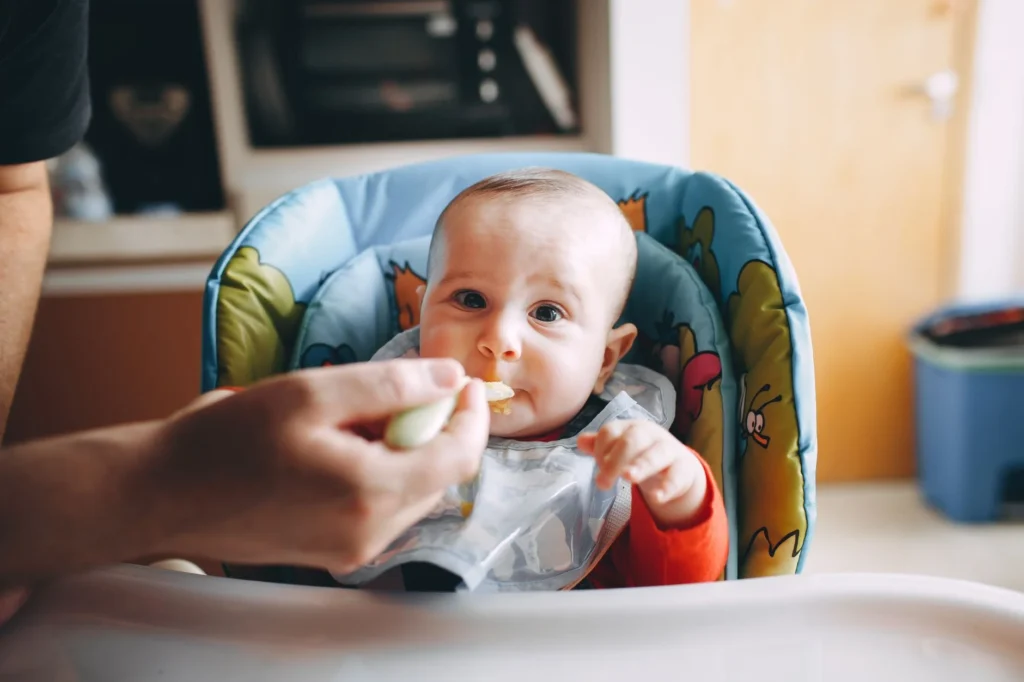
The journey into solid foods is a big milestone for your baby and an exciting one for you! It’s a time of new tastes, textures, and discoveries. While store-bought options are convenient, making your own baby food can be a rewarding experience, allowing you to control ingredients and introduce fresh, wholesome flavors.
Remember, this information is for general guidance only and is not a substitute for professional medical advice. Always consult your pediatrician regarding your baby’s specific dietary needs and any health concerns.
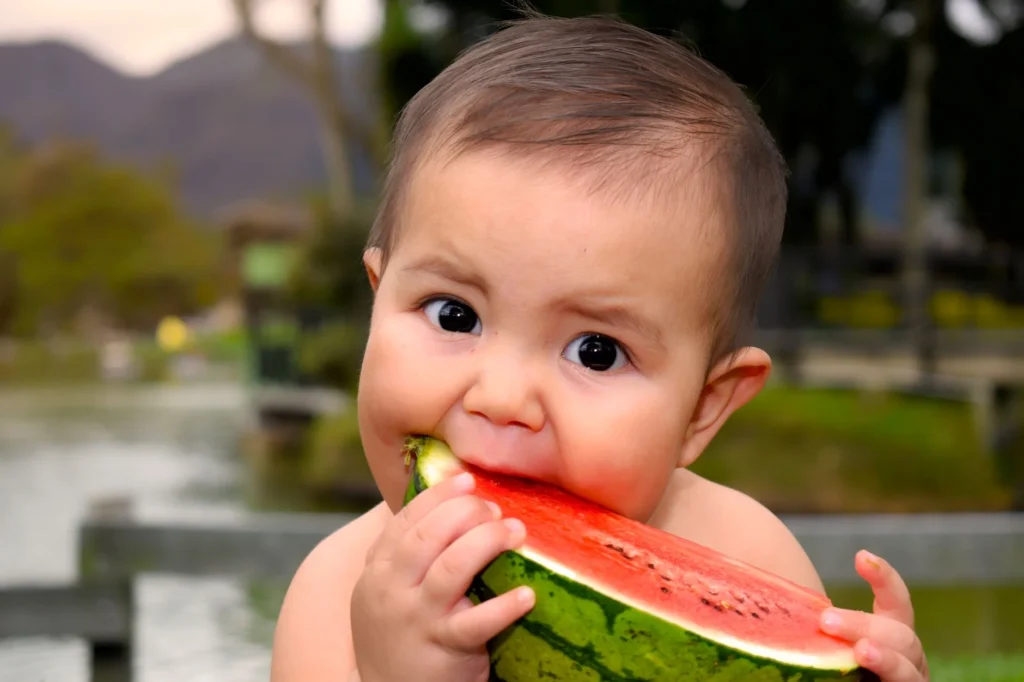
Who These Recipes Suit
These recipes are ideal for babies who are ready to start solids, typically around 4-6 months of age, showing signs like good head control, sitting with support, and showing interest in food. We’ll cover simple purees for those first few weeks and easy-to-manage finger foods as your little one grows more confident.

Puree Power: First Tastes
Purees are a gentle introduction to solids, offering smooth textures that are easy for tiny mouths to manage.
Single-Ingredient Sweet Potato Puree
Sweet potatoes are packed with nutrients and have a naturally sweet flavor most babies love.

- Ingredients: 1 medium sweet potato
Steps:
- Peel and chop the sweet potato into 1-inch cubes.
- Steam the sweet potato cubes until they are very tender (about 15-20 minutes).
- Transfer the cooked sweet potato to a blender or food processor. Add a small amount of breast milk, formula, or water as needed to achieve a smooth, desired consistency.
- Blend until completely smooth.
Storage & Serving:
Let it cool completely. Serve immediately, or store in airtight containers in the refrigerator for up to 3 days, or freeze in ice cube trays for up to 2 months. Thaw frozen portions in the refrigerator overnight or by gently warming.
Creamy Avocado Puree
Avocado offers healthy fats crucial for brain development and has a wonderfully creamy texture.
- Ingredients: 1 ripe avocado
Steps:
- Cut the avocado in half, remove the pit, and scoop out the flesh.
- Place the avocado flesh into a bowl.
- Mash thoroughly with a fork until smooth, or use a blender for a silkier consistency. Add a tiny splash of breast milk, formula, or water if needed to thin.
Storage & Serving:
Serve immediately to avoid browning. If you must store it, place it in an airtight container with a lemon wedge (do not let baby consume lemon) to help prevent browning and refrigerate for up to 1 day.
Finger Food Fun: Exploring Textures
As your baby masters purees and shows interest in self-feeding, offer soft, safely sized finger foods.
Soft-Cooked Carrot Sticks
Carrots are a classic first vegetable, naturally sweet and full of vitamins.
- Ingredients: 1 large carrot
Steps:
- Wash, peel, and cut the carrot into sticks about 2-3 inches long and roughly the size of your pinky finger.
- Steam the carrot sticks until they are very soft and easily mashable between your fingers (about 10-15 minutes).
- Allow to cool completely before serving.
Storage & Serving:
Serve immediately, or store in an airtight container in the refrigerator for up to 2 days. Always supervise your baby closely when they are eating finger foods.
Banana Pieces
Bananas are a fantastic first finger food – soft, sweet, and no cooking required!
- Ingredients: 1 ripe banana
Steps:
- Peel the banana.
- Cut into small, manageable pieces about the size of your baby’s pinky fingernail, or into thin strips if preferred.
Storage & Serving:
Serve immediately. Bananas brown quickly once cut. This is a perfect on-the-go snack.
Important Safety Notes for Feeding Your Little One
Safety is paramount when introducing solids. Keep these guidelines in mind:
- No Honey Under 1 Year: Never give honey to a baby under one year of age due to the risk of infant botulism.
- Avoid Added Salt and Sugar: Babies do not need added salt or sugar. Their kidneys are not developed enough to process excess salt, and sugar creates unhealthy eating habits.
- Allergy Introduction: Introduce new foods one at a time, waiting 3-5 days between each new food. This helps you identify any potential allergies or sensitivities. If you notice signs like hives, swelling, difficulty breathing, or severe vomiting, stop feeding the food and contact your pediatrician immediately.
- Choking Hazards: Always cut food into small, appropriate sizes. Avoid whole grapes, nuts, large chunks of meat, hot dogs, popcorn, and sticky foods like large dollops of nut butter, as these can be serious choking hazards.
- Supervise Closely: Never leave your baby unattended while eating. Always be present and attentive.
- When to Contact a Professional: If you have any concerns about your baby’s feeding, development, or suspect an allergic reaction, always reach out to your pediatrician or a healthcare professional.
Images sourced from Pexels.