
Welcome to 24 weeks! You’re well into your second trimester, and both you and your baby are experiencing some significant changes. This week often brings a mix of excitement and new sensations as your little one grows rapidly.
What happens this week?

Baby’s Development
Your baby is now about the size of a cantaloupe, weighing around 1.3 to 1.5 pounds and measuring roughly 11.8 inches from head to heel. Their facial features are well-defined, and they’re continuing to put on fat, which will help keep them warm after birth. Those tiny lungs are rapidly developing, producing surfactant, a substance that helps them inflate and deflate properly. Their brain is also growing quickly, with increasing activity. Your baby’s senses are becoming more refined too – they can hear sounds from outside your womb, like your voice, and may even react to bright lights or loud noises. Some babies might even respond to touch by this stage!
Mama’s Body
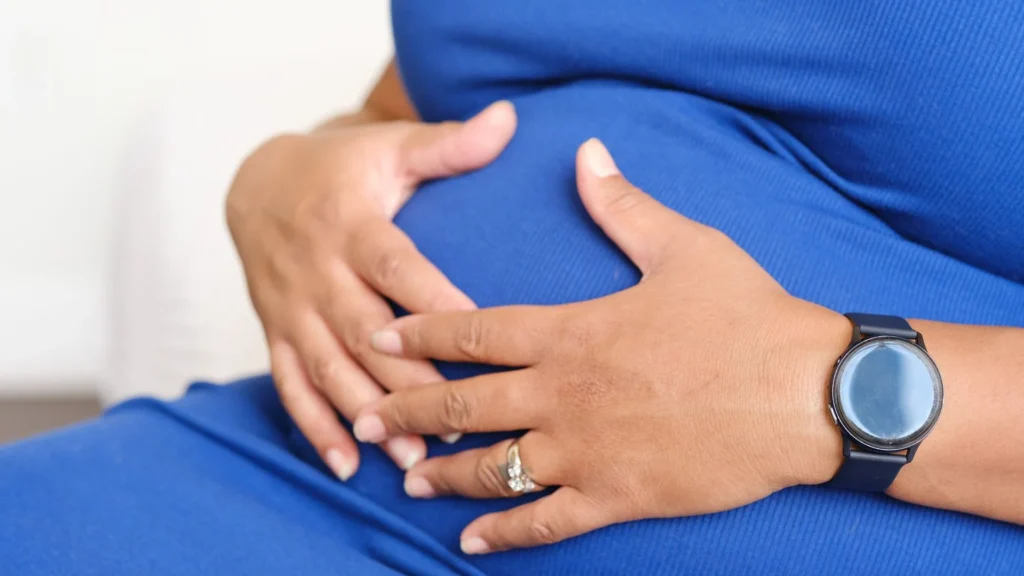
Your growing belly is likely quite prominent now, and you might feel your baby’s movements more frequently and distinctly. Many expectant parents describe these movements as kicks, jabs, or even rolls. It’s also common to start feeling Braxton Hicks contractions, which are mild, irregular tightenings of your uterus. They’re usually not painful and often disappear when you change positions or hydrate. You might notice some aches and pains as your ligaments stretch and your center of gravity shifts. Swollen feet or ankles can also occur, especially towards the end of the day. Keeping hydrated and elevating your feet can often help.

Please remember, the information provided here is for general knowledge and informational purposes only, and does not constitute medical advice. Always consult with a qualified healthcare professional for any health concerns or before making any decisions related to your health or care.
Tips for Mom
- Stay Hydrated: Drinking plenty of water is crucial. It helps prevent dehydration, which can lead to fatigue, headaches, and even contribute to Braxton Hicks contractions.
- Monitor Fetal Movement: While not usually a formal kick count until later, getting to know your baby’s movement patterns can be reassuring. If you notice a significant decrease or change, contact your healthcare provider.
- Consider Glucose Screening: Many healthcare providers recommend a glucose screening test between 24 and 28 weeks to check for gestational diabetes. Talk to your doctor about this.
- Comfortable Sleep: Sleeping on your side is generally recommended, especially your left side, to improve blood flow to your baby and uterus. Use pillows to support your belly and between your knees for added comfort.
- Nursery Planning: If you haven’t already, now is a good time to start thinking about nursery ideas, essential baby gear, and what you’ll need for the arrival.
- Prenatal Classes: Look into prenatal or childbirth classes in your area. They offer valuable information and can help you feel more prepared for labor and delivery.
Simple Checklist
- Discuss glucose screening with your doctor.
- Start familiarizing yourself with baby’s movement patterns.
- Continue taking your prenatal vitamins.
- Begin researching or registering for prenatal classes.
- Hydrate frequently throughout the day.
- Consider comfortable shoes and supportive clothing.

Frequently Asked Questions
Is it normal to feel lightheaded sometimes at 24 weeks?
Yes, occasional lightheadedness can be common during pregnancy due to changes in blood volume and circulation. Stand up slowly, stay hydrated, and avoid prolonged standing. If lightheadedness is frequent, severe, or accompanied by other symptoms like blurred vision or fainting, it’s important to contact your healthcare provider promptly.
What are the warning signs I should look out for?
While many pregnancy symptoms are normal, it’s always wise to be aware of potential red flags. Contact your healthcare provider immediately if you experience severe abdominal pain, vaginal bleeding, fluid leaking, sudden or severe swelling in your face or hands, persistent headaches, changes in vision, or a significant decrease in fetal movement. These could be signs of a more serious issue.
This information serves as a general guide and should not replace personalized medical advice. Always discuss any health concerns with your healthcare professional.
Images sourced from Pexels.