
Wholesome First Bites: Baby-Led Weaning for Little Explorers
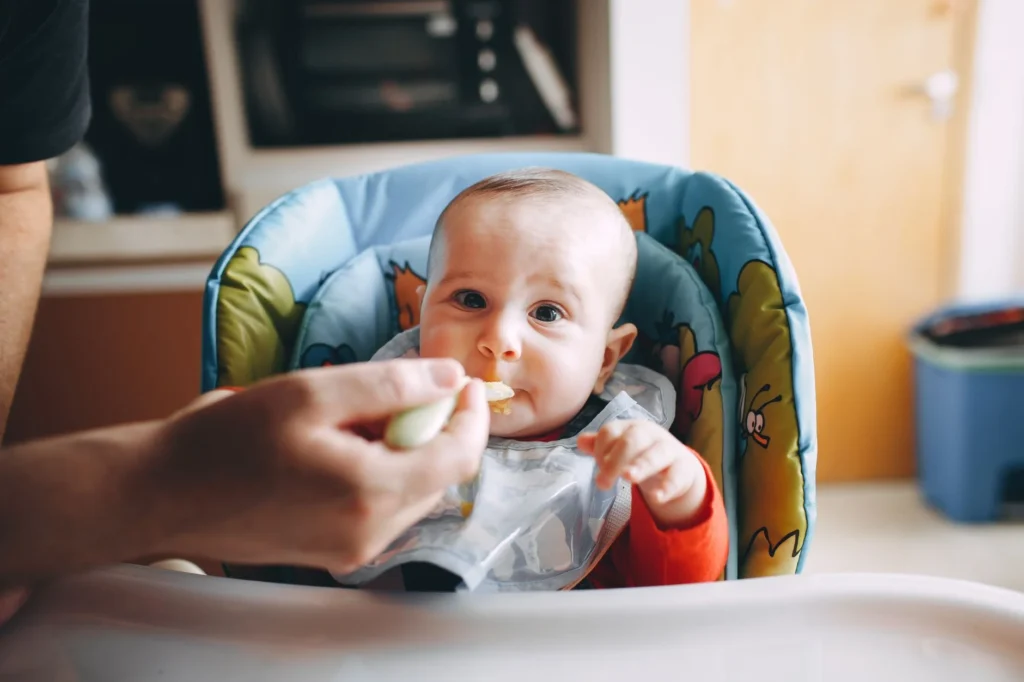
Embarking on the journey of introducing solids can be incredibly exciting! Baby-led weaning (BLW) offers a wonderful approach, allowing your little one to take the lead in exploring new tastes and textures. It’s all about letting them pick up food, bring it to their mouth, and discover eating at their own pace. This method typically suits babies around six months old who show clear signs of readiness, such as being able to sit unsupported, having good head control, and showing interest in food.
Please note: The information provided here is for general guidance and informational purposes only, and does not constitute medical advice. Always consult with a healthcare professional, like your pediatrician or a registered dietitian, for personalized advice regarding your baby’s nutrition and health.
Who Baby-Led Weaning Suits
Baby-led weaning is ideal for babies who meet key developmental milestones, usually around six months of age. They should be able to sit up independently and bring objects to their mouth. It encourages fine motor skills, hand-eye coordination, and allows babies to tune into their own hunger and fullness cues. It’s a journey of discovery, not just about nutrition!
Simple & Soft Sweet Potato Sticks
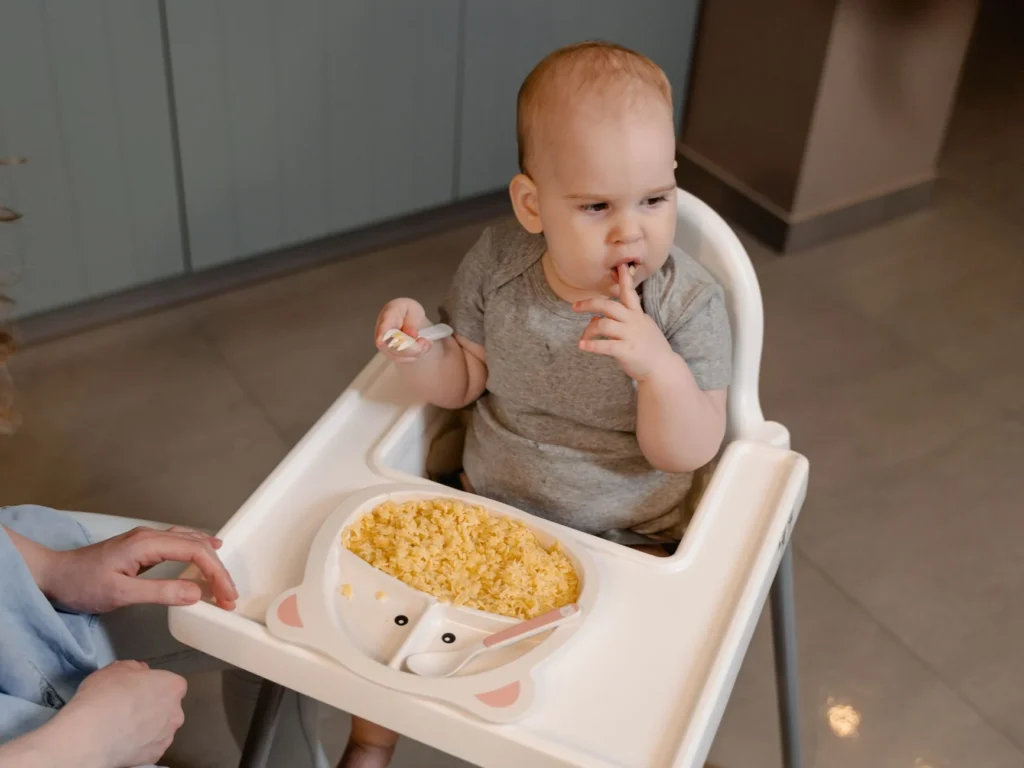
Sweet potatoes are a fantastic first food – naturally sweet, packed with nutrients, and easy to prepare. Their soft texture makes them perfect for little hands to grasp.
Ingredients:
- 1 medium sweet potato
- A drizzle of olive oil (optional, for roasting)
Steps:
- Preheat your oven to 400°F (200°C) if roasting, or prepare a steamer basket.
- Peel the sweet potato and cut it into thick, finger-sized sticks (about the size of your pointer finger). This shape is perfect for baby’s palmar grasp.
- For Roasting: Toss the sweet potato sticks with a tiny bit of olive oil. Spread them on a baking sheet lined with parchment paper. Roast for 20-25 minutes, or until very soft and easily squishable between your fingers.
- For Steaming: Place the sweet potato sticks in a steamer basket over boiling water. Steam for 10-15 minutes, or until fork-tender.
- Allow the sweet potato sticks to cool completely before offering them to your baby. They should be soft enough to mash easily with gentle pressure.
Creamy Avocado & Banana Mash Fingers
This simple combination offers healthy fats and natural sweetness, making it another excellent choice for early eaters. Serving it mashed and spread on a finger-sized piece of toast or a soft cracker helps little ones manage it.
Ingredients:
- 1/2 ripe avocado
- 1/2 ripe banana
- 1 slice of whole wheat toast or a soft baby cracker (optional)
Steps:
- Peel the avocado and banana. In a small bowl, mash them together thoroughly with a fork until smooth and creamy. Ensure there are no large lumps.
- If using, lightly toast a slice of whole wheat bread (ensure no hard crusts for baby). Cut it into finger-sized strips.
- Spread a thin layer of the avocado and banana mash onto the toast strips or soft cracker.
- Offer to your baby, allowing them to pick up the toast or cracker themselves.
Storage & Serving
Prepared sweet potato sticks can be stored in an airtight container in the refrigerator for up to 2-3 days. The avocado and banana mash is best served fresh, as avocado tends to brown quickly once exposed to air. Always supervise your baby closely during mealtimes. Ensure foods are cut into appropriate shapes and are soft enough to prevent choking hazards.
Important Safety Notes for First Eaters
- No Honey Under One: It’s crucial to remember that honey should never be given to babies under one year old due to the risk of infant botulism.
- Skip the Salt and Sugar: Avoid adding salt or sugar to your baby’s food. Their kidneys aren’t fully developed to process excess salt, and sugar offers no nutritional benefit. Let them enjoy the natural flavors!
- Allergy Introduction: When introducing new foods, especially common allergens (like dairy, eggs, peanuts, tree nuts, soy, wheat, fish, shellfish), offer them one at a time over a few days. This helps you identify any potential reactions. If you notice signs of an allergic reaction (like hives, swelling, difficulty breathing), seek immediate medical attention.
- Choking Hazards: Always ensure food is prepared in appropriate sizes and textures. Avoid small, round, or hard foods like whole grapes, nuts, popcorn, and chunks of raw apple. Cut foods lengthwise into finger shapes, or mash them well.
If you have any concerns about your baby’s feeding, growth, or development, or if you suspect an allergic reaction, do not hesitate to reach out to your pediatrician or another healthcare provider.
Images sourced from Pexels.