
Welcome to the exciting world of toddlerhood! Your little one is officially past their first birthday, and each day brings new discoveries and leaps in development. At 13 months, you’re likely noticing rapid changes as they become more mobile, expressive, and independent. Get ready for an adventure!
What Changes Now?
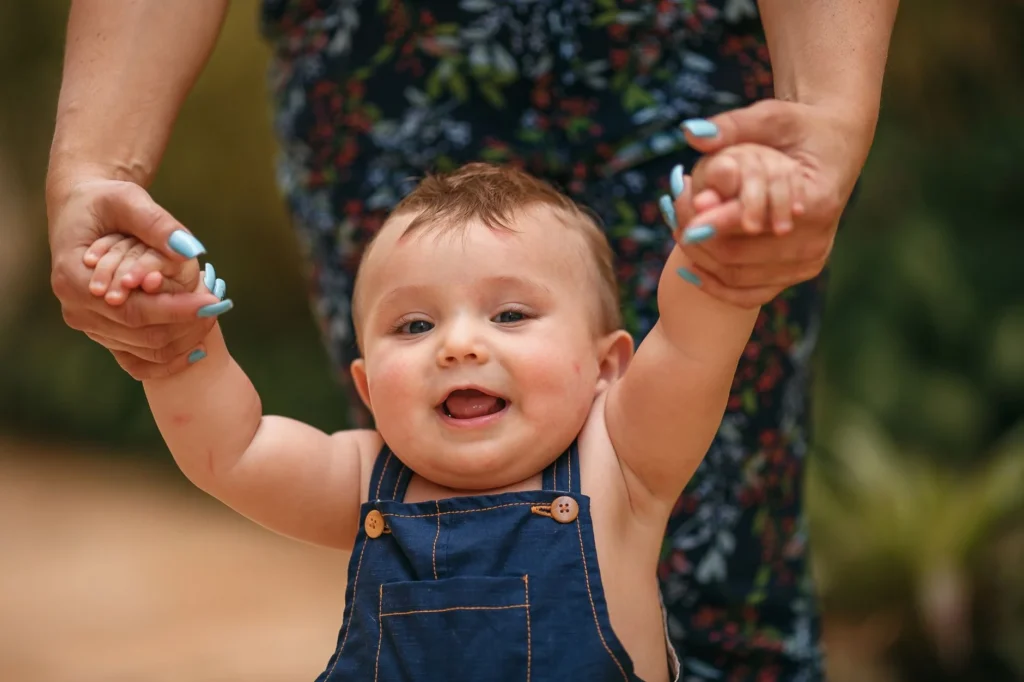
The transition from baby to toddler is a big one. You might see a surge in your child’s personality and a strong drive to explore their surroundings. Physically, they’re growing stronger and more coordinated. Mentally, their ability to understand and interact with the world around them is expanding quickly. Expect big emotions, incredible learning, and a whole lot of energy!
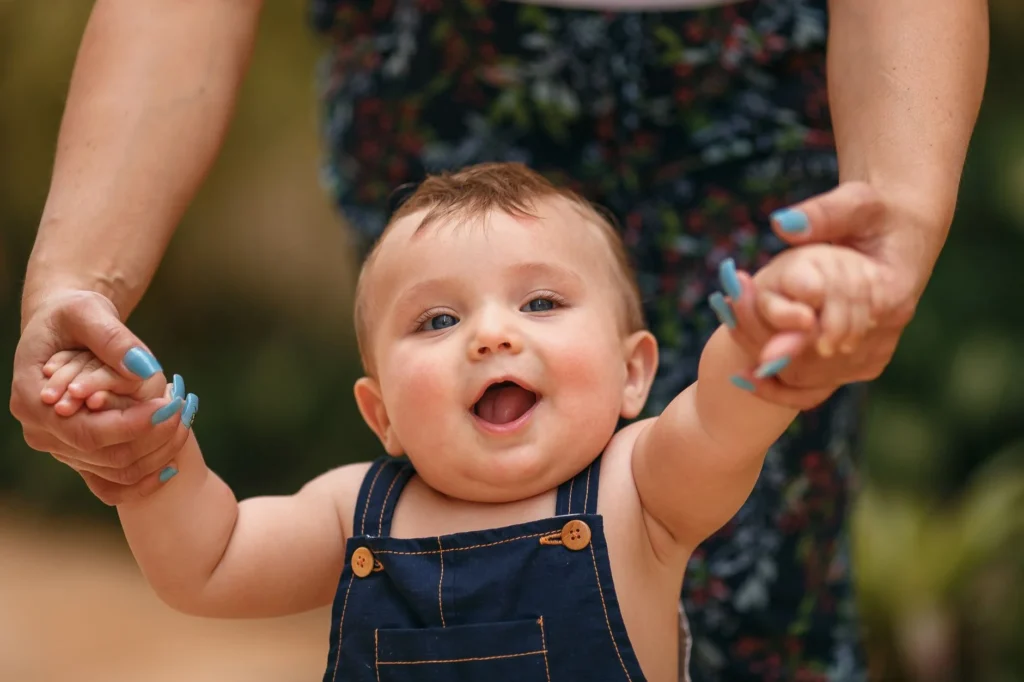
Cognitive Leaps and Language Bursts
Your 13-month-old is absorbing information like a sponge. They’re beginning to understand simple commands and may point to objects when you name them. Early words, like “mama,” “dada,” or “ball,” are becoming more frequent. Some toddlers are chatterboxes, while others prefer to observe before speaking, which is completely normal at this age.

Sleep
Around 13 months, many toddlers still need one or two naps during the day, along with about 11-14 hours of sleep at night. Some might be trying to drop their second nap, leading to a period of overtiredness or earlier bedtime. Maintaining a consistent bedtime routine is more important than ever. A warm bath, a quiet story, and cuddles can signal it’s time to wind down.
Common Sleep Challenges
Separation anxiety can sometimes peak around this age, making bedtime a bit tougher. Stick to your routine, offer reassurance, and try to avoid creating new habits that are hard to break later. If your child is fighting naps, it might be a temporary phase or a sign they’re ready for one longer nap instead of two shorter ones.
Feeding
Your toddler is becoming more adept at self-feeding, often showing strong preferences for certain foods. Continue offering a wide variety of nutritious options, focusing on whole grains, fruits, vegetables, and lean proteins. Cut food into small, manageable pieces to prevent choking. Offering three meals and two to three snacks a day works well for most little ones.
Important Feeding Notes
- Remember, honey should not be given to children under one year of age.
- Avoid adding extra salt or sugar to your toddler’s food, as their tiny kidneys and taste buds don’t need it.
- When introducing new foods, offer them one at a time over a few days. This helps you identify any potential sensitivities or allergies.
Disclaimer: This information is for general guidance only and is not a substitute for professional medical advice. Always consult with your pediatrician for personalized dietary recommendations.
Play & Development
This is a vibrant stage for physical and cognitive growth. Every day brings new achievements.
Motor Skills
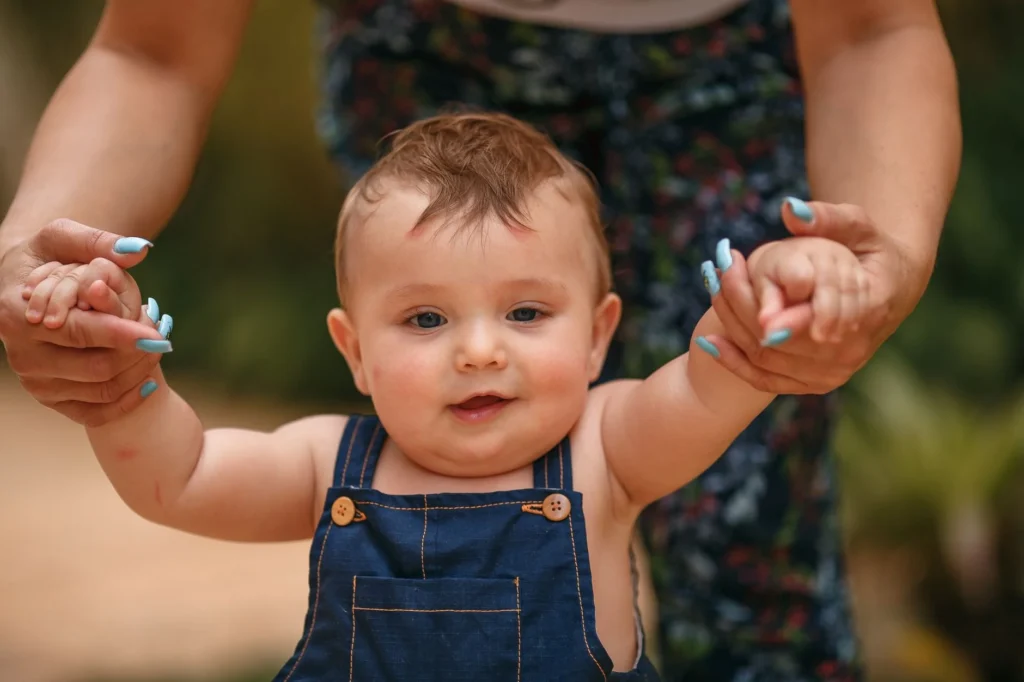
Many 13-month-olds are taking their first wobbly steps, while others are already zipping around. Even if they’re not walking yet, crawling, cruising, and pulling up to stand are excellent gross motor skills. Provide safe spaces for them to practice climbing and exploring. Fine motor skills are also progressing; they might enjoy stacking a few blocks, putting items into containers, or pointing with their index finger.
Cognitive & Language Development
Your toddler is learning cause and effect and understanding simple instructions. They can point to body parts, wave “bye-bye,” and might use a few meaningful words. Encourage language by talking to them constantly, narrating your day, and reading board books together. Point out objects and name them. Singing songs and making animal sounds are also fantastic for language development.
Social-Emotional Growth
Imitation is a key aspect of learning at this age. Your little one might mimic your actions, like talking on a toy phone or stirring in a play kitchen. They’re also starting to assert their independence, which can sometimes manifest as frustration. Acknowledge their feelings, offer choices when appropriate, and provide plenty of loving comfort.
Practical Tips for Parents
Life with a 13-month-old is a whirlwind, but a joyful one. Here are a few pointers to help navigate this exciting time:
- Toddler-Proof Everything: Get down on your hands and knees and see your home from their perspective. Secure cabinets, cover outlets, and block off stairs. Safety first!
- Encourage Exploration: While keeping safety in mind, allow them plenty of opportunities to explore. This builds confidence and helps them learn about their environment.
- Embrace Routines: Predictable routines for meals, naps, and bedtime provide a sense of security and help manage expectations.
- Read and Sing Daily: Even short bursts of reading and singing can make a huge difference in language and cognitive development.
- Manage Tantrums with Patience: Early tantrums are often expressions of frustration or being overwhelmed. Stay calm, offer comfort, and try to understand what they’re communicating.
Frequently Asked Questions
When should I be concerned if my 13-month-old isn’t walking?
Many children start walking between 9 and 15 months, but some can take a bit longer. If your child is cruising, crawling, or pulling themselves to stand, they are likely building the strength needed to walk soon. However, if your child shows no signs of trying to bear weight on their legs, or isn’t crawling or attempting to move independently, it’s always a good idea to discuss this with your pediatrician. They can assess development and offer reassurance or guidance. This is general information only; please consult a healthcare professional for specific concerns.
How can I encourage my toddler to talk more?
The best way to encourage language is to engage your child in conversation throughout the day. Narrate what you’re doing (“Mama is putting on your socks”), point out objects and name them, read books, and sing songs. Respond enthusiastically to their babbles and early words. Even if they’re not saying many words yet, they are absorbing everything you say.
Images sourced from Pexels.