
What Changes Now?

At three weeks old, your baby is still very much a newborn, but you might start to notice subtle shifts. Those first blurry days are slowly giving way to slightly more predictable (though still very flexible!) patterns. Your little one is growing rapidly, often experiencing what feels like a growth spurt around this time, which can mean more frequent feeding and fussiness.
Physically, they’re still quite scrunched, but their movements might appear a tiny bit smoother. They’re gaining weight and their tiny hands and feet are becoming a bit chubbier. Reflexes like rooting and grasping are still strong, and you might catch them briefly focusing on your face or high-contrast patterns for a few seconds.
Sensory Development
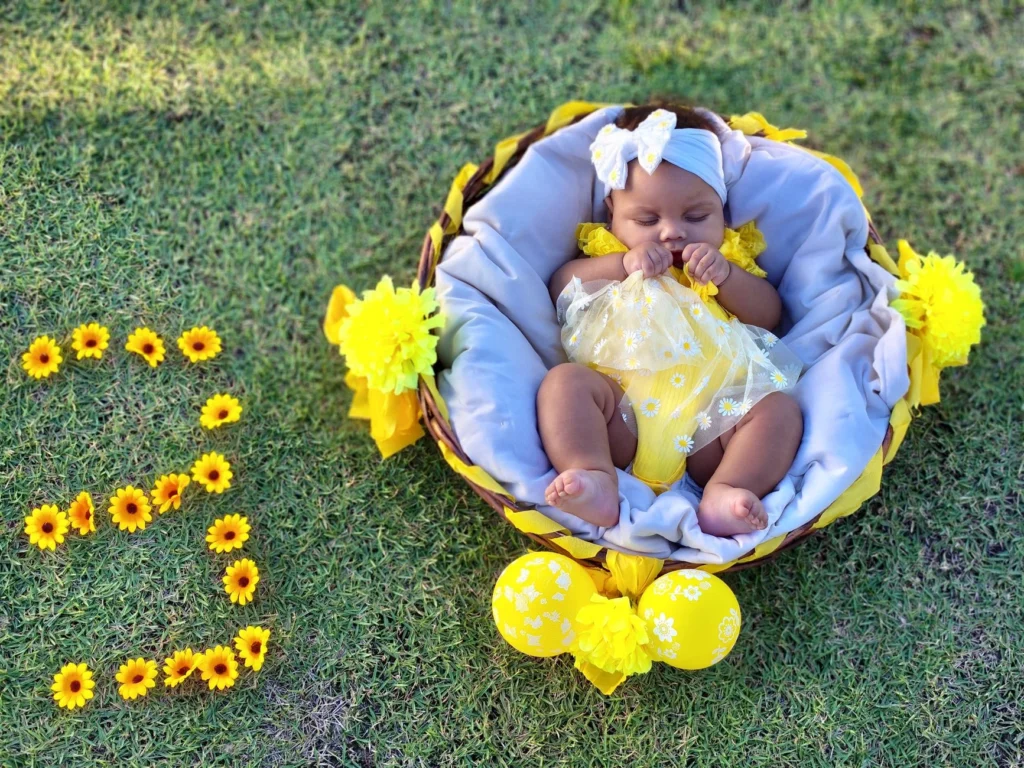
Their vision is developing, allowing them to see objects clearly up to about 8-12 inches away – just the right distance to gaze at your face during a cuddle or feed. They react to loud noises and can distinguish your voice from others. Gentle touch, rocking, and soothing sounds are incredibly comforting.

Sleep
Sleep for a 3-week-old remains highly fragmented. Most newborns sleep between 14 to 17 hours a day, but in short bursts, often waking every 2-3 hours for feeding. Don’t expect long stretches yet; their tiny tummies need regular refueling.
You might observe some day/night confusion, where your baby is more alert in the evenings and sleeps more during the day. Keeping daytime bright and nighttime dark and quiet can help them slowly learn the difference.
Safe Sleep Practices
Always place your baby on their back to sleep, every time. Ensure their sleep space has a firm mattress, a fitted sheet, and no loose blankets, bumpers, or toys. A bassinet or crib in your room is recommended for at least the first six months.
Feeding
Whether you’re breastfeeding or formula-feeding, feeding at three weeks is frequent and often demand-led. A growth spurt can mean your baby wants to feed even more often than usual, sometimes clustering feeds or showing signs of hunger shortly after a previous feeding. This is normal and helps establish your milk supply if breastfeeding.
Signs of Hunger & Fullness
Watch for early hunger cues like rooting, lip smacking, or bringing hands to mouth. Crying is a late sign of hunger. When full, your baby might turn away from the breast or bottle, relax their body, or fall asleep. A good indicator of sufficient intake is plenty of wet diapers (around 6-8 per day) and regular bowel movements.
Play & Development
Even at three weeks, your baby is learning and developing through interaction. While formal ‘playtime’ is minimal, every interaction is a chance for development.
- Interaction: Talk to your baby often, describe what you’re doing, and sing soft songs. Your voice is a powerful tool for connection.
- Visual Stimulation: Hold them close and let them gaze at your face. High-contrast black and white toys or cards can capture their attention for short periods.
- Tummy Time: Start introducing very short (1-2 minute) sessions of tummy time while they are awake and supervised. This helps strengthen their neck and shoulder muscles. Place them on your chest or a flat, firm surface.
Practical Tips
These early weeks are intense, but also incredibly special. Remember to be kind to yourself.
- Ask for Help: Don’t hesitate to lean on your partner, family, or friends for support with chores, meals, or simply holding the baby so you can rest.
- Prioritize Rest: Sleep when the baby sleeps, even if it’s just a short nap. Rest is crucial for your recovery and well-being.
- Crying: All babies cry, and a 3-week-old’s crying can be intense. Rule out hunger, a wet diaper, temperature, or overtiredness. Sometimes, they just need comfort. Swaddling, gentle rocking, or shushing can help.
- Gentle Care: Keep their umbilical cord stump dry and clean. Bathe them gently, perhaps with a sponge bath until the cord falls off.
When to Contact a Healthcare Professional
It’s important to trust your instincts. While fussiness is common, always contact your healthcare provider if your baby develops a fever (especially if they are under 8 weeks), has difficulty breathing, is unusually lethargic, isn’t feeding well, or if you have any other concerns about their health or development. This information is for general knowledge and informational purposes only, and does not constitute medical advice.
Frequently Asked Questions
How much should a 3-week-old baby sleep?
A 3-week-old typically sleeps 14 to 17 hours within a 24-hour period, broken into many short segments. They’ll wake frequently for feedings.
Is it normal for a 3-week-old to cry a lot?
Yes, crying is normal for newborns and often peaks around 6-8 weeks, but it can feel intense at three weeks. Babies communicate through crying, and sometimes they just need to be held and comforted.
When will my baby start smiling?
While you might catch some gas smiles (often due to reflex) at three weeks, true social smiles usually begin to emerge between 6 to 12 weeks of age.
Images sourced from Pexels.