
Embarking on the journey of introducing solids can be an exciting milestone! Baby-led weaning (BLW) invites your little one to take the lead, exploring tastes and textures at their own pace. Instead of spoon-feeding purees, BLW offers appropriately sized pieces of soft food for babies to pick up and feed themselves. It’s a wonderful way to foster independence, fine motor skills, and a positive relationship with food right from the start.
Who is Baby-Led Weaning For?

Baby-led weaning is often a great fit for babies who show signs of readiness. This typically happens around 6 months of age, but every baby is different. Look for cues like sitting up unassisted, losing the tongue-thrust reflex (which pushes food out of their mouth), showing interest in your food, and being able to grasp objects and bring them to their mouth.

It’s about allowing them to explore and discover food textures, smells, and tastes independently. This approach can be particularly appealing to parents who want to encourage self-feeding and develop a baby’s chewing skills early on.
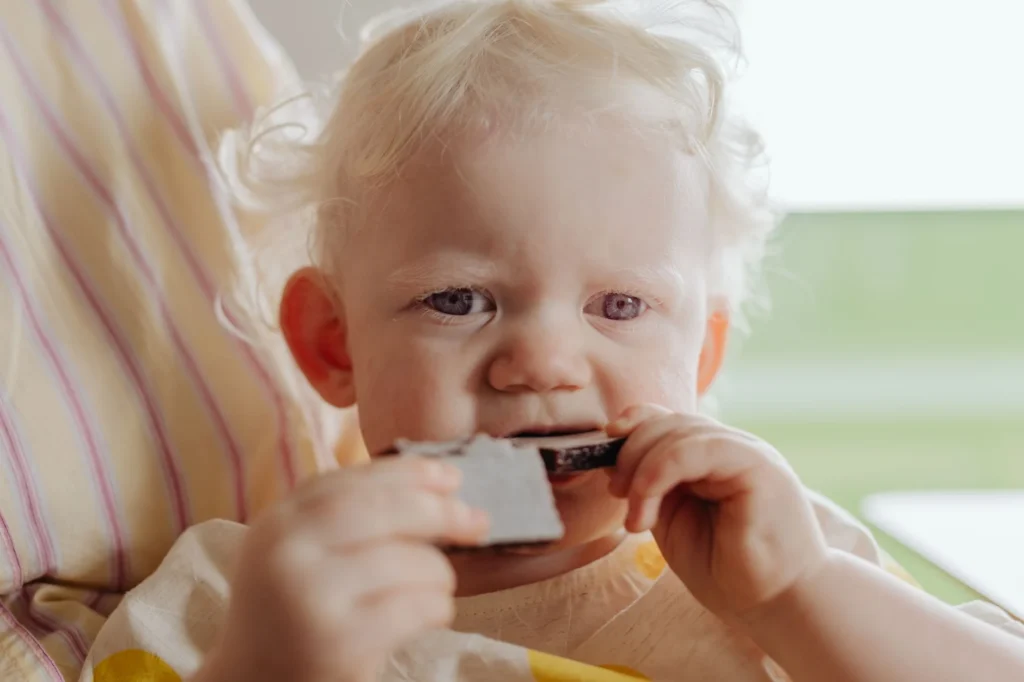
General information only. Not medical advice. Always consult with a healthcare professional for personalized guidance regarding your baby’s health and development.

Getting Started: Simple First Solids
When you first introduce solids, think soft, easy-to-grasp, and single ingredients. Aim for foods that are cooked until very soft, or naturally soft, and cut into finger-length sticks or florets. This allows your baby to hold them in their fist with a bit sticking out to munch on. Remember, milk (breast milk or formula) remains their primary source of nutrition for the first year, so food is initially for exploration.
Soft Roasted Sweet Potato Sticks
Ingredients
- 1 medium sweet potato
- A tiny drizzle of olive oil (optional, for roasting)
Steps
- Preheat your oven to 400°F (200°C).
- Peel the sweet potato and cut it into finger-length sticks, about the size of an adult pinky finger.
- (Optional) Toss with a tiny drizzle of olive oil.
- Spread the sweet potato sticks on a baking sheet lined with parchment paper.
- Roast for 20-25 minutes, or until very soft and easily squishable between two fingers.
- Let them cool completely before serving to your baby.
Storage & Serving
Store leftover sweet potato sticks in an airtight container in the refrigerator for up to 3 days. Reheat gently or serve at room temperature. Always ensure they are very soft before offering.
Steamed Broccoli Florets
Ingredients
- 1 head of broccoli
Steps
- Wash the broccoli thoroughly.
- Cut the broccoli into small florets, making sure each floret has a bit of the stem attached (this makes it easier for baby to grip).
- Steam the florets until they are very tender and can be easily mashed with gentle pressure, typically 8-10 minutes.
- Let them cool completely before serving.
Storage & Serving
Cooked broccoli can be stored in an airtight container in the fridge for up to 3 days. Serve at room temperature or gently warmed. Ensure it’s always soft enough for your baby.
Mashed Avocado with a Hint of Lemon
Ingredients
- ½ ripe avocado
- A tiny squeeze of lemon juice (optional, to prevent browning)
Steps
- Cut the avocado in half, remove the pit, and scoop out the flesh.
- Mash the avocado thoroughly with a fork until smooth or slightly lumpy, depending on your baby’s preference and stage.
- (Optional) Add a tiny squeeze of lemon juice and mix well.
- Serve as a dip for other soft foods or pre-load onto a spoon for your baby to grasp. For direct BLW, you can cut ripe avocado into thick slices (skin removed) for them to hold.
Storage & Serving
Avocado is best served fresh due to browning. If you must store it, cover tightly with plastic wrap directly touching the surface of the avocado and refrigerate for up to a day. The lemon juice helps too.
Important Safety Notes for Baby-Led Weaning
Safety is paramount when introducing solids. Here are crucial points to remember:
- Choking Hazards: Always be mindful of choking risks. Avoid whole grapes, whole nuts, large chunks of meat, hot dogs, hard candies, and sticky foods like large blobs of peanut butter. Cut round foods like cherry tomatoes or grapes into quarters.
- No Honey Under One: Never give honey to babies under one year of age due to the risk of infant botulism.
- Avoid Added Salt and Sugar: Babies’ kidneys are not fully developed to process high amounts of salt, and added sugar isn’t necessary for their diet and can lead to unhealthy eating habits. Always prepare foods without these additions.
- Introducing Allergens: When introducing potential allergens (like eggs, nuts, fish, dairy), do so one at a time. Offer a small amount, and then wait a few days before introducing another new potential allergen. This makes it easier to identify any reactions. Watch for signs like hives, swelling, vomiting, diarrhea, or difficulty breathing.
- Always Supervise: Never leave your baby unattended while they are eating. Be present and attentive to ensure they are safely managing their food.
- Positioning: Ensure your baby is sitting upright in a high chair or on your lap, fully supported, when eating.
If you notice any signs of an allergic reaction (such as hives, swelling, difficulty breathing), or have concerns about choking, seek immediate medical attention. For any persistent worries about feeding or your baby’s health, growth, or development, please speak with your pediatrician or a qualified healthcare provider.
Images sourced from Pexels.