
Embracing Finger Foods for Your Growing Toddler
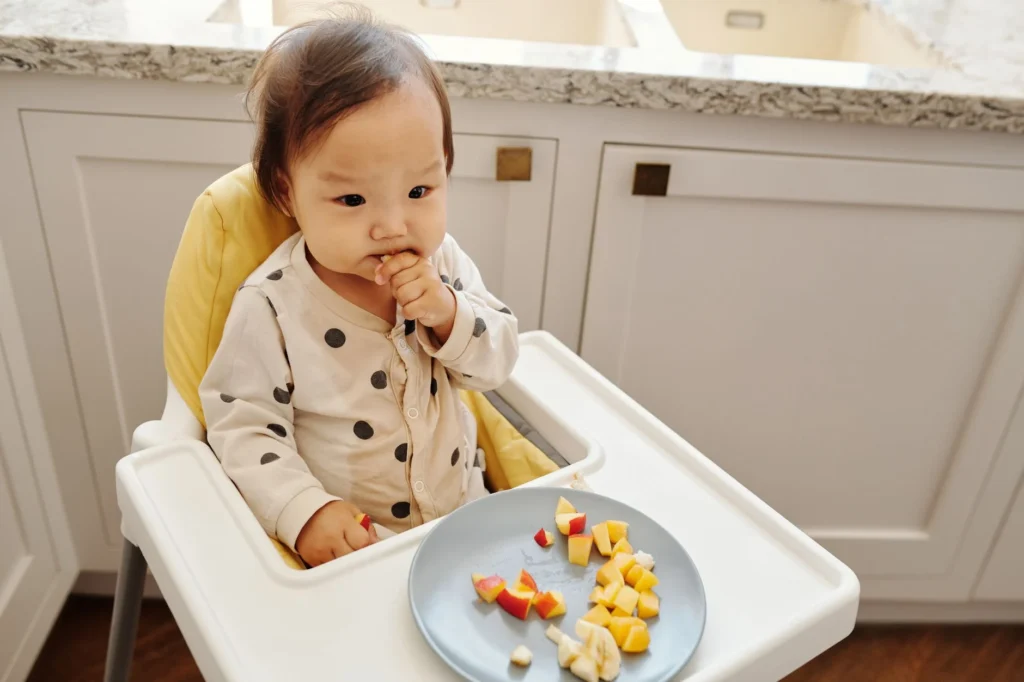
As your little one moves past their first birthday, the world of food opens up in exciting ways. Toddlers love to explore, and giving them nutritious finger foods isn’t just about mealtime; it’s a fantastic opportunity for them to practice fine motor skills, develop independence, and discover new tastes and textures. It can make mealtimes a lot more engaging for everyone!
Who It Suits
Finger foods are perfect for toddlers generally aged 12 months and up. At this stage, many children are developing their pincer grasp (using their thumb and forefinger to pick up small items) and showing an interest in feeding themselves. If your toddler is trying to grab the spoon, reaching for food on your plate, or has a few teeth, they’re likely ready to dive into the wonderful world of self-feeding with appropriate finger foods.

Nutritious Finger Food Ideas
Variety is key when planning meals for your toddler. Offering a mix of food groups helps ensure they get a wide range of essential nutrients. Always cut foods into small, manageable pieces to prevent choking.
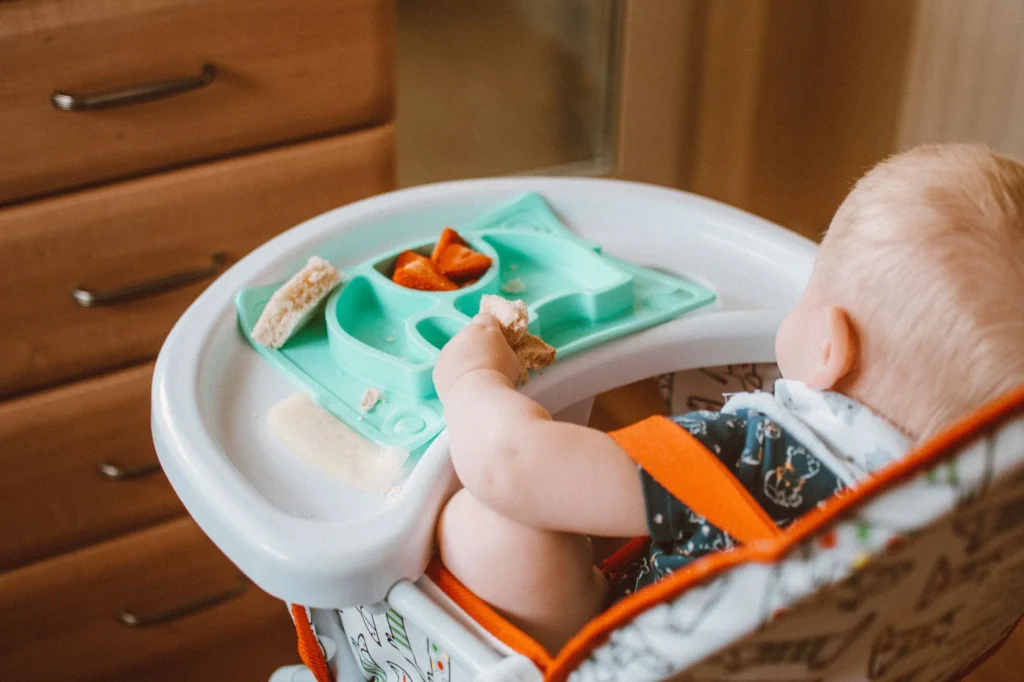
Soft Fruits
- Banana slices: Easy to chew and a good source of potassium.
- Berries: Halve or quarter larger berries like strawberries. Blueberries should be squashed or halved.
- Melon cubes: Watermelon or cantaloupe, cut into small, soft pieces.
- Cooked apple or pear: Steamed or baked until very soft.
Cooked Vegetables
- Steamed broccoli or cauliflower florets: Soft enough to mash with gums.
- Cooked carrot sticks or sweet potato cubes: Steamed until fork-tender.
- Peas: Soft and fun to pick up.
Grains & Starches
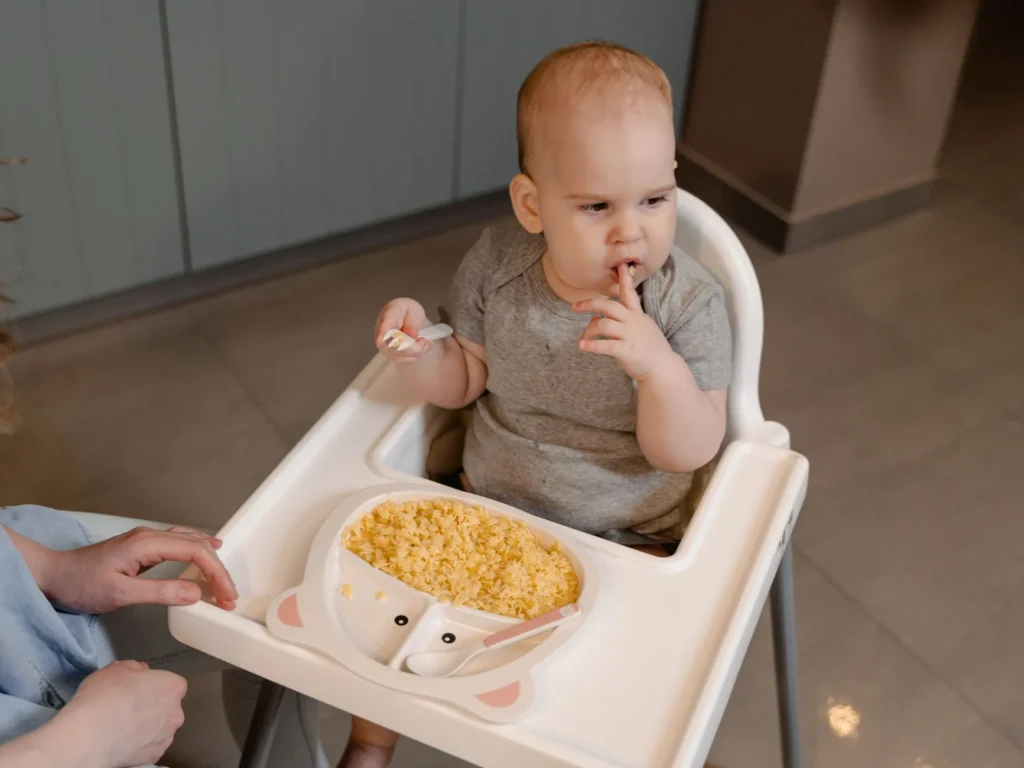
- Small pasta shapes: Cooked until very soft, like macaroni or tiny shells.
- Whole-wheat toast strips: Cut into small, easy-to-grab pieces.
- Soft cooked rice or quinoa: Can be mixed with a little sauce or mashed vegetable for easier handling.
Proteins
- Shredded cooked chicken or turkey: Very small pieces.
- Scrambled eggs: Cooked well and broken into small flakes.
- Small pieces of soft cheese: Like cheddar or mozzarella, cut into tiny cubes.
- Lentils or beans: Soft-cooked and mashed slightly if large.
Making Mealtime Simple: Steps for Success
Introducing finger foods doesn’t have to be complicated. A little preparation goes a long way.
- Prep Ahead: Wash and cut fruits and vegetables in advance, storing them in the fridge. Cook larger batches of grains or proteins that can be used for several meals.
- Offer Choices: Place a few different finger food options on their plate or high chair tray. Let your toddler choose what they want to try first.
- Keep Portions Small: Start with just a few pieces of each food. You can always offer more if they’re still hungry.
- Model Good Habits: Eat your own meals with your toddler when possible. They learn a lot by watching you.
- Be Patient with Messes: Eating independently is messy! It’s part of the learning process.
Storage & Serving Tips
Proper handling of food keeps it safe and tasty for your little one.
- Store cooked finger foods in airtight containers in the refrigerator for 2-3 days.
- Always ensure food is at a safe temperature before serving. Warm foods should be warm, not hot. Cold foods should be chilled.
- Serve finger foods on a clean plate or directly on a clean high chair tray.
- Discard any food left on the plate after a meal to prevent bacterial growth.
Important Safety Notes for Toddler Finger Foods
Keeping your toddler safe during mealtime is the top priority. Always supervise your child while they are eating.
Choking Hazards
Some foods pose a higher choking risk for toddlers. Always cut foods into appropriate sizes and shapes:
- Grapes and cherry tomatoes should always be quartered lengthwise.
- Hot dogs and sausages must be cut lengthwise into thin strips, then into very small pieces.
- Avoid whole nuts, popcorn, large chunks of meat, hard candies, chewing gum, and large spoonfuls of nut butter.
- Cut round foods into quarters or smaller, and hard foods into thin sticks or tiny cubes.
No Honey Under One Year
Honey should not be given to infants under one year of age due to the risk of infant botulism.
Avoid Added Salt and Sugar
Toddlers don’t need added salt or sugar in their diets, especially under one year. Their kidneys are still developing, and too much salt can be harmful. Excess sugar can contribute to dental issues and unhealthy eating habits later on.
Allergy Awareness
When introducing new foods, especially common allergens, it’s generally advised to introduce them one at a time. This way, if a reaction occurs, it’s easier to identify the culprit. Watch for any signs of an allergic reaction, such as hives, swelling, difficulty breathing, or vomiting. If you notice any concerning symptoms, contact a healthcare professional immediately.
This information is for general guidance only and is not intended to be a substitute for professional medical advice. Always consult with a healthcare professional or pediatrician for any health concerns or before making decisions related to your child’s health or diet.
Images sourced from Pexels.