
Getting the Right Fit: Why Baby Shoe Size Matters
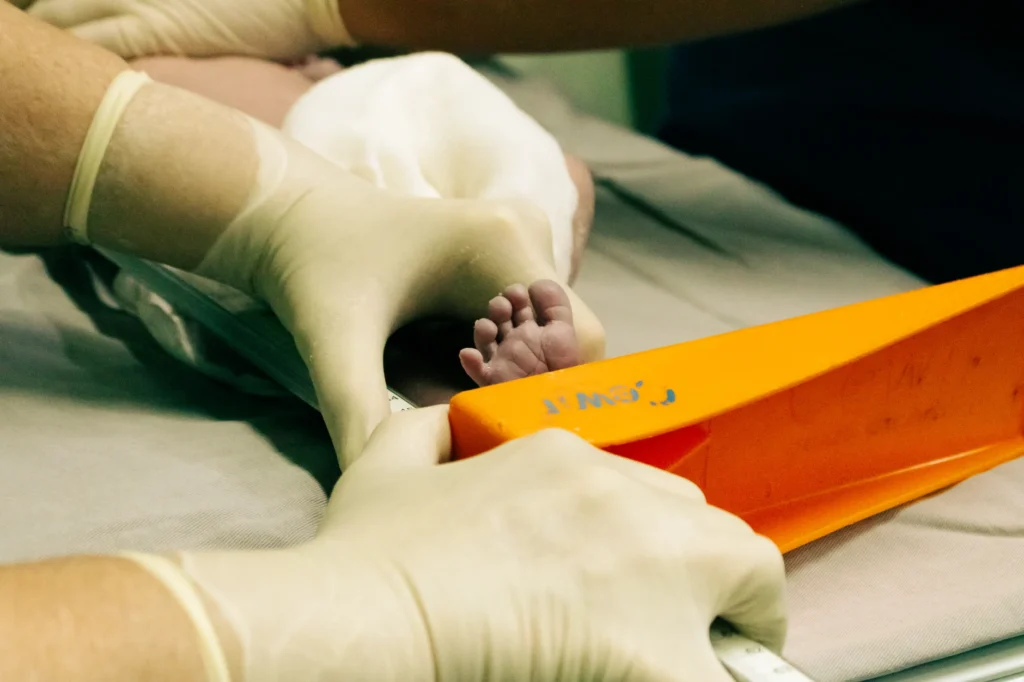
Choosing the right shoes for your little one is more than just about style. Well-fitting shoes are crucial for healthy foot development, comfort, and stability as they learn to crawl, stand, and take their first steps. Ill-fitting shoes can cause discomfort, blisters, and even impact how their feet grow. Don’t worry, finding the perfect pair is simpler than you think!
How to Accurately Measure Your Baby’s Feet at Home
Forget the guesswork! Measuring your baby’s feet regularly is the best way to ensure their shoes always fit just right. Their feet grow surprisingly fast, so re-measure every few months, especially during growth spurts.
| Foot Length (cm) | Approx. US Baby/Toddler Size | Approx. EU Size | Typical Age Range (Avg.) |
|---|---|---|---|
| 9.5 – 10.5 | US 1-2 | EU 16-17 | 0-6 Months |
| 10.5 – 11.5 | US 2-3 | EU 17-18 | 6-9 Months |
| 11.5 – 12.5 | US 3-4 | EU 18-19 | 9-12 Months |
| 12.5 – 13.5 | US 4-5 | EU 19-21 | 12-18 Months |
| 13.5 – 14.5 | US 5-6 | EU 21-22 | 18-24 Months |
| 14.5 – 15.5 | US 6-7 | EU 22-23 | 2-2.5 Years |
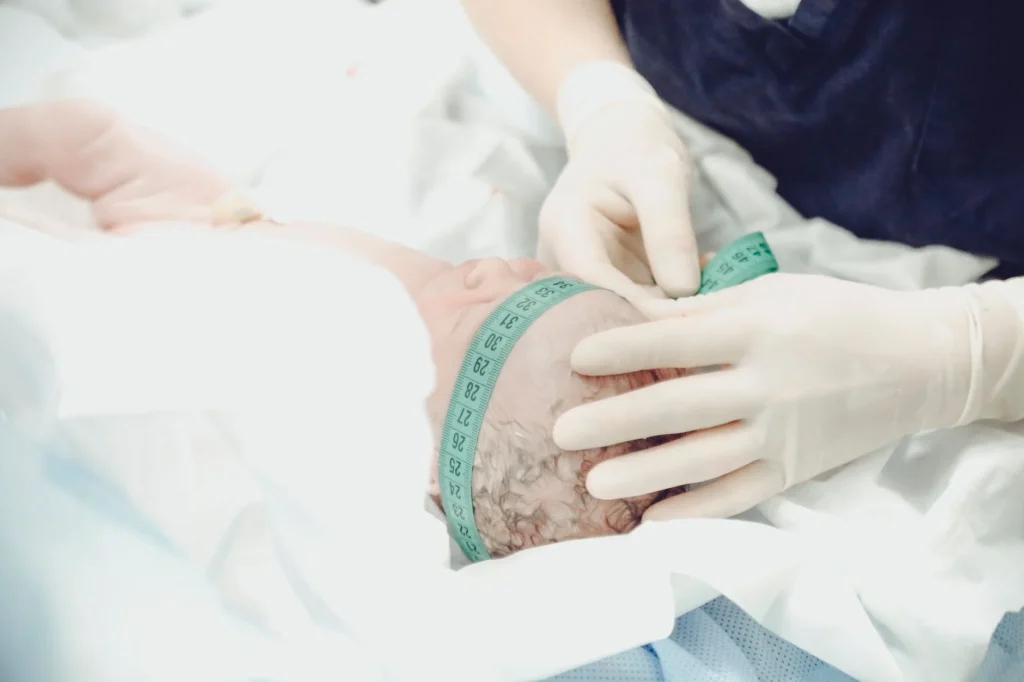
- Gather Your Tools: You’ll need a piece of paper, a pen or pencil, and a ruler or tape measure.
- Get Them Ready: Have your baby stand (or sit with their foot flat on the floor if they’re not walking yet) on the piece of paper. Make sure their toes are relaxed and not curled.
- Trace Their Foot: Gently hold their foot in place. Use the pen to draw an outline around their foot. Be sure to hold the pen straight up and down, close to their foot, to get an accurate shape.
- Mark the Length: Mark the longest part of their heel and the tip of their longest toe (which isn’t always the big toe!).
- Measure It Up: Use your ruler to measure the distance between the two marks. This is your baby’s foot length.
- Measure Both Feet: Always measure both feet, as one might be slightly larger than the other. Go with the measurement of the larger foot.
- Add Wiggle Room: Add about 1 to 1.5 cm to your measurement. This extra space allows for growth and gives their toes room to move and splay naturally.
Baby Shoe Size Chart: Foot Length to Shoe Size Guide
Remember, this chart is a general guide. Shoe sizes can vary between brands, so always check the specific brand’s sizing chart if possible, and ideally, try shoes on before purchasing.
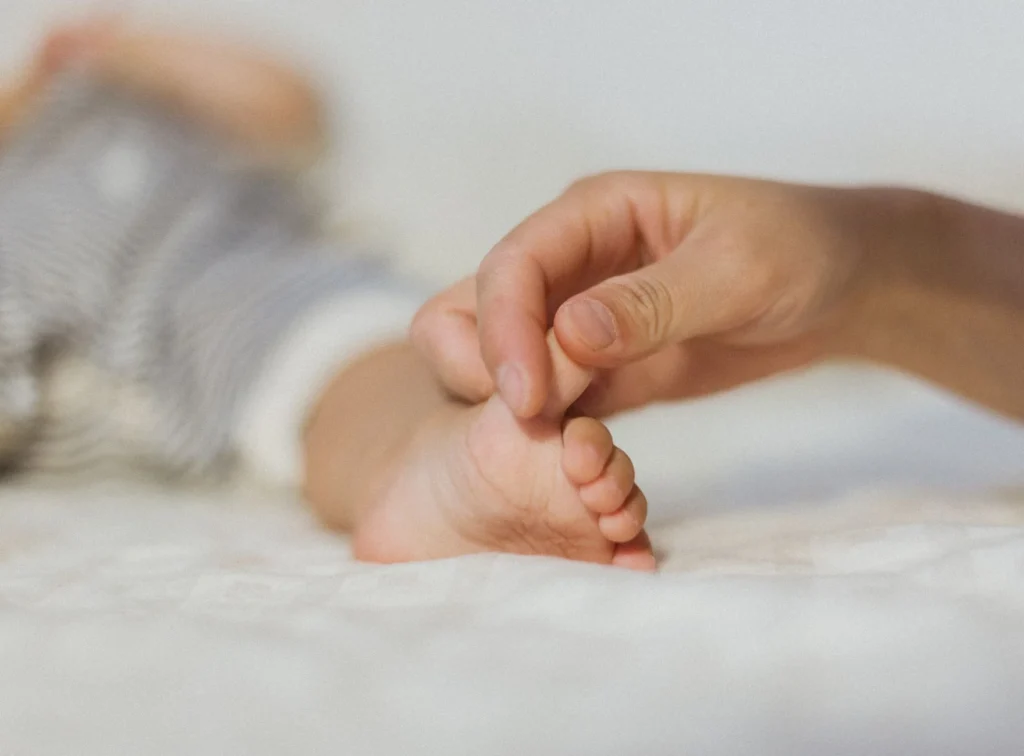
Common Mistakes When Buying Baby Shoes
Even with good intentions, it’s easy to make some common slip-ups. Keep these in mind to ensure you get the best fit every time:
- Not Re-measuring Often: Baby feet grow rapidly. What fit last month might be too small today.
- Buying Based on Age: Age is a very rough guide. Actual foot length is much more accurate.
- Ignoring Width: Length isn’t everything! Some babies have wider or narrower feet. Look for brands that offer different width options if needed.
- Assuming All Brands Are the Same: A size 4 in one brand might be slightly different from a size 4 in another. Always refer to specific brand charts.
- Buying Too Big (to “Grow Into”): While a little wiggle room is good, shoes that are too big can cause tripping and affect natural foot movement.
- Hand-Me-Downs: While great for clothes, hand-me-down shoes might have molded to a previous wearer’s foot, which isn’t ideal for your child’s unique foot shape.
- Not Checking the Fit While Standing: Always check the fit with your child standing and bearing weight on their feet.

Images sourced from Pexels.