

Choosing a baby stroller feels like a monumental decision for many parents. It’s more than just a way to get around; it’s your child’s first set of wheels, your mobile command center, and a key tool for daily adventures. With countless options available, finding the perfect match for your family’s lifestyle and needs can feel overwhelming. Let’s break down the essentials so you can confidently pick the best stroller for your little one.
Who It Helps: Finding Your Perfect Match
Different families have different needs, and strollers are designed with various lifestyles in mind. Are you an urban dweller who relies on public transport and tight spaces? A lightweight, compact stroller might be your best friend. Do you love hitting the trails or jogging through the park? A robust jogging stroller offers the stability and suspension you need. Perhaps you’re a parent of twins, or expecting another little one soon? A double stroller will be essential. Consider your daily routine, how much space you have, and the terrains you’ll typically navigate. Your ideal stroller should seamlessly integrate into your life, making outings easier, not harder.

Key Features to Consider: Your Selection Criteria
Type of Stroller
- Full-Size Strollers: Often robust, feature-rich, and suitable from birth. They tend to have excellent suspension, ample storage, and can be converted into travel systems.
- Lightweight/Umbrella Strollers: Designed for portability and easy folding, perfect for travel or quick errands. Usually best for older babies and toddlers who can sit up unassisted.
- Jogging Strollers: Built for active parents, featuring three large, air-filled wheels and superior suspension for smooth rides over varied terrain.
- Travel Systems: A car seat and stroller combo, allowing you to move your sleeping baby from car to stroller without disturbance. Excellent for newborns.
- Double Strollers: Designed for two children, either side-by-side or in tandem.
Comfort and Safety for Baby
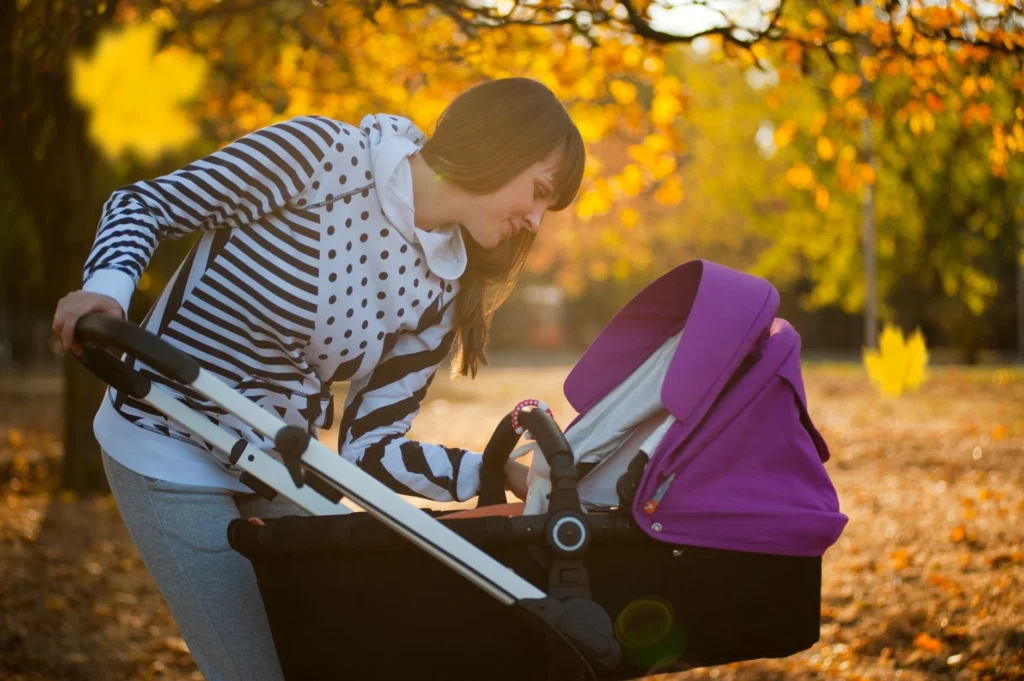
Look for a stroller with multiple recline positions, including a near-flat option for newborns. A well-padded seat and head support are crucial for comfort. The harness system should be a five-point harness, easy to adjust, and secure. Good suspension can absorb bumps, providing a smoother ride for your little one.
Ease of Use for Parents
Consider the folding mechanism – can you do it with one hand? How compact is it when folded? Check the weight of the stroller; you’ll be lifting it in and out of cars. Maneuverability is key; test how easily it turns and handles. An adjustable handlebar is a bonus, ensuring comfortable pushing for parents of different heights. Don’t forget ample storage for diaper bags, snacks, and personal items.
Wheels and Suspension
The type and size of wheels impact the ride quality. Larger, air-filled wheels with good suspension are ideal for rougher terrains and offer a smoother ride. Smaller, solid wheels are great for smooth surfaces and city living. Swiveling front wheels offer maneuverability but should have a locking option for stability on uneven ground.
Storage and Accessories
A spacious under-seat basket is invaluable. Look for parent trays, cup holders, and perhaps a child tray. Sun canopies should be large and offer good UV protection. Some strollers come with rain covers, footmuffs, or adapters for car seats.
Essential Safety Checklist for Strollers
Before making a purchase, always prioritize safety. Here’s what to look for:
- Five-Point Harness: Ensures your child is securely fastened and prevents them from climbing out or falling.
- Brakes: Should be easy to engage and disengage, and hold the stroller firmly in place. Test them on a slight incline.
- Stability: The stroller should feel sturdy and not tip easily when a child is in it, or when weight is placed on the handlebar (e.g., a diaper bag).
- Certification: Look for safety certifications or compliance with relevant safety standards in your region.
- No Pinch Points: Check for any areas where small fingers could get pinched when folding or adjusting.
- Strong Frame: A well-built frame is essential for durability and safety.
Care and Cleaning Tips for Your Stroller
Regular maintenance will extend the life of your stroller and keep it hygienic for your child. Wipe down the frame regularly with a damp cloth. Fabric seats and canopies often have removable, machine-washable covers – check the manufacturer’s instructions. For non-removable fabrics, spot clean with mild soap and water. Keep wheels free of debris and lubricate moving parts periodically (like axles and folding mechanisms) to ensure smooth operation. Store your stroller in a dry place to prevent rust and mildew.
Frequently Asked Questions
When can a baby use a regular stroller?
Most regular strollers are suitable for babies who can sit up unassisted, typically around 6 months of age. For newborns, you’ll need a stroller that fully reclines or can accommodate an infant car seat or bassinet attachment.
How long do strollers usually last?
The lifespan of a stroller varies greatly depending on its quality, how often it’s used, and how well it’s maintained. A well-built, higher-end stroller can last through multiple children, often 5-10 years or more, while a very basic umbrella stroller might only last a couple of years with frequent use.
Is a travel system worth it?
Many parents find travel systems incredibly convenient, especially during the newborn phase. Being able to move your baby from car to stroller without waking them is a huge advantage. However, remember that babies outgrow infant car seats quickly, so you’ll eventually transition to a convertible car seat and may use the stroller on its own for much longer.
Images sourced from Pexels.