
Starting solids is a big milestone for both baby and parents! It’s a time of discovery, new tastes, and important nutritional steps. As your little one reaches around 6 months of age, they’ll likely show signs of readiness for their first foods, like good head control, sitting upright with support, and showing interest in what you’re eating. We’ve put together some simple, nutritious puree ideas to help make this journey enjoyable and straightforward.
Please note: The information provided here is for general educational purposes only and is not intended as medical advice. Always consult with your pediatrician or a healthcare professional regarding your baby’s specific dietary needs and before introducing new foods, especially if there are any health concerns or allergies.

General Safety Notes for First Foods
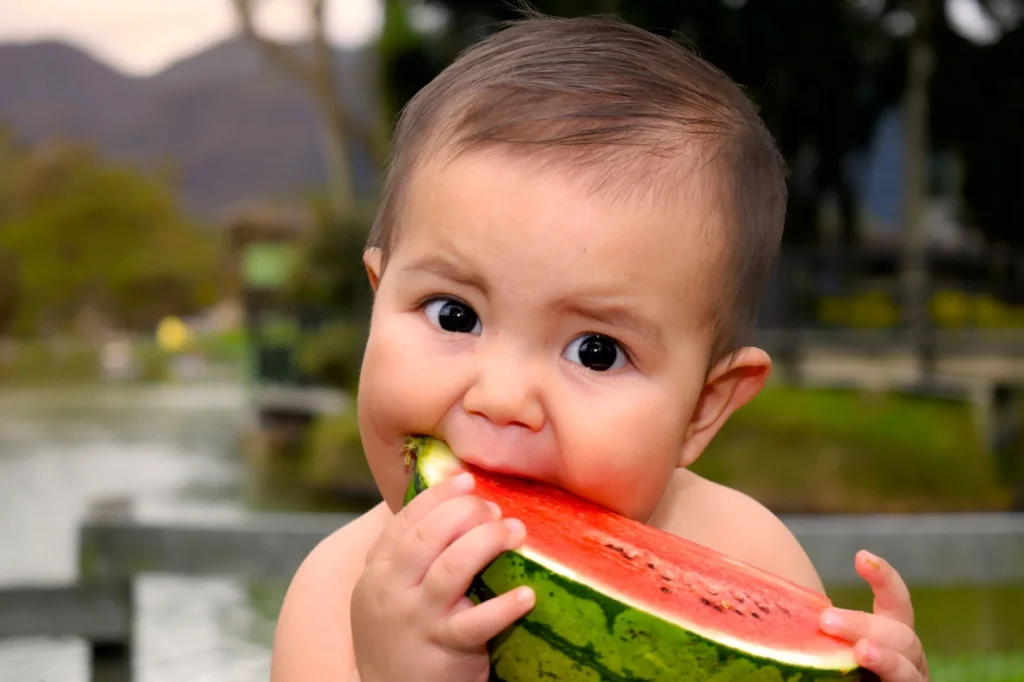
Before diving into recipes, keep these important safety guidelines in mind:

- No Honey Under One: Never give honey to an infant under 12 months old due to the risk of infant botulism.
- Skip Salt and Sugar: Babies don’t need added salt or sugar in their food. Their kidneys aren’t fully developed to process excess salt, and sugar can lead to unhealthy eating habits later on.
- Allergy Awareness: Introduce new single-ingredient foods one at a time, waiting 3-5 days between each new food. This helps you identify any potential allergic reactions. Watch for symptoms like hives, swelling, vomiting, diarrhea, or difficulty breathing. If you suspect an allergic reaction, stop the food and contact your pediatrician immediately.
- Choking Hazards: Ensure purees are smooth and free of lumps. Always supervise your baby while they are eating.
Our Top 10 Easy Purees
1. Sweet Potato Puree
Who it suits:
A classic first food, sweet potatoes are naturally sweet, full of beta-carotene, and easily digestible. Perfect for easing into solids.
Ingredients:
- 1 medium sweet potato
- Breast milk, formula, or water (as needed for desired consistency)
Steps:
- Wash, peel, and chop the sweet potato into 1-inch cubes.
- Steam the sweet potato cubes until very tender (about 10-15 minutes). You can also boil them until soft.
- Transfer the cooked sweet potato to a blender or food processor. Add a small amount of liquid (breast milk, formula, or water).
- Blend until smooth, adding more liquid a teaspoon at a time until you reach the desired consistency for your baby.
Storage & Serving:
Serve warm or at room temperature. Store leftovers in an airtight container in the refrigerator for up to 3 days or freeze in ice cube trays for up to 3 months. Thaw frozen cubes in the refrigerator overnight or use a gentle warming method.
2. Pea Puree
Who it suits:
Green peas offer vitamins A and C, iron, and protein. They have a mild flavor that babies often enjoy.
Ingredients:
- 1 cup frozen peas (or fresh, shelled)
- Breast milk, formula, or water
Steps:
- Steam or boil the peas until tender (about 3-5 minutes for frozen peas).
- Drain the peas and transfer them to a blender or food processor.
- Add a splash of liquid. Blend until smooth. You may need to press the puree through a fine-mesh sieve to remove any remaining pea skins for a super smooth consistency.
Storage & Serving:
Store as with sweet potato puree. Peas can be a bit thicker, so adjust liquid as needed when serving.

3. Carrot Puree
Who it suits:
Another popular starter, carrots are rich in beta-carotene (Vitamin A) and have a pleasing natural sweetness.
Ingredients:
- 2-3 medium carrots
- Breast milk, formula, or water
Steps:
- Wash, peel, and chop the carrots into small pieces.
- Steam or boil the carrots until very tender (about 15-20 minutes).
- Blend with a small amount of liquid until smooth.
Storage & Serving:
Store and serve similarly to sweet potato puree.
4. Butternut Squash Puree
Who it suits:
Creamy, sweet, and packed with vitamins A and C, butternut squash is an excellent first food. Its smooth texture is ideal for beginners.
Ingredients:
- 1 small butternut squash
- Breast milk, formula, or water
Steps:
- Wash the squash. You can peel it first or bake/steam it with the skin on and scoop out the flesh later. Chop into cubes.
- Steam or roast the squash until very tender (roasting can enhance sweetness).
- Scoop out the flesh (if skin was left on) and blend with liquid until smooth.
Storage & Serving:
Store and serve as above. Butternut squash freezes very well.
5. Apple Puree
Who it suits:
A gentle, naturally sweet fruit puree that babies often readily accept. Apples provide vitamins and fiber.
Ingredients:
- 1-2 medium apples (e.g., Gala, Fuji, or other sweet varieties)
- Water (or breast milk/formula)
Steps:
- Wash, peel, core, and chop the apples into small pieces.
- Steam the apple pieces until very soft (about 8-10 minutes).
- Blend with a small amount of water (or other liquid) until smooth.
Storage & Serving:
Serve warm or cool. Store in the refrigerator for up to 3 days or freeze.
6. Pear Puree
Who it suits:
Pears are often recommended as a first fruit due to their mild flavor and smooth texture, which can be easy on sensitive tummies.
Ingredients:
- 1-2 ripe pears (e.g., Bartlett, Comice)
- Water (or breast milk/formula)
Steps:
- Wash, peel, core, and chop the pears.
- Steam the pear pieces until very soft (about 5-8 minutes). Very ripe pears may not even need steaming.
- Blend with a small amount of liquid until smooth.
Storage & Serving:
Store and serve as with apple puree.
7. Banana Puree
Who it suits:
Bananas are incredibly easy to prepare as they don’t require cooking. They are a good source of potassium and provide a creamy texture.
Ingredients:
- 1 ripe banana
- Breast milk, formula, or water (optional, for thinning)
Steps:
- Peel the banana.
- Mash thoroughly with a fork until smooth, or use a blender for a very fine puree. Add a tiny bit of liquid if a thinner consistency is desired.
Storage & Serving:
Best served fresh due to browning, but can be stored in an airtight container in the refrigerator for a day. Freezing bananas can alter their texture upon thawing, but they are still edible.
8. Avocado Puree
Who it suits:
A fantastic first fat for babies, avocados are rich in healthy fats, fiber, and vitamins. Like bananas, they don’t require cooking.
Ingredients:
- 1/2 ripe avocado
- Breast milk, formula, or water (optional)
Steps:
- Scoop out the flesh of the avocado.
- Mash thoroughly with a fork until smooth, or blend. Add a bit of liquid if a thinner consistency is preferred. A squeeze of lemon juice (if baby has tried it before and tolerated well, or in tiny amounts) can help prevent browning if storing for a short time.
Storage & Serving:
Best served fresh. Store leftovers in an airtight container in the refrigerator for a few hours, ideally with a pit in the container to slow browning.
9. Green Bean Puree
Who it suits:
Green beans offer a different flavor profile and are a good source of vitamins K, C, and A, as well as fiber.
Ingredients:
- 1 cup fresh or frozen green beans
- Breast milk, formula, or water
Steps:
- Wash and trim fresh green beans.
- Steam or boil the green beans until very tender (about 10-15 minutes).
- Drain and blend with liquid until smooth. You might need to add a bit more liquid to achieve a desired consistency.
Storage & Serving:
Store and serve as with other vegetable purees.
10. Spinach Puree
Who it suits:
Spinach is packed with iron and vitamins, making it a powerful addition to your baby’s diet. It’s often best introduced after baby has tried a few other greens.
Ingredients:
- 1 cup fresh spinach leaves
- Water (or breast milk/formula)
Steps:
- Thoroughly wash the spinach.
- Steam or gently sauté the spinach until wilted (just a minute or two).
- Blend with a small amount of liquid until very smooth.
Storage & Serving:
Serve fresh. Store leftovers in the refrigerator for a day, or freeze in small portions.
When to Talk to a Professional
While introducing solids is an exciting time, it’s also important to be aware of potential concerns. Contact your pediatrician if your baby consistently refuses food, shows signs of discomfort after eating (like excessive gas or severe fussiness), develops a rash, diarrhea, or vomiting, or struggles significantly with feeding. They can offer personalized advice and support for your baby’s specific needs.
Images sourced from Pexels.