
What Changes Now?
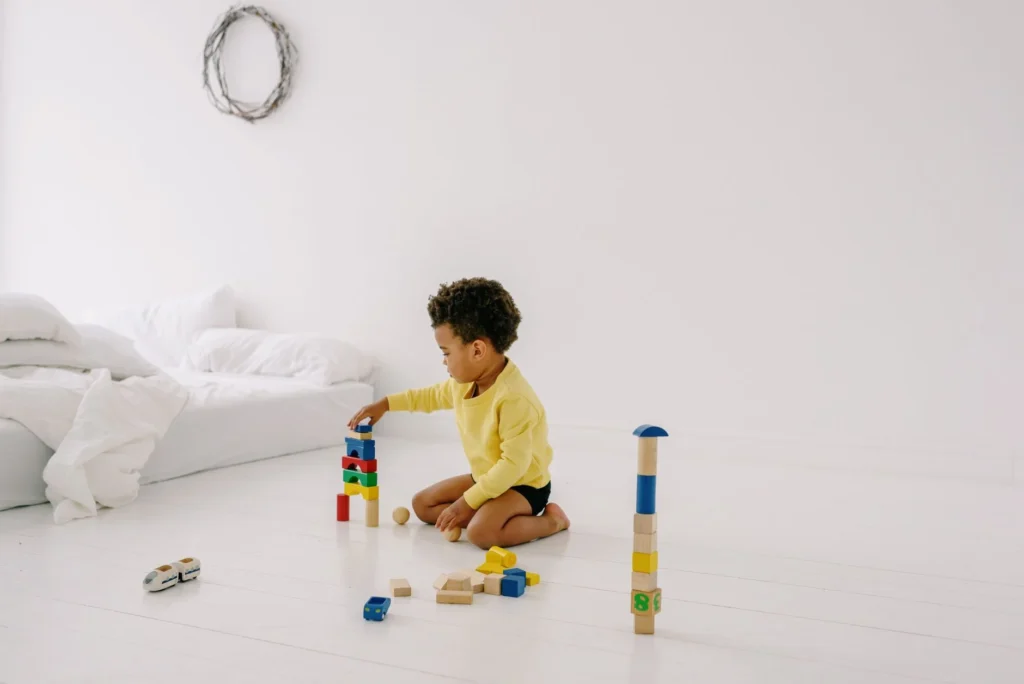
Welcome to the lively world of your 18-month-old! This age brings a whirlwind of new discoveries, bigger emotions, and rapid learning. Your toddler is moving with more confidence, babbling with intention, and starting to assert their independence, often with delightful determination (and sometimes, a few wobbles!). It’s a truly fascinating period of growth.
Disclaimer: This information is for general guidance only and is not a substitute for professional medical advice. Always consult with a healthcare professional for any health concerns or before making any decisions related to your child’s health and well-being.

Key Developmental Milestones
At this age, many toddlers are busy mastering a range of exciting new skills:

- Physical Power: Most are walking well and might even be trying to run, climb onto low furniture, or kick a ball. Their fine motor skills are also improving; they might stack a few blocks or use a spoon (with varying success!).
- Thinking & Understanding: They’re getting better at following simple one-step commands (“Give me the ball”) and might point to familiar objects or body parts when asked. Simple problem-solving, like figuring out how a toy works, becomes more apparent.
- Language Leaps: Their vocabulary is often expanding rapidly, typically speaking several single words and perhaps even putting two words together (“more milk,” “mama up”). They understand far more than they can express.
- Social & Emotional Growth: Imitation is huge now – they love to mimic actions and words. You’ll also see more independence and a budding sense of self. Expect strong feelings, including frustration, which can sometimes lead to tantrums as they navigate their emotions and desires.
Every child develops at their own pace, so don’t compare too much. However, if you notice significant concerns, such as not walking, not using any words, or a sudden loss of skills, it’s always a good idea to chat with your child’s healthcare provider. They can offer reassurance or suggest next steps.
Sleep
What to Expect with Sleep
Many 18-month-olds typically need around 11-14 hours of sleep in a 24-hour period, which usually includes one afternoon nap lasting 1-3 hours. Nighttime sleep can be anywhere from 10-12 hours. Some toddlers might start resisting naps or bedtime, exploring their newfound independence. Night wakings can still occur, often due to developmental leaps, teething, or simply testing boundaries.
Tips for Better Sleep
A consistent, calming bedtime routine remains your best friend. This might include a warm bath, a quiet story, and cuddles in their room. Ensure their sleep environment is dark, quiet, and comfortable. Respond to night wakings calmly and consistently to help them learn to settle back down independently. Patience is key during these phases!
Feeding
Toddlers are often ready to eat a wide variety of family foods, focusing on balanced nutrition. They love to feed themselves, even if it’s messy! Offer three meals and two small snacks each day, providing a mix of fruits, vegetables, whole grains, and protein. Don’t be surprised by picky eating phases; it’s very common at this age.
Mealtime Pointers
Continue offering healthy choices, even if they initially refuse. It can take many exposures for a toddler to accept a new food. Involve them in meal prep if safe to do so, like washing vegetables or stirring. Make mealtime a relaxed, pleasant experience without pressure to eat a certain amount. Always supervise them during meals to prevent choking.
Safety Note: Remember, honey should not be given to children under one year. It’s best to avoid adding extra salt or sugar to your toddler’s food. When introducing new foods, do so one at a time to easily spot any potential allergies.
Play & Development
Engaging Activities for Growth
Play is how toddlers learn about their world! At this age, activities that encourage exploration and imagination are wonderful.
- Pretend Play: Give them toy phones, dolls, or dress-up clothes. They’ll love imitating you or creating simple scenarios.
- Building Blocks & Puzzles: Stacking blocks, shape sorters, and simple chunky puzzles help develop fine motor skills and problem-solving abilities.
- Reading Books: Continue reading together every day. Point to pictures, name objects, and let them turn the pages.
- Outdoor Adventures: Running, climbing on playground structures, or simply exploring a park helps with gross motor development and energy release.
Encouraging Learning
Engage your toddler in conversations, sing songs together, and point out things in their environment. Simple tasks, like helping put toys away, can also foster a sense of responsibility and capability. Limit screen time; interactive play with people and objects is far more beneficial for development.
Practical Tips
Everyday Living with a Toddler
- Setting Boundaries: Clear, consistent boundaries are crucial for safety and helping your toddler understand expectations. Use simple words and follow through calmly.
- Managing Tantrums: These are a normal part of toddler development. Acknowledge their feelings, offer comfort, and divert attention if possible. Avoid giving in to demands driven by tantrums.
- Childproofing Check: Regularly review your home for hazards. Toddlers are incredibly resourceful climbers and explorers! Secure furniture, cover outlets, and keep harmful items out of reach.
- Potty Learning: Some toddlers show early signs of readiness around this age, but many aren’t ready until closer to two or three. Look for cues like showing interest in the toilet, staying dry for longer, and being able to communicate they need to go.

Frequently Asked Questions
Common Questions Parents Ask
Q: Is it normal for my toddler to have so many tantrums?
A: Yes, absolutely! Tantrums are a very common part of toddlerhood. Your 18-month-old is developing strong opinions and desires but doesn’t yet have the language or emotional regulation skills to express their frustration effectively. Stay calm, offer comfort, and try to understand the underlying need. Consistency in how you respond is key.
Q: What if my child isn’t talking much yet?
A: There’s a wide range of normal when it comes to language development. While some 18-month-olds are saying many words, others might be quieter. Focus on their understanding of words, their use of gestures, and whether they’re babbling and trying to communicate. If you have concerns about their speech or language development, discuss it with your healthcare provider. Early intervention can make a big difference if needed.
Images sourced from Pexels.