
Friendships at This Age
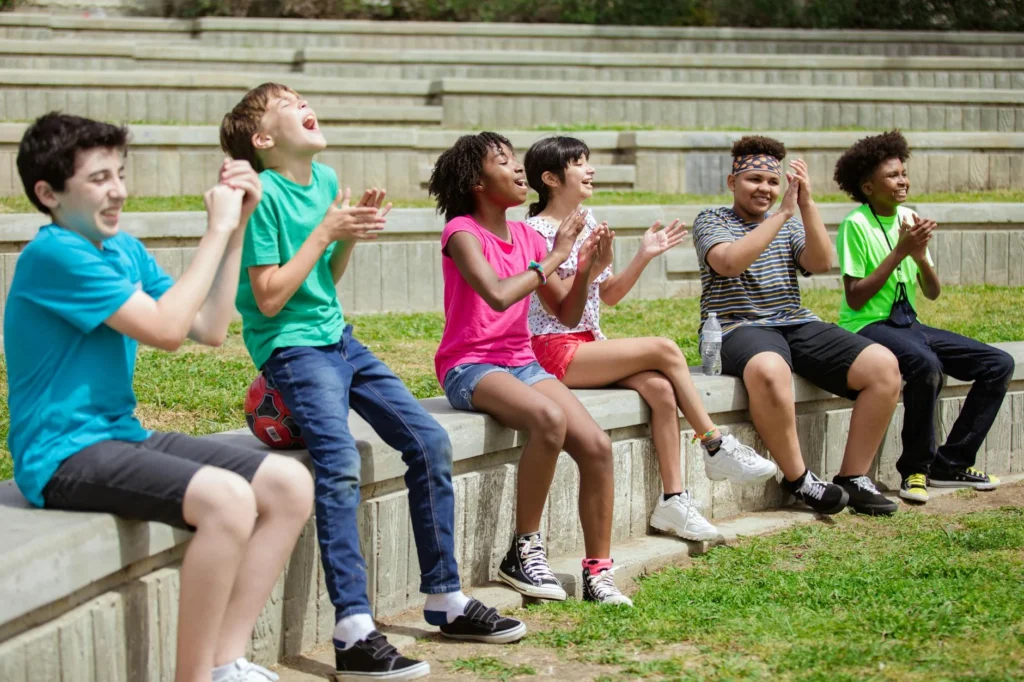
As children reach age nine, their social world often becomes more complex and nuanced. Friendships at this stage are evolving beyond simple playmates; they often involve deeper connections, shared interests, and a developing understanding of loyalty and trust. Kids start to value being part of a group, and the dynamics within these groups can shift frequently. It’s a time when they’re learning to navigate social hierarchies, deal with differing opinions, and sometimes, experience the pangs of a changing friendship.
You might notice your child becoming more selective about their friends, or perhaps spending more time with a smaller, closer group. They’re also becoming more independent, and while they still need your guidance, they’re often keen to solve their own social dilemmas. This period can bring both wonderful moments of camaraderie and challenging experiences as they learn the ropes of peer relationships.

How You Can Support Your Child
Supporting your child through these friendship changes doesn’t mean solving every problem for them, but rather equipping them with the tools they need to navigate their social landscape confidently.

Be an Active Listener
When your child shares stories about their friends, whether joyful or challenging, listen without judgment. Ask open-ended questions like, “How did that make you feel?” or “What do you think you could do next?” This shows them you’re a safe space to confide in and helps them process their emotions.
Encourage Empathy
Talk about different perspectives. If a friend was unkind, discuss why that might have happened, without excusing the behavior. “How do you think your friend was feeling?” helps them consider others’ emotions, a crucial skill for healthy relationships.
Teach Problem-Solving Skills
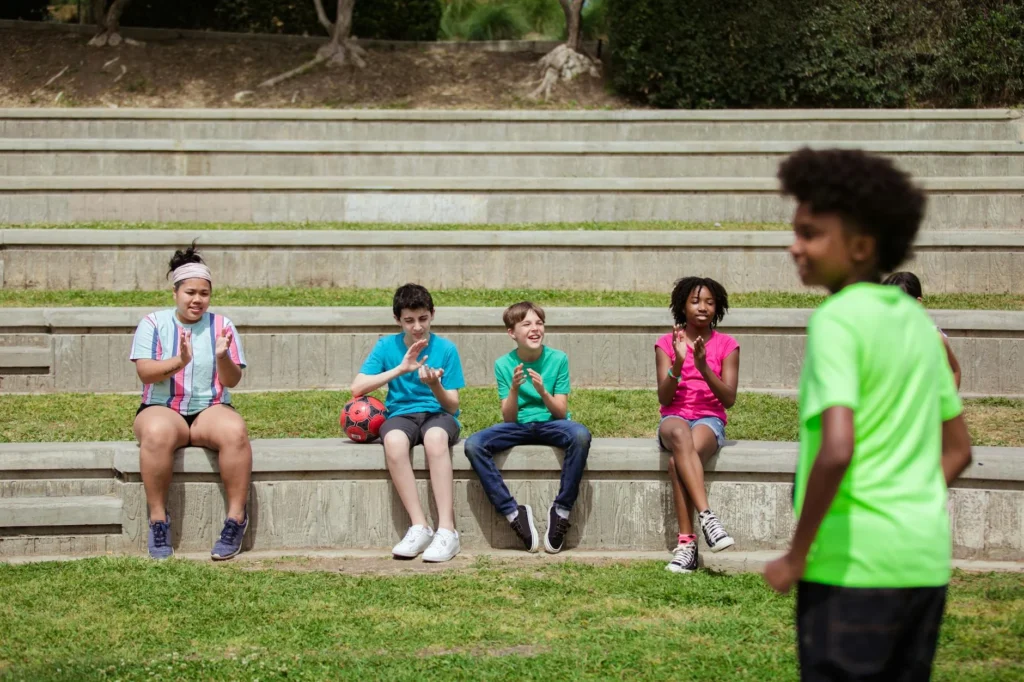
Instead of offering immediate solutions, guide them to think through options. If they’re upset about a conflict, brainstorm various ways to approach the situation. “What are some ways you could talk to your friend about this?” or “What would be fair for everyone involved?” This empowers them to find their own resolutions.
Foster Independence
Allowing your child some space to manage their own friendships, within safe boundaries, helps them build resilience. Let them try to work out minor disagreements themselves before stepping in. This builds confidence in their social abilities.
Model Healthy Relationships
Children learn by watching. Demonstrate healthy communication, conflict resolution, and kindness in your own friendships and family interactions. They absorb more than you might realize from your examples.
Create Opportunities for Socialization
Encourage diverse experiences, like joining clubs, sports teams, or community groups. These provide different environments to practice social skills and form new connections, broadening their friend circles beyond just school.
When Friendship Challenges Arise
It’s normal for friendships to have ups and downs. Your child might experience being left out, misunderstandings, or even fallouts. Remind them that it’s okay for friendships to change and that true friends are those who make them feel good about themselves. Help them understand that not everyone will be their friend, and that’s perfectly fine.
When to Seek Further Support
Most friendship difficulties at this age are a normal part of growing up. However, there are times when it’s wise to seek additional guidance. If your child shows persistent signs of distress such as prolonged sadness, significant anxiety about school or social events, withdrawal from activities they once enjoyed, changes in eating or sleeping patterns, or an inability to cope with social situations, it might be helpful to reach out for professional advice.
Consider talking to your child’s pediatrician, a school counselor, or a child psychologist. They can offer strategies and support tailored to your child’s individual needs. This information is for general guidance only and is not a substitute for professional medical or psychological advice.
Note: Totals vary by provider, region, and part quality.
Images sourced from Pexels.