
Your baby at 38 weeks is likely becoming more aware of their surroundings, perhaps more active, and constantly taking in the world. This can be an exciting time, but also one where a little extra calm can go a long way. Baby massage offers a beautiful way to connect with your little one, provide comfort, and soothe them.
Why Baby Massage at 38 Weeks?
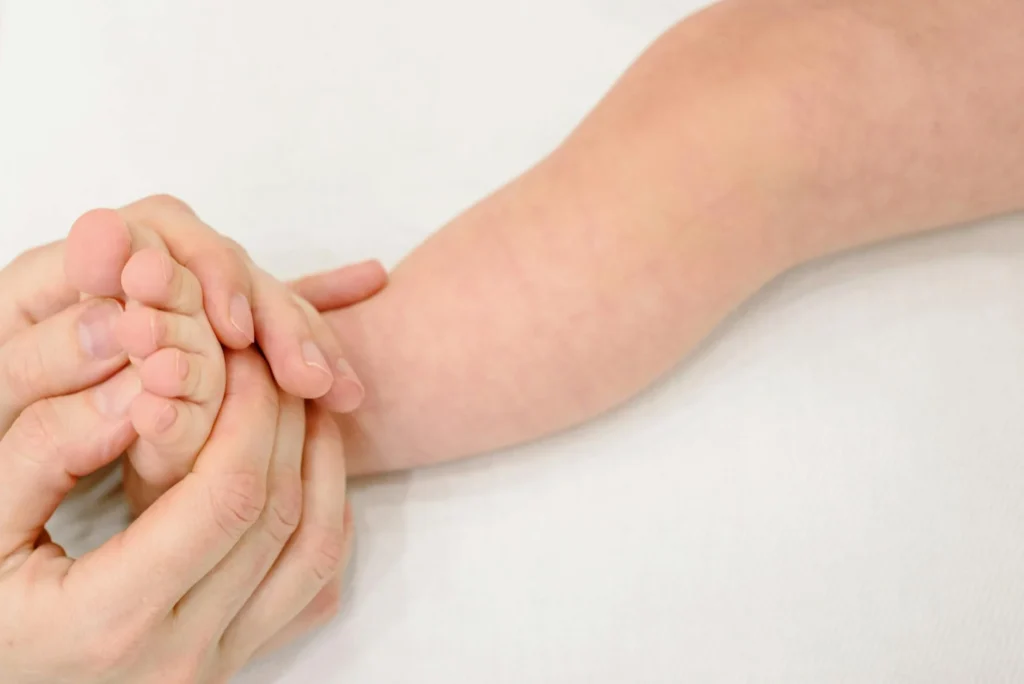
As your baby grows, their muscles are strengthening, and their senses are sharpening. Gentle massage at this stage isn’t just about relaxation; it’s a multi-faceted approach to well-being. It can help enhance the bond between you, improve circulation, stimulate digestion, and even contribute to better sleep. For a baby who might be experiencing minor fussiness or just needs a moment of quiet connection, massage can be incredibly beneficial.

Getting Started: Prepping for a Soothing Session
Before you begin, choose a calm time when your baby is alert but not overly hungry or tired. After a bath can be ideal, or perhaps before a nap. Ensure the room is warm and the lighting is soft. Lay your baby on a soft towel or blanket on a comfortable, safe surface. Have a small amount of baby-safe oil or lotion ready. Always check your baby’s cues; if they seem uncomfortable or fussy, it’s best to stop and try another time.

A Simple Calming Massage Routine
Remember, the key is gentle, loving touch. Follow your baby’s lead, and never force any movement. Always apply oil to your hands first, warm it by rubbing your palms together, then apply to your baby’s skin.
Legs & Feet
- Gently hold one of your baby’s legs. Using your hands, make soft stroking motions from the hip down to the ankle, as if you’re gently ‘milking’ the leg.
- Repeat several times.
- Then, gently massage the soles of their feet with your thumbs, making small circles.
- Finish by lightly squeezing each little toe.
Tummy
- Place your warm hands flat on your baby’s tummy.
- Using the flats of your fingers, gently make slow, clockwise circular motions around their belly button. This can often help with digestion and gas.
- You can also place both hands flat on their chest, then stroke downwards and outwards towards their hips, as if smoothing a book.
Chest & Arms
- Place your hands on your baby’s chest, just below their collarbones.
- Gently stroke outwards towards their shoulders, then down their arms to their hands.
- You can also make a criss-cross motion, stroking from one shoulder diagonally down to the opposite hip, then repeating on the other side.
- Gently roll and squeeze their arms from shoulder to wrist.
Back
- If your baby is comfortable, gently roll them onto their tummy.
- Using the flats of your hands, make long, smooth strokes from their neck down to their bottom.
- You can also make small circular motions with your fingertips on either side of their spine, avoiding direct pressure on the spine itself.
Tips for a Successful Massage
- Watch for Cues: Your baby will let you know if they’re enjoying it or if they’ve had enough. Look for signs like looking away, fussing, or tensing up.
- Use Gentle Pressure: Always be soft and delicate. Your touch should be firm enough to not tickle, but never painful.
- Communicate: Talk or sing softly to your baby during the massage. This enhances the bonding experience.
- Make it a Routine: Consistency can help your baby anticipate and enjoy the massage, associating it with relaxation.
Important Safety Notes
This information is for general guidance only and is not a substitute for professional medical advice. Always consult with a healthcare professional for any specific health concerns related to your baby.
- When to Avoid: Do not massage your baby if they are unwell, have a fever, skin rash, open wounds, or any skin irritation. Wait at least 30-45 minutes after a feed to avoid discomfort.
- Oil Choice: Use a fragrance-free, cold-pressed vegetable oil suitable for babies, such as grapeseed, almond (ensure no nut allergies in the family), or organic sunflower oil. Perform a small patch test on a tiny area of skin first to check for any reaction.
- Red Flags: If your baby develops any skin irritation, seems unusually distressed during or after massage, or if you have any concerns about their health or development, please contact your pediatrician or another healthcare professional.

Frequently Asked Questions
How often can I massage my baby?
You can massage your baby daily, or a few times a week, depending on your schedule and your baby’s enjoyment. Even a short 5-10 minute session can be beneficial.
What if my baby cries or fusses during the massage?
If your baby starts to cry or shows signs of discomfort, stop the massage immediately. They might not be in the mood, or they could be too hungry, tired, or overstimulated. Try again another time.
Can massage help with gas or colic?
Gentle clockwise tummy massage can often help to relieve gas and discomfort by encouraging bowel movements. However, for persistent colic or severe gas, always consult with your pediatrician.
Note: Totals vary by provider, region, and part quality.
Images sourced from Pexels.