
Who It Suits
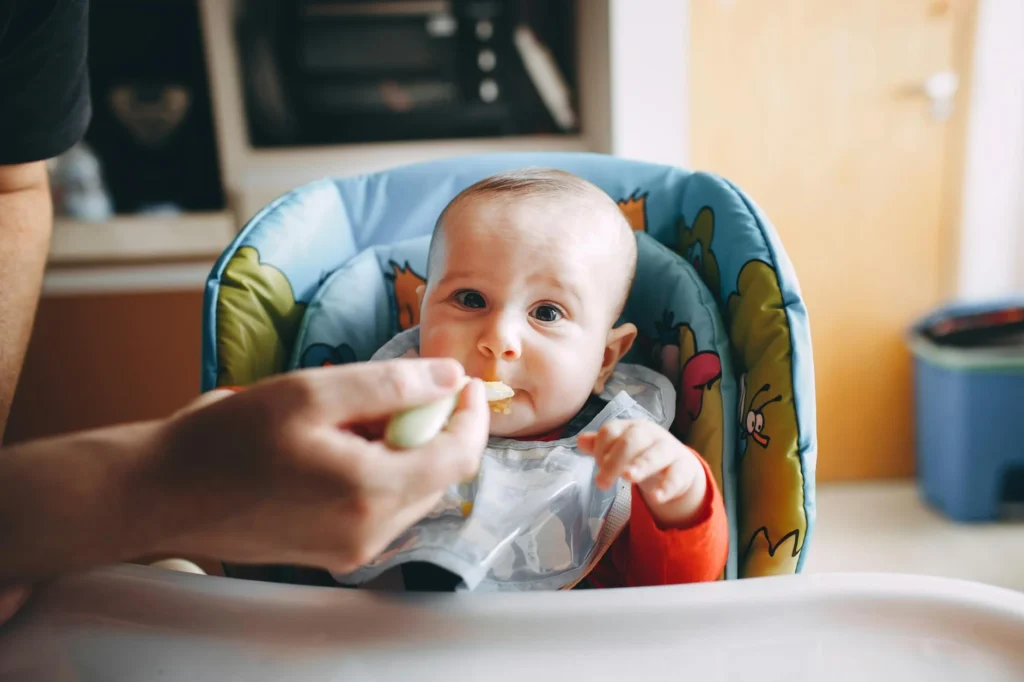
This simple and wholesome puree is a fantastic option for babies who are ready to explore solid foods, typically from around 6 months of age. It’s especially good once they’ve been introduced to both plain yogurt and avocado separately without any issues. The combination offers healthy fats from avocado and beneficial probiotics from yogurt, making it a gentle yet nutrient-rich meal or snack for growing tummies.
Ingredients
- 1 ripe avocado (choose one that yields slightly to gentle pressure)
- 1/2 cup plain, whole milk yogurt (ensure it has no added sugar or artificial sweeteners)
- Optional: 1-2 tablespoons breast milk, formula, or water to achieve desired consistency
Steps
- Carefully wash the avocado. Cut it in half lengthwise around the pit. Twist the halves apart, then remove the pit.
- Scoop out the soft, green flesh of the avocado into a small bowl or a blender.
- Add the plain whole milk yogurt to the avocado.
- Using an immersion blender, food processor, or even a fork for a chunkier texture (if appropriate for your baby’s stage), blend or mash the ingredients until smooth and creamy.
- If the puree seems too thick for your baby, gradually stir in small amounts of breast milk, formula, or water until you reach the perfect, spoonable consistency.
- Give it a taste! It should be mild and pleasant.
- Serve immediately to your happy eater.
Storage & Serving Tips
- Serve fresh whenever possible. Leftovers should be stored properly.
- Transfer any remaining puree into an airtight container and refrigerate promptly. It’s best consumed within 1-2 days.
- For longer storage, this puree freezes well! Spoon the mixture into ice cube trays. Once frozen solid, pop out the cubes and transfer them to a freezer-safe bag. They can be stored in the freezer for up to one month.
- Thaw frozen cubes in the refrigerator overnight or by using a microwave on a low setting (stir well and check temperature thoroughly).
- Always check the temperature of the puree before serving to your baby, ensuring it’s not too hot or too cold.
- Discard any puree that has been sitting out at room temperature for more than an hour or any portion left in your baby’s bowl after feeding to prevent bacterial growth.
Important Safety Notes
General Disclaimer
The information provided here is for general informational purposes only and is not intended to be a substitute for professional medical advice, diagnosis, or treatment. Always seek the advice of your pediatrician or other qualified health provider with any questions you may have regarding a medical condition or your baby’s dietary needs.
Allergies
When introducing new foods to your baby, it’s wise to do so one at a time and wait a few days between new foods. This approach helps you identify any potential allergies or sensitivities. Watch for signs of an allergic reaction such as hives, swelling, difficulty breathing, vomiting, or diarrhea. If you observe any concerning symptoms, contact your healthcare professional immediately.
Honey, Salt & Sugar
Remember, honey should never be given to babies under 12 months of age due to the risk of infant botulism. Also, it’s best to avoid adding salt or sugar to your baby’s food. Their developing kidneys cannot process excess sodium efficiently, and introducing added sugars at a young age can influence their palate preferences for unhealthy foods later on.

Note: Totals vary by provider, region, and part quality.
Images sourced from Pexels.