
Congratulations, your little one is 17 weeks old! At this stage, you might be noticing a lot of growth and new discoveries. And, if you’re like many parents, you’re also quite familiar with spit-up. It’s a common, often messy, part of infant life, and understanding what’s typical can bring a lot of reassurance.
It’s important to remember that the information provided here is for general knowledge and informational purposes only, and does not constitute medical advice. Always consult a qualified healthcare professional for any health concerns or before making any decisions related to your child’s health.
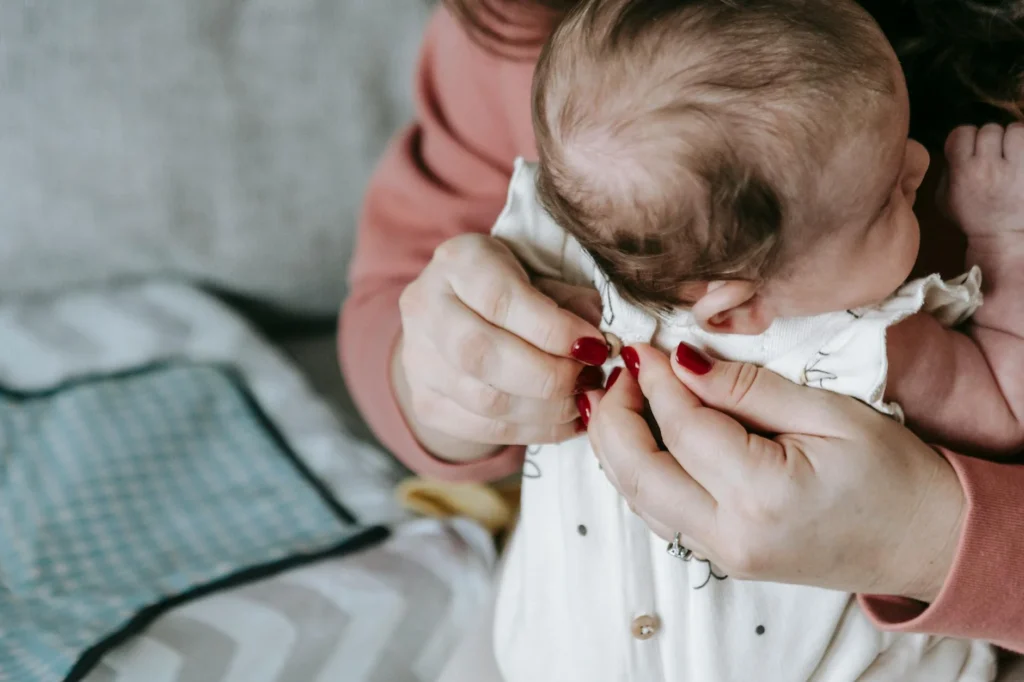
Spit-Up Basics: What to Expect Around 17 Weeks

Many babies, including those around 17 weeks, will still experience spit-up. It’s not usually a cause for alarm if your baby is otherwise happy and thriving. So, why does it happen?

- Immature Digestive System: A baby’s lower esophageal sphincter, the muscle that acts as a valve between the esophagus and stomach, isn’t fully developed yet. This means it can open easily, allowing stomach contents to come back up.
- Liquid Diet: Babies consume a lot of liquid. Liquid is much easier to ‘spill’ than solid food.
- Overfeeding: Sometimes, babies simply drink more than their tiny stomachs can comfortably hold.
- Air Swallowing: Gas can build up in the stomach, pushing contents back up.
- Positioning: Lying down flat right after a feeding can make spit-up more likely.
Normal spit-up often looks like small amounts of milk or formula, sometimes curdled, that comes up effortlessly. Your baby might not even seem to notice it, continuing to smile or play afterward. This is often referred to as ‘pukey but happy’ and is very common.
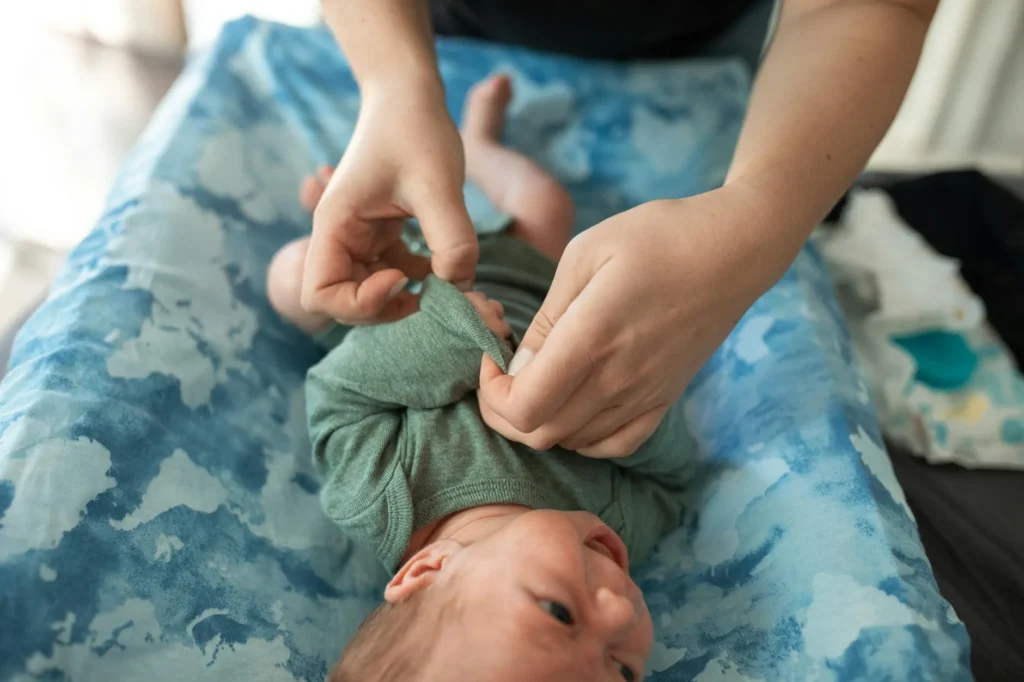
When to Pay Closer Attention (Red Flags)
While occasional spit-up is normal, there are times when it’s wise to reach out to your pediatrician. Watch for these signs:
- Forceful Vomiting: If the spit-up is projectile, shooting several inches away, rather than a gentle dribble.
- Unusual Color: If the vomit is green (bile), yellow, bloody, or looks like coffee grounds.
- Poor Weight Gain: If your baby isn’t gaining weight well, or is losing weight.
- Signs of Discomfort: Persistent crying, arching the back during or after feeds, extreme fussiness, or refusing to feed.
- Breathing Issues: Choking, gagging, or signs of difficulty breathing after spitting up.
- Frequent, Large Amounts: If every feeding results in a significant amount of spit-up, and your baby seems distressed.
- Decreased Wet Diapers: This could be a sign of dehydration.
If you notice any of these red flags, or if you’re simply concerned, don’t hesitate to contact your healthcare professional. They can help determine if there’s an underlying issue that needs attention.
Gentle Ways to Help Your Little One
While you can’t always prevent spit-up, there are a few simple strategies that might help reduce its frequency or severity:
- Frequent Burping: Burp your baby gently during and after feedings to release trapped air.
- Upright Positioning: Keep your baby upright for 20-30 minutes after feeding. A carrier or simply holding them in an upright position works well.
- Smaller, More Frequent Feeds: If your baby tends to overeat, try offering smaller amounts more often.
- Proper Latch: If breastfeeding, ensure your baby has a good latch to minimize air swallowing. If bottle-feeding, check the nipple flow to ensure it’s not too fast.
- Avoid Pressure on Tummy: Try not to put pressure on your baby’s belly immediately after a feed (e.g., tight diapers, tummy time).
A Note on Reflux
Sometimes, frequent spit-up is linked to gastroesophageal reflux (GER). This is a common condition where stomach contents flow back up into the esophagus. For most babies, it’s ‘happy spitters’ reflux and resolves on its own as they grow. However, if reflux causes pain or affects weight gain, it’s called GERD (Gastroesophageal Reflux Disease) and might require medical guidance. Only a healthcare professional can diagnose reflux and recommend appropriate management.
Remember, spit-up is often just a laundry problem, not a health problem. Most babies outgrow it as their digestive systems mature, usually by their first birthday. In the meantime, keep those burp cloths handy and focus on your happy, growing 17-week-old!
Note: Totals vary by provider, region, and part quality.
Images sourced from Pexels.