
Taking a vacation with your little one can be a wonderful adventure, but it often brings a unique set of challenges, especially when it comes to maintaining those crucial nap routines. A well-rested child generally means a happier child, and happier parents! While sticking to your exact home schedule might feel impossible, a few thoughtful strategies can help preserve some much-needed sleep for everyone.
Please note: This information is for general guidance only and is not a substitute for professional medical advice. Always consult with a healthcare professional for any health concerns or before making changes to your child’s care.

Why Naps Can Be Tricky on Vacation

The unfamiliar environment of a new place is the biggest nap disruptor. Think about it: a different bed, new sounds, varying light levels, and the general excitement of travel can all make it harder for your child to settle down. Their internal clock, which usually loves predictability, gets a bit confused by time zone changes or even just a shifted daily schedule. Plus, parents are often eager to explore and might push nap times or locations, which can lead to overtiredness.

Tiny Habits That Help Maintain Nap Routines
Even away from home, consistency is your best friend. Try to keep a similar nap *window* if not the exact time. If your child usually naps around 1 PM, aim for a nap between 12:30 PM and 2 PM, even if it’s in a stroller or car. Recreating elements of your home pre-nap routine can also work wonders. A quick book, a lullaby, or a familiar phrase can signal that it’s time to wind down. Bringing familiar items like a comfort blanket, a favorite lovey, or even their own sheets can make a big difference in a new crib or bed.
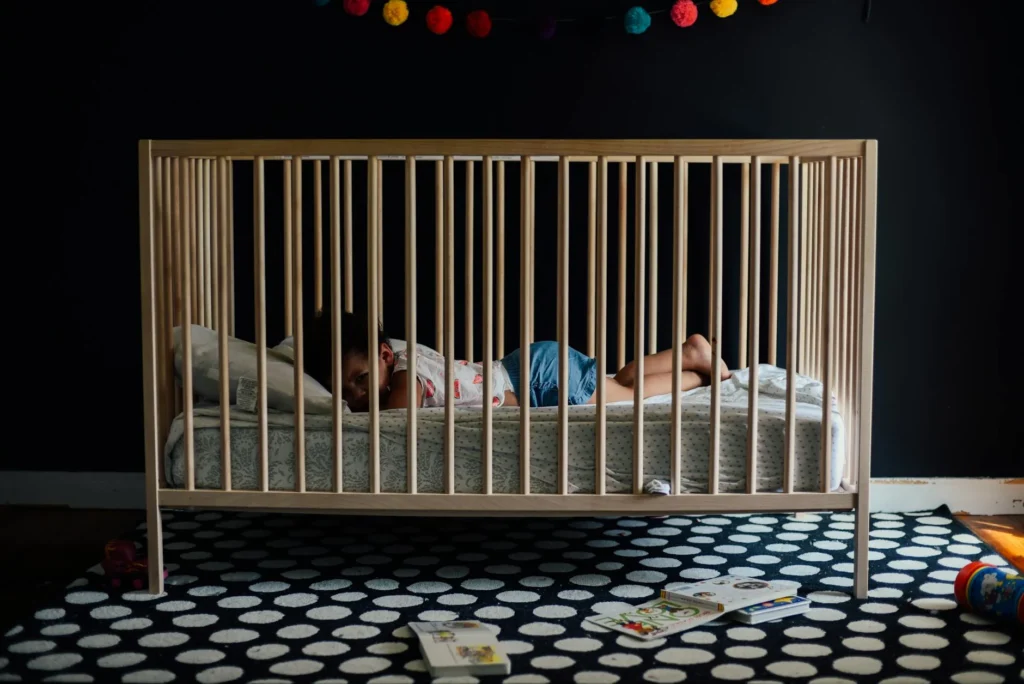
Consider your child’s sleep environment carefully. Can you make the room dark enough with portable blackout blinds or even just dark towels taped over windows? A portable sound machine can mask unfamiliar noises from hallways or outside, creating a consistent white noise haven. Flexibility is key, too. Sometimes a nap on the go is the best you can do, and that’s perfectly okay. Don’t let the pursuit of perfection overshadow the joy of your trip.
Common Mistakes to Avoid
One of the biggest pitfalls is thinking you can just skip naps altogether. While one skipped nap might be manageable, consistently missing naps leads to an overtired child, which often results in more frequent meltdowns and even harder nighttime sleep. Another common mistake is over-scheduling. Trying to pack too many activities into the day without considering your child’s need for rest can backfire. It’s also easy to ignore nap cues when you’re distracted by new surroundings. Watch for those sleepy signals – eye rubbing, yawning, fussiness – and act on them promptly.
Finally, avoid too much stimulation right before naptime. A quiet activity or a calm moment in the hotel room can help transition your child from sightseeing excitement to sleep mode. Pushing through exhaustion often makes it harder for children to fall asleep, creating a vicious cycle.
When to Talk to a Professional
While some sleep disruption on vacation is normal, if your child develops persistent and severe sleep issues that continue long after you’ve returned home, it’s a good idea to chat with your pediatrician. This includes extreme difficulty falling asleep, waking frequently through the night, or a dramatic change in their overall demeanor. These could be signs of underlying issues that a professional can help assess. Remember, this article provides general information and is not a substitute for personalized medical advice or intervention from a qualified healthcare provider.
Note: Totals vary by provider, region, and part quality.
Images sourced from Pexels.