
Choosing the right baby bottles and keeping them sparkling clean are key parts of caring for your little one. Whether you’re exclusively bottle-feeding, supplementing, or getting ready for childcare, understanding your options and maintaining proper hygiene is super important. Let’s explore how to select the best bottles and keep them safe for every feed.
Who It Helps

This guide is for any parent or caregiver using baby bottles. Maybe you’re feeding expressed breast milk, formula, or a combination. Perhaps you’re navigating options for specific feeding challenges, like reflux or colic. Or you simply want to ensure you’re following best practices for bottle hygiene. We’ve got you covered.
Selection Criteria: Finding the Right Bottle
With so many choices, picking bottles can feel overwhelming! Consider these factors:

Bottle Material
- Plastic: Lightweight, durable, and shatterproof. Always choose BPA-free plastic. Over time, plastic can scratch or discolor, signaling it’s time for replacement.
- Glass: Durable, doesn’t absorb odors or flavors, and can be recycled. Heavier and can break, though many come with silicone sleeves for protection.
- Silicone: Flexible, squeezable, and lightweight. Resists heat well and is often shatterproof.
Nipple Flow & Shape
Nipple flow rates (slow, medium, fast) are usually age-based. Newborns typically need a slow flow to prevent them from gulping. Watch for cues that the flow isn’t right – if your baby struggles or gets frustrated, or gulps a lot, it might be too fast or too slow. Nipple shapes can vary, designed to mimic the breast or offer specific features for different feeding styles.
Bottle Shape & Size
Consider bottles that are easy for you (and eventually your baby) to hold. Wide-neck bottles are generally easier to clean and fill. Smaller sizes are great for newborns, while larger bottles can accommodate bigger appetites as your baby grows.
Special Features
Many bottles offer unique features like anti-colic vents (designed to reduce air intake), angled designs, or disposable liners. Think about your baby’s needs and your lifestyle when considering these extras.
Safety Checklist for Baby Bottles
Beyond choosing the right bottle, ongoing safety is crucial:
- Always ensure all bottle components (bottle, nipple, ring, cap) are clean and free from damage like cracks, tears, or discoloration before each use.
- Confirm bottles are made from BPA-free materials.
- Double-check that nipples are securely attached to the rings to prevent detachment during feeding.
- Never microwave breast milk or formula. Microwaves can create ‘hot spots’ that can scald your baby’s mouth, even if the bottle feels cool to the touch. Warm bottles in a bowl of warm water or a bottle warmer instead.
- Always check the temperature of the milk or formula on the inside of your wrist before offering it to your baby. It should feel lukewarm, not hot.
Care & Cleaning Routine: Keeping Bottles Hygienic
A thorough cleaning routine helps prevent the growth of harmful bacteria. Here’s how:
Immediately After Each Use
Rinse bottles, nipples, and caps with cold water. This helps remove milk residue before it dries and becomes harder to clean.
Daily Washing
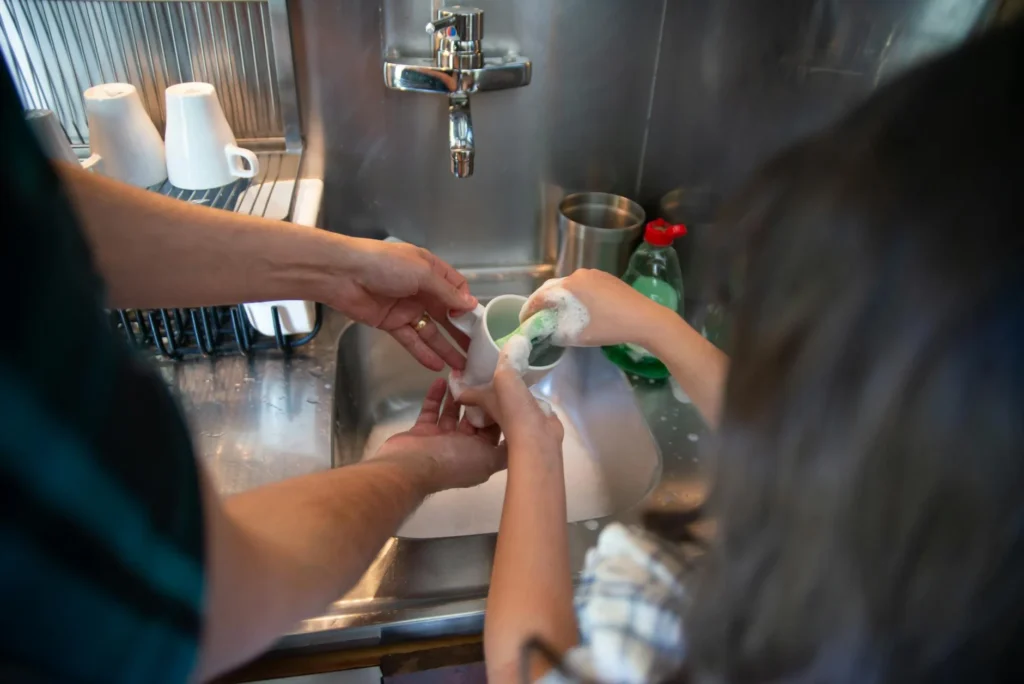
Disassemble all bottle parts. Wash them by hand using warm, soapy water and a dedicated bottle brush. Make sure to scrub all surfaces, including inside the nipple. Rinse thoroughly under running water. Alternatively, many bottles and parts are dishwasher safe. Place them on the top rack or in a small parts basket if possible. Always check manufacturer instructions for dishwasher compatibility.
Sterilization (Optional, but Recommended for Newborns)
For newborns and infants, especially those with weakened immune systems, sterilization provides an extra layer of protection. This step kills germs that regular washing might miss. As babies get older and their immune systems develop, sterilization may become less critical, but always consult with your pediatrician for personalized advice.
- Boiling: Submerge clean bottles and parts in a pot of boiling water for at least five minutes, ensuring they are fully covered.
- Steam Sterilizers: Electric or microwave steam sterilizers use high heat to sanitize bottles quickly.
- UV Sterilizers: These use ultraviolet light to kill germs without heat or water.
- Cold Water Sterilization: Using special sterilizing tablets or fluid with cold water, which is a good option for travel.
General Information: The information provided here about bottle cleaning and sterilization is for general guidance only and is not a substitute for professional medical advice. Always follow the manufacturer’s instructions for your specific bottles and cleaning products. If you have concerns about your baby’s health or feeding, please consult with a healthcare professional.
Drying & Storage
After washing and sterilizing, allow bottles and parts to air dry completely on a clean drying rack or clean paper towel. Avoid using cloth towels, which can transfer germs. Once dry, store assembled bottles in a clean, covered area away from dust and pests.

Frequently Asked Questions
How often should I replace bottle nipples?
It’s a good idea to inspect nipples regularly. Replace them immediately if you notice any signs of wear and tear, such as discoloration, stickiness, swelling, or cracks. Many manufacturers suggest replacing nipples every 1-2 months, regardless of visible damage.
Do I *have* to sterilize bottles every time?
For healthy, full-term infants, daily sterilization is often recommended for the first few months. As your baby gets older and their immune system matures, rigorous sterilization may become less necessary, and thorough washing with hot soapy water might suffice. However, it’s always best to discuss this with your pediatrician or healthcare provider for guidance specific to your baby’s health and age.
Can I put baby bottles in the dishwasher?
Many baby bottles and their components are dishwasher safe. Always check the manufacturer’s instructions for your specific bottles. Using the top rack and a hot wash cycle is typically recommended.
Note: Totals vary by provider, region, and part quality.
Images sourced from Pexels.