
Why Sharing and Turn-Taking Matter Now
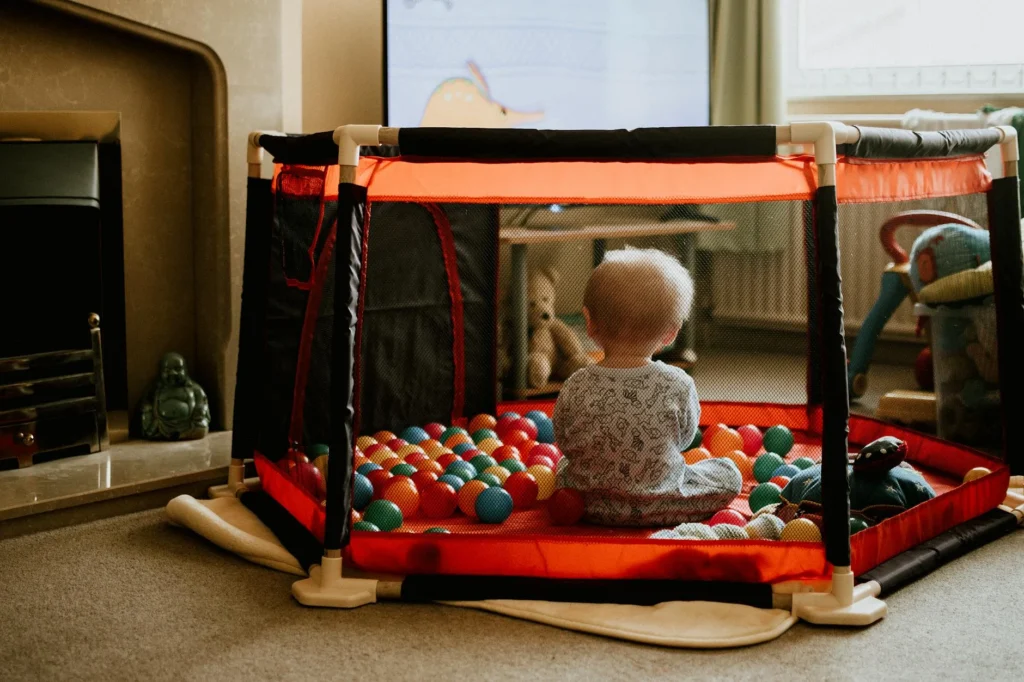
At 29 months, your toddler is a whirlwind of discovery, learning so much about their world and how they fit into it. Developing skills like sharing and turn-taking are crucial steps in their social and emotional growth. These aren’t just about playing nicely; they’re foundational for empathy, cooperation, problem-solving, and building friendships later on.
It’s important to remember that true sharing and turn-taking are complex concepts for toddlers. Their world is often centered around their own desires. Expecting perfection will only lead to frustration for everyone. Instead, think of this stage as laying the groundwork, practicing, and celebrating small steps.

Simple Games for Sharing
Sharing doesn’t always mean giving up a cherished item. It can be about enjoying something together or taking turns with a shared resource.

Passing a Ball
A classic for a reason! Sit opposite your toddler and gently roll a soft ball back and forth. Narrate the action: “My turn to roll!” then “Your turn to roll!” Clap and cheer when they send it back to you. This simple interaction teaches the rhythm of give and take.
Sharing Blocks or Toys
Instead of demanding they give up a toy, try playing *with* them. “Can I have a red block?” or “Let’s build a tall tower together. You put a block, then I’ll put a block.” This models cooperation and shows them how sharing can enhance play.

Sharing Snack Time
While ensuring safety with food, make snack time an opportunity for sharing. Offer small portions of something you both enjoy. “Here’s a piece for you, and here’s a piece for me.” You can even let them offer you a piece from their plate, reinforcing the concept.
Sharing Books
During story time, take turns pointing at pictures, turning pages, or making animal sounds. “My turn to find the doggy, your turn to find the cat!” This makes reading an interactive, shared experience.
Fun Games for Turn-Taking
Turn-taking helps toddlers understand sequence, patience, and the joy of anticipation.
Roll the Dice (Simple Version)
Use a large, soft foam die. “My turn to roll!” Roll it, then hand it to your toddler. “Your turn to roll!” Keep it light and fun, focusing on the action of rolling, not necessarily the numbers yet.
Action Games
Play simple ‘follow the leader’ or ‘Simon Says’ style games. “My turn to jump! Now your turn to jump!” or “Simon says clap your hands!” Then switch roles. This is fantastic for gross motor skills and understanding sequential actions.
Puzzle Piece Exchange
If you’re doing a simple peg puzzle, hold a few pieces and ask, “Which piece do you want?” Hand it over. Once they place it, you take a turn handing them another. For older toddlers at this age, you could even ask them to hand you a specific piece. “Can you give me the blue piece?”
Pretend Play Scenarios
Engage in simple pretend play where you take turns being different characters or doing different actions. “My turn to feed the baby doll, your turn to rock the baby doll.” Or, “I’ll be the car, you be the train!”
Tips for Parents: Nurturing These Skills
- Model Behavior: Let your toddler see you share with others and take turns. Say things like, “I’m sharing my cookie with Daddy,” or “It’s Daddy’s turn to read the newspaper.”
- Use Clear Language: Consistently use phrases like “my turn,” “your turn,” and “we can share.”
- Praise Effort: Acknowledge and praise their attempts at sharing or taking turns, even if they’re not perfect. “You did such a good job waiting for your turn!”
- Keep it Short and Positive: Toddlers have short attention spans. Keep sharing and turn-taking activities brief and enjoyable. End before frustration sets in.
- Don’t Force It: Forcing a child to share can create negative associations. Instead, gently guide them and provide opportunities. Sometimes, a child needs to feel secure in their possession before they can consider sharing.
- Acknowledge Feelings: “I see you really want that toy right now. It’s hard to wait, isn’t it?” Acknowledging their feelings can help them regulate their emotions.
When to Seek Support
While every child develops at their own pace, and frustration with sharing is very common at this age, it’s always wise to discuss any significant developmental concerns with your child’s healthcare professional. If your toddler consistently avoids all social interaction, shows extreme distress when asked to share or wait, or seems to struggle with understanding basic social cues, these might be general red flags. Your pediatrician can offer guidance and reassurance or suggest further evaluation if needed.
Disclaimer: This article provides general information and is not a substitute for professional medical advice, diagnosis, or treatment. Always seek the advice of your physician or other qualified health provider with any questions you may have regarding a medical condition.
Note: Totals vary by provider, region, and part quality.
Images sourced from Pexels.