
Your Little Explorer at 39 Weeks
At 39 weeks, your baby is likely a whirlwind of activity! This age, nearing ten months, often brings significant milestones. You might be seeing more confident crawling, pulling up to stand, cruising along furniture, and perhaps even those first wobbly steps. Their curiosity is boundless, and they’re eager to investigate every nook and cranny. This growing independence makes it the perfect time to think about creating a dedicated, safe play corner.
Please remember, this information is for general guidance only and is not a substitute for professional medical advice. Every baby develops at their own pace. If you have any concerns about your baby’s development or health, always consult with a healthcare professional.

Why a Safe Play Corner is a Game-Changer
A designated safe play corner isn’t just about giving your little one a space to explore; it’s about fostering their independence, encouraging self-directed play, and giving you a bit of peace of mind. Knowing they’re in a secure, baby-proofed zone means you can supervise safely while they engage with their surroundings, helping them build confidence and develop crucial motor and cognitive skills.
Setting Up Your Baby’s Safe Haven
Location, Location, Location
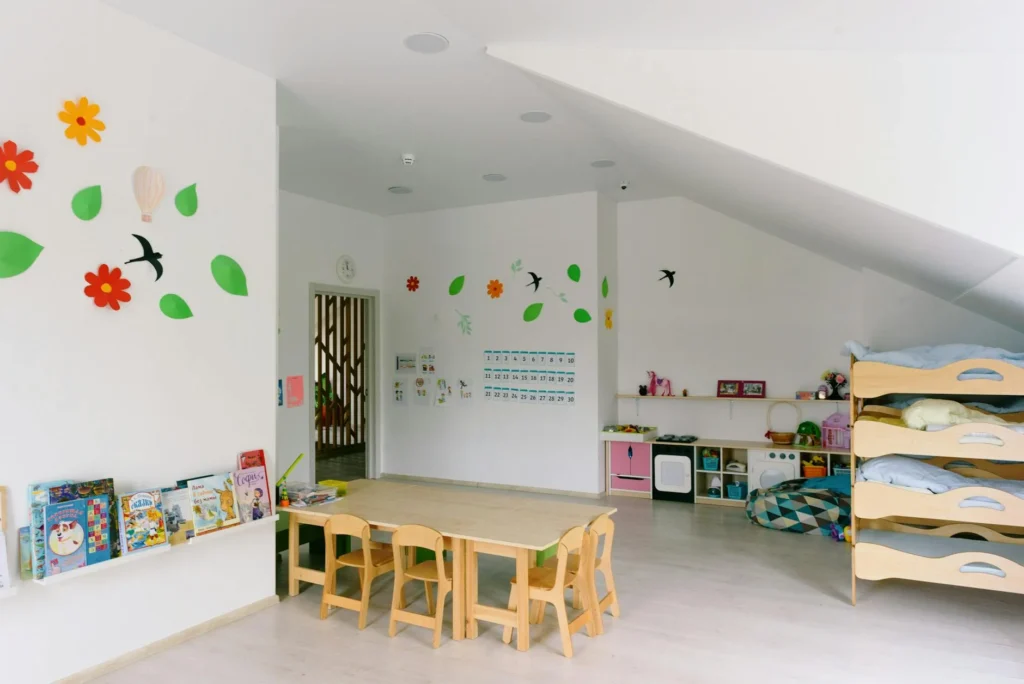
Choose a spot that’s easily visible from where you spend most of your time. This could be a corner of the living room, a section of their nursery, or even a dedicated playpen area. The goal is to keep them close, yet allow them their own space.
Essential Baby-Proofing Checklist
Before any toys come out, thorough baby-proofing is key. Consider:
- Outlets: Install tamper-resistant outlet covers or safety plugs on all accessible outlets.
- Cords: Secure all blind cords, power cords, and phone chargers out of reach. Dangling cords are a serious strangulation hazard.
- Furniture: Anchor any heavy or tall furniture (dressers, bookshelves, TVs) to the wall. Babies love to pull up and climb.
- Sharp Edges: Pad sharp corners on tables and furniture.
- Small Objects: Get down on your hands and knees and scan the area for anything tiny that could be a choking hazard – coins, buttons, small toy parts, pet food, dropped earrings. If it fits through a toilet paper roll, it’s too small.
- Toxic Items: Ensure cleaning supplies, medications, plants, and any other hazardous materials are locked away or completely out of reach.
- Gates: Use baby gates to block off stairs, kitchens, bathrooms, or other unsafe areas.
The Right Play Surface and Boundaries
A soft, clean surface is ideal for your baby’s play corner. Think interlocking foam mats, a thick rug, or a soft blanket. If you’re creating a defined zone within a larger room, a sturdy playpen or a system of baby gates can provide clear boundaries, allowing your baby to move freely within a contained, safe area.
Selecting Age-Appropriate Toys
Now for the fun part! Fill the space with toys that encourage development and are safe for a 39-week-old:
- Stacking and Nesting Toys: Blocks, stacking cups, and rings help with fine motor skills and problem-solving.
- Board Books: Introduce a variety of textures and bright pictures. Reading together is always wonderful!
- Push and Pull Toys: As they start cruising or taking first steps, these can be great for gross motor development.
- Sensory Toys: Soft balls, fabric books, or simple musical instruments (like shakers) engage their senses.
- Safety First: Always choose toys that are non-toxic, free of small parts (choking hazards!), and durable enough to withstand chewing and active play. Regularly inspect toys for wear and tear.
Encouraging Independent Exploration
Once your play corner is set up, let your baby explore! You don’t need to fill the space with every toy they own. Rotating a few items at a time can keep their interest high and prevent overstimulation. Join them in play, talk about what they’re doing, and celebrate their discoveries. This balance of independent exploration and responsive interaction is fantastic for their development.
When to Seek Professional Advice
While this information provides general guidance, it’s important to be aware of your baby’s individual development. If you have any significant concerns about your 39-week-old’s development – for example, if they don’t seem interested in exploring, aren’t bearing weight on their legs, or you have concerns about their vision or hearing – please reach out to your pediatrician or a healthcare professional. They can offer personalized advice and support. Remember, this article is for general informational purposes only and does not constitute medical advice.

Frequently Asked Questions
Q: How often should I supervise my baby in the play corner?
A: Always. Even in a perfectly baby-proofed space, active supervision is essential. Your baby needs your presence for safety and for enriching interactions.
Q: What are some common choking hazards for a 39-week-old that might be overlooked?
A: Besides small toy parts, be mindful of button batteries (extremely dangerous if ingested), pet food, coins, pen caps, deflated balloons, magnets, and even some smaller pieces of food if your baby is eating solids. The general rule is: if it can fit entirely into a toilet paper roll, it’s a choking hazard for babies under three.
Note: Totals vary by provider, region, and part quality.
Images sourced from Pexels.