
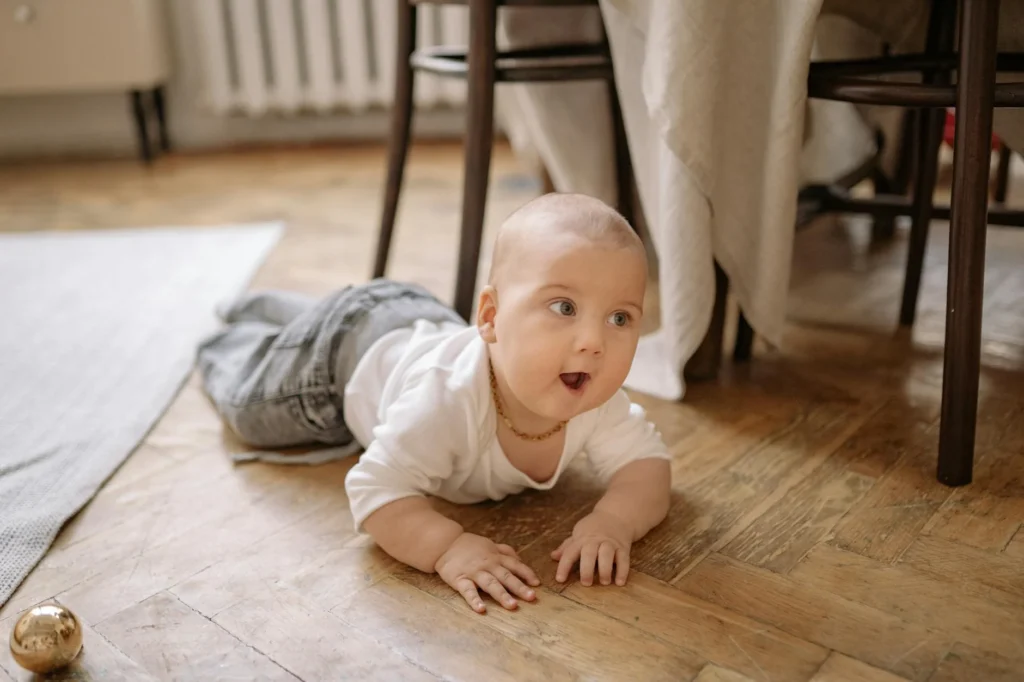
Life with a baby who is almost 10 months old is a whirlwind! Your little one is likely on the move—crawling, pulling up, maybe even cruising. They’re exploring everything, babbling, and showing a budding personality. This active stage means you’re often on the go, whether it’s for a quick errand, a playdate, or just a stroll in the park. And for all these adventures, a bulky, overstuffed diaper bag can feel like an extra burden. It’s time to lighten the load!
Why Go Minimal?
Imagine effortlessly grabbing your bag and heading out the door, unencumbered by a heavy tote. A minimal diaper bag isn’t just about reducing weight; it’s about efficiency and reducing stress. Less stuff means less to rummage through, less to forget, and fewer things to clean up when you get home. It allows you to be more agile, keeping up with your increasingly mobile little explorer.
Your Essential Minimal Diaper Bag Checklist
When packing light, every item needs to earn its spot. Here’s a list of what truly matters for most short outings:
- Diapering Essentials: Bring 2-3 diapers (more if you anticipate a longer outing), a travel pack of wipes, and a small, foldable changing pad. A small wet/dry bag is handy for soiled clothes or diapers until you find a trash can.
- Feeding On-the-Go: Your 42-week-old is likely eating solids. Pack one small, easily digestible snack like a fruit pouch, a handful of puffs, or some soft fruit pieces. A sippy cup with water is also a must. Remember: no honey for babies under one year, and avoid adding salt or sugar to baby foods.
- Comfort & Entertainment: One small, favorite toy or teether can work wonders for distraction. If your baby uses a pacifier or security blanket (lovey), make sure it’s packed.
- Change of Clothes: A single spare outfit (onesie or romper) is usually sufficient for unexpected spills or blowouts. Choose something compact.
- For You: Don’t forget your phone, wallet, and keys! A small hand sanitizer is also a good idea.
Tips for Keeping Your Bag Light & Organized
- Restock Regularly: As soon as you get home, take a moment to replenish used items. This prevents frantic last-minute packing.
- Use Smaller Containers: Instead of full-size products, opt for travel-sized wipes or decant essentials into smaller reusable containers.
- Personalize Your Pack: Consider the duration and destination of your outing. A trip to the grocery store requires less than an afternoon at a friend’s house.
- Wear the Baby: If you’re babywearing, you might find you need even less, as some items can be stored in pockets or a small hip pack.
When to Pack a Little Extra
Of course, there are times when a minimal bag just won’t cut it. For longer trips, visits to places without easy access to supplies, or if your baby isn’t feeling well, it’s wise to add more diapers, extra snacks, and any necessary medications (prescribed by a professional, of course). Adaptability is key!
Important Health Information
This information is for general guidance only and is not a substitute for professional medical advice. Always consult with your healthcare provider for any questions or concerns regarding your baby’s health and development.
When to Contact a Healthcare Professional
While most outings are smooth sailing, it’s always good to be aware of your baby’s general well-being. If you notice any significant changes in their behavior, such as persistent fever, unusual fussiness or lethargy, poor feeding, or signs of dehydration, it’s appropriate to contact your pediatrician. Trust your instincts—you know your baby best.
Note: Totals vary by provider, region, and part quality.
Images sourced from Pexels.